
Ferric (iron in the +3 oxidation state)
Ferric denotes iron in the +3 oxidation state (Fe3+). This article explains its chemistry, common compounds, uses, differences from ferrous iron, and safety and environmental notes.
Ferric is a chemical descriptor for iron that has lost three electrons and exists as the ion Fe3+. In inorganic chemistry the term distinguishes these species from ferrous iron (Fe2+). Ferric ions and their salts are widespread in nature and technology, often appearing as yellow, brown or reddish solids and solutions because of electronic transitions and hydrolysis.
Image gallery
2 Images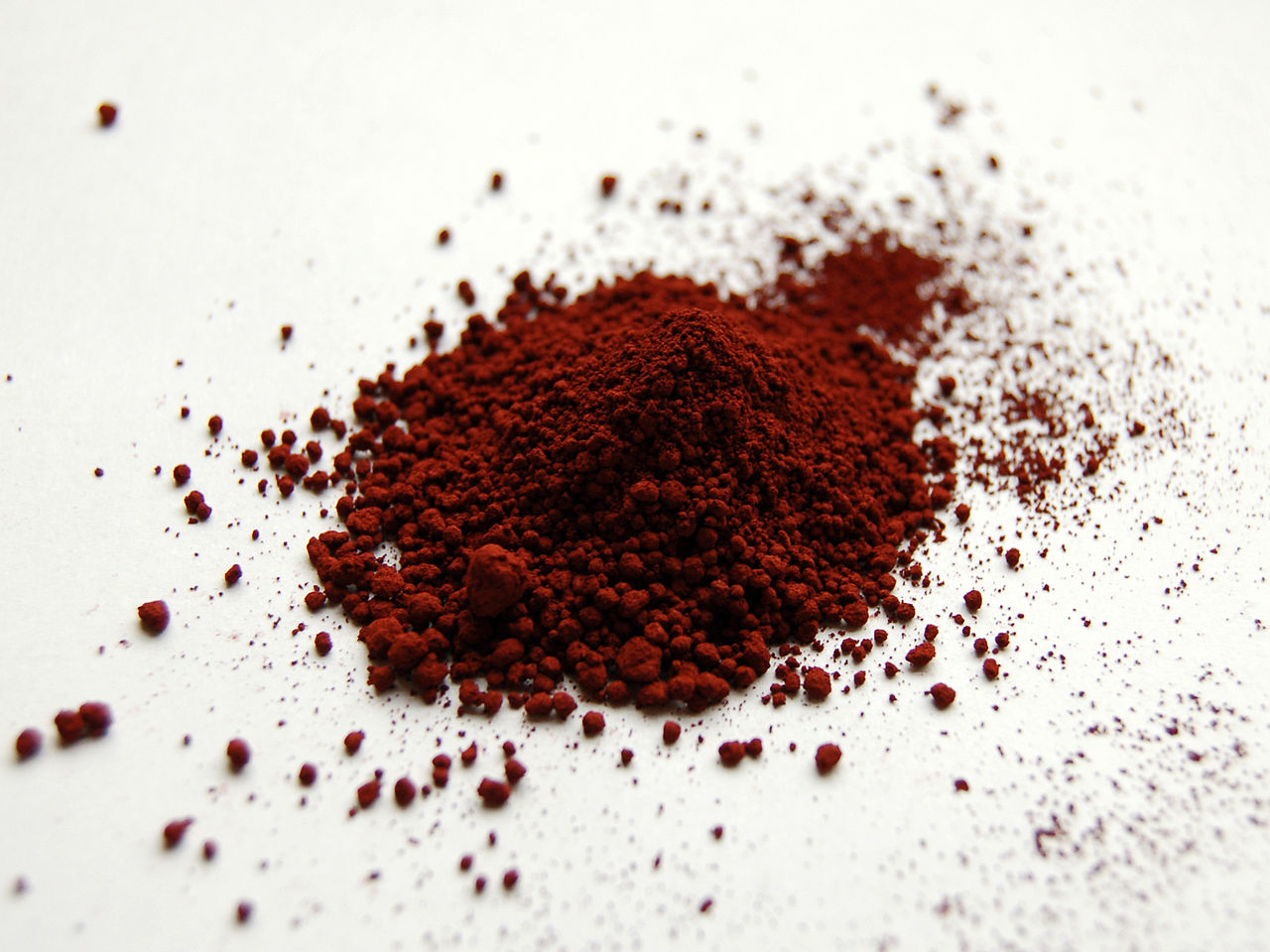

Chemical characteristics
Ferric compounds are an important class of chemical compounds containing iron in the +3 oxidation state. Fe3+ has a d5 electron count and readily forms coordination complexes with oxygen- and nitrogen-donor ligands. In neutral or alkaline water ferric ions hydrolyze and precipitate as iron(III) hydroxide, so many ferric salts are only stable in acidic solution. Ferric species commonly act as oxidizing agents, accepting an electron to be reduced to Fe2+.
Common compounds and examples
- Iron(III) oxide (Fe2O3) — a reddish-brown solid and a main component of rust (rust).
- Ferric chloride (FeCl3) and ferric sulfate — soluble salts used industrially.
- Complexes such as ferric cyanide or ferrioxalate used in analytical chemistry and photochemistry.
Historically, ferric oxides have been used as pigments (red ochres) and in metallurgy. Modern applications include water treatment flocculants, etchants in printed circuit production, catalysts and magnetic materials. In biology, ferric iron is transported and stored bound to proteins (for example transferrin and ferritin) rather than as free ions.
Distinguishing ferric from ferrous iron is essential because their solubilities, colors, reactivities and roles in biology differ. Handling ferric salts requires care: many are corrosive or strong oxidizers and can stain materials. For further reading on specific compounds and reactions consult specialized resources or material safety data sheets (compounds, iron).
For technical references and examples see additional links and databases: oxidation states, iron(III) oxide, rust, and industrial oxidizers oxidizing agents.
Related articles
Author
AlegsaOnline.com Ferric (iron in the +3 oxidation state) Leandro Alegsa
URL: https://en.alegsaonline.com/art/34085