
Fence — definition, types, history, uses and differences from walls
A fence is a constructed barrier—often wood or metal—used to mark boundaries, contain animals, provide privacy or security. This article explains parts, common materials, historical use, alternatives, and legal/maintenance notes.
Overview
A fence is a deliberately built barrier, typically lighter and less solid than a wall. It marks property lines, confines people or animals, provides privacy, and can add aesthetic character. Unlike a true wall, a fence normally does not rest on a continuous foundation and is often composed of discrete posts and panels.
Image gallery
10 Images


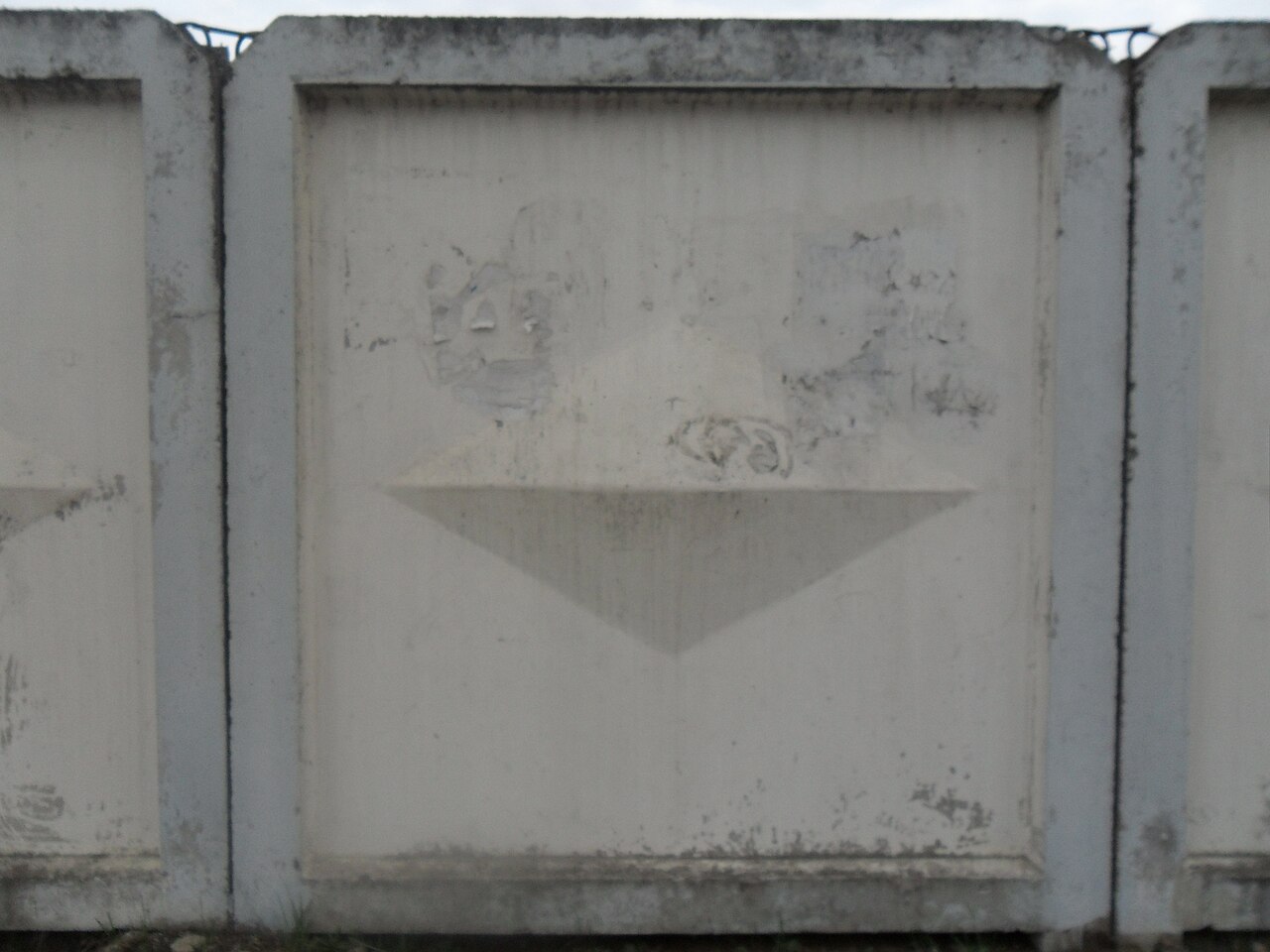

Materials and construction
Fences are made from many materials. Common choices include wood for traditional picket or post-and-rail fences, and metal such as steel or aluminium for durable, low-maintenance options. Vinyl, composite materials, and living hedges are also used. Typical construction relies on upright posts set in the ground with horizontal rails, panels or infill between them.
Parts and common styles
- Posts — vertical supports that anchor the fence.
- Rails — horizontal members connecting posts.
- Pickets or panels — the visible infill; slatted, solid or mesh.
- Gates — moveable sections for access.
Popular styles include picket, privacy, post-and-rail, stockade, palisade and chain-link, each suited to different needs for appearance, security and containment.
History and development
Fencing is ancient: simple barriers and enclosures have been used for millennia to protect crops, mark territory and keep animals. Over time materials and techniques evolved from woven branches and earth banks to sawn timber, wrought metal and modern synthetics. Cultural and agricultural practices shaped regional fence traditions.
Uses, advantages and examples
Fences serve practical and decorative roles. They keep livestock enclosed, create private yards, deter intruders, support climbing plants, and define landscape design. In urban and suburban settings fences control access and screen views; on farms they guide animal movement and protect fields. Maintenance needs and lifespan vary with material and exposure.
Distinctions, alternatives and notable points
A fence differs from a wall mainly by construction and permanence. Living alternatives include hedgerows or "living fences" that function as biodiversity habitats. Nonstructural options or historical defensive measures include ditches or channels filled with water, such as a moat. Fencing choices are often regulated by local rules concerning property lines, height limits and sightlines; homeowners should check ordinances and utility locations before installing a fence and may consult resources for gardens and outdoor design such as garden guides.
For practical information about materials and design, manufacturers and professional installers provide guidance and standards; technical or legal references can be found through trade groups and local authorities (see sources linked above for further reading).
Related articles
Author
AlegsaOnline.com Fence — definition, types, history, uses and differences from walls Leandro Alegsa
URL: https://en.alegsaonline.com/art/33965