
Federal Emergency Management Agency (FEMA): role, history, and functions
Overview of FEMA, its mission and legal basis, how federal disaster assistance is activated, organizational features, notable incidents, and key distinctions in emergency management.
The Federal Emergency Management Agency (FEMA) is the principal U.S. federal agency responsible for coordinating the nation’s response to major disasters and for supporting preparedness, mitigation, response and recovery efforts. Established by presidential reorganization in 1979, FEMA works with state, local, tribal and territorial partners to marshal federal resources when a disaster exceeds local capabilities. It is now part of the Department of Homeland Security: Department of Homeland Security.
Image gallery
10 Images




Core responsibilities
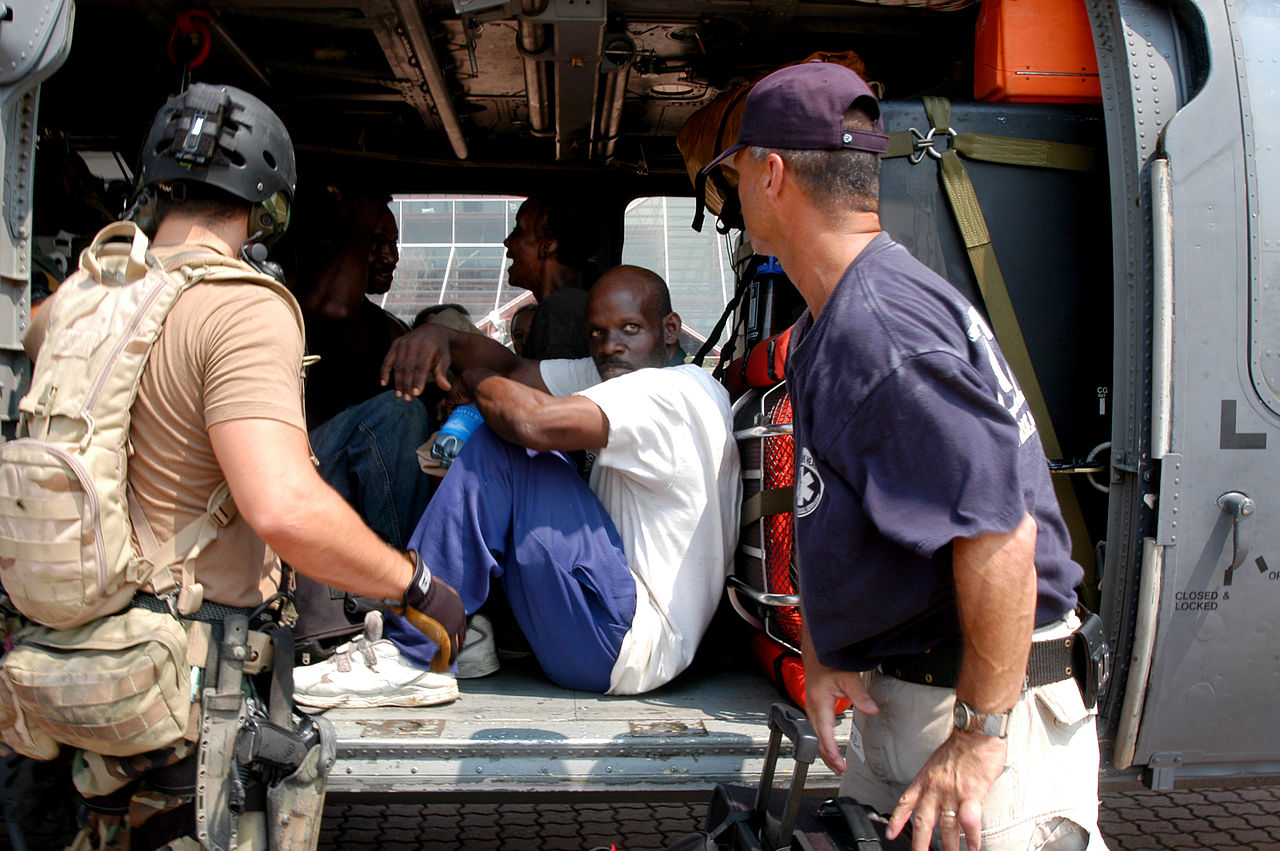
FEMA’s work spans several interrelated functions: planning and preparedness, hazard mitigation, immediate response operations, recovery and grant management, and public information. Its mission triggers when an incident overwhelms state and local resources and the state governor requests federal assistance. That formal request is made to the President and can activate programs under the Robert T. Stafford Disaster Relief and Emergency Assistance Act. FEMA coordinates federal assets and offers direct assistance, technical expertise, and financial grants to individuals and communities.
How federal assistance is activated
- Local and state authorities first respond to an incident; the governor may declare a state of emergency.
- The governor submits a request for a Presidential disaster declaration; the President (or his designee) decides whether to declare a major disaster.
- When the federal government responds, FEMA coordinates interagency support and distributes federal aid.
There is a notable exception: when an emergency occurs on federal property or involves a federal asset, the federal government may respond directly without a state request. Examples of incidents that involved federal response include the 1995 bombing of the Alfred P. Murrah Federal Building in Oklahoma City and the Space Shuttle Columbia accident; both prompted direct federal involvement and are frequently cited in discussions of jurisdiction and coordination: Murrah Building, Oklahoma City, 1995 bombing, Space Shuttle Columbia, 2003 disaster.
History and legal framework
FEMA was created by Executive Order on March 30, 1979, to bring together many preexisting disaster-related programs into a single federal agency. In the decades since, its authority and procedures have been shaped by federal statutes and Presidential directives, most notably the Stafford Act, which defines when and how federal disaster assistance is provided. After the terrorist attacks of 2001, FEMA became part of the newly formed Department of Homeland Security as part of a broader reorganization of federal emergency and homeland security functions: United States, federal government.
Organization and programs
FEMA is organized into national headquarters, regional offices, and specialized centers that focus on logistics, mapping, grants, and disaster survivor assistance. Its programs include disaster declaration support, individual assistance and public assistance grants, hazard mitigation grants to reduce future losses, and training for emergency managers and first responders. FEMA also runs preparedness campaigns and maintains stockpiles and logistical capabilities to support large-scale operations.
Notable roles and limitations
FEMA’s work is essential during hurricanes, floods, wildfires, earthquakes, and other disasters. High-profile responses—both successful and criticized—have shaped public perceptions and policy reforms. The agency’s ability to respond effectively depends on advance planning, clear requests from state authorities, and interagency cooperation; it generally does not replace state or local responsibilities but supplements them. For more background on the administrative and political context of federal assistance, see discussions linked here: disaster policy, state and local roles, Presidential authority.
Understanding FEMA means recognizing it as a coordinating and funding body: it organizes federal help, provides technical and financial resources, and supports communities before, during and after disasters while respecting legal lines of authority. Researchers, emergency managers and the public can consult official materials and regional offices for guidance on preparedness, recovery grants and how to request federal assistance.
Related articles
Author
AlegsaOnline.com Federal Emergency Management Agency (FEMA): role, history, and functions Leandro Alegsa
URL: https://en.alegsaonline.com/art/33837
Sources
- fema.gov : FEMA's FY 2008 Budget Request
- newsmax.com : NewsMax-2827