
Federal Emergency Relief Administration
New Deal agency created in 1933 to provide federal funds for immediate relief and work projects; administered grants and employment programs until replaced by the WPA in 1935.
Overview
The Federal Emergency Relief Administration (FERA) was a New Deal agency established in 1933 to provide rapid federal assistance during the Great Depression. Created under the Federal Emergency Relief Act and launched by President Franklin D. Roosevelt, FERA's purpose was to channel federal money to states and localities for direct relief and short-term work programs that would relieve widespread unemployment and poverty.
Image gallery
5 Images



Organization and leadership
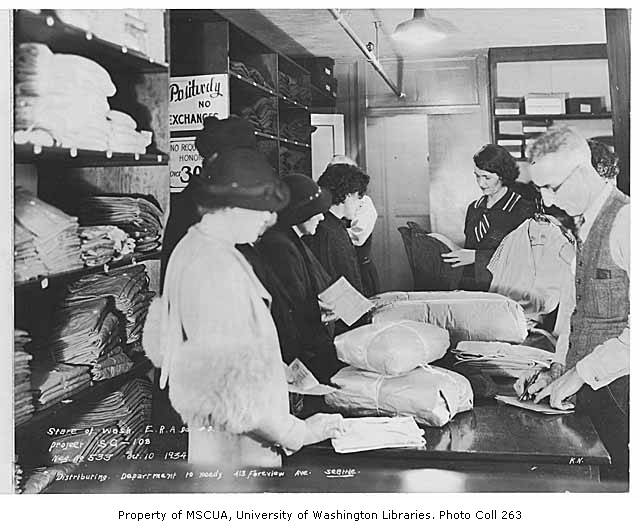
FERA operated as a grants-in-aid program: the federal government awarded funds to state and municipal relief agencies, which then distributed aid or organized employment projects. The agency was directed by social worker Harry L. Hopkins, who emphasized speedy distribution, coordination with local authorities, and a mix of direct cash assistance and work relief. In many communities FERA also funded public health efforts, school lunch programs, and services for the unemployed.
Programs and activities
FERA supported a range of activities designed to meet immediate needs and create temporary jobs. Typical interventions included:
- Direct cash relief to families unable to meet basic needs.
- Work-relief projects creating unskilled jobs repairing schools, roads, parks and public buildings.
- Education and vocational programs to assist adults and displaced workers.
- Support for state welfare agencies and emergency shelters.
Scale, impact and transition
Between its founding in 1933 and its replacement in 1935, FERA distributed several billion dollars in aid to states and cities. Those funds helped millions receive food, clothing, and short-term employment; contemporary accounts and later reviews credit FERA with easing the immediate suffering of the Depression and laying administrative groundwork for larger New Deal relief efforts. In 1935 FERA's functions were largely superseded by larger, federally run programs such as the Works Progress Administration, which emphasized broader public-works employment.
Legacy and notable points
FERA is remembered for its rapid mobilization of federal resources at a time of crisis and for its pragmatic mix of relief and work. It illustrated debates that continued through the New Deal era—how much control should be exercised by Washington versus state and local governments, and how to balance direct aid with employment programs. Many of the projects and administrative practices developed under FERA informed later, longer-running relief and employment agencies.
Questions and answers
Q: What was the Federal Emergency Relief Administration (FERA)?
A: The Federal Emergency Relief Administration (FERA) was an organization created by the Roosevelt Administration in 1933 that was tasked with providing emergency relief during the Great Depression.
Q: What was the Emergency Relief Administration (ERA)?
A: The Emergency Relief Administration (ERA) was an organization that was renamed to the Federal Emergency Relief Administration (FERA) by the Roosevelt Administration.
Q: When was FERA created?
A: FERA was created in 1933 by President Franklin Delano Roosevelt.
Q: How was FERA created?
A: FERA was created from the Federal Emergency Relief Act.
Q: What replaced FERA?
A: FERA was replaced by the Works Progress Administration (WPA) in 1935.
Q: How much money did FERA give to states and cities?
A: From May 1933 until December 1935, FERA gave states and cities $3.1 billion (the equivalent of $55.4 billion in 2017).
Q: How many people did FERA provide work for?
A: FERA provided work for over 20 million people and developed facilities on public lands across the country.
Related articles
Author
AlegsaOnline.com Federal Emergency Relief Administration Leandro Alegsa
URL: https://en.alegsaonline.com/art/33838
Sources
- webtexts.com : webtexts.com/signin?status=session-missing