
Oklahoma City bombing (April 19, 1995)
A domestic terrorist truck bombing of the Alfred P. Murrah Federal Building in Oklahoma City that killed 168 people and injured hundreds; perpetrators included Timothy McVeigh and Terry Nichols.
Overview
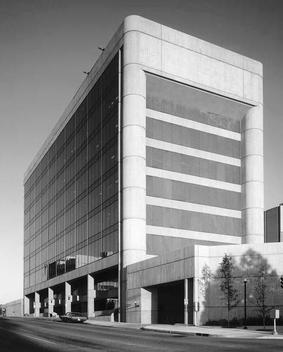
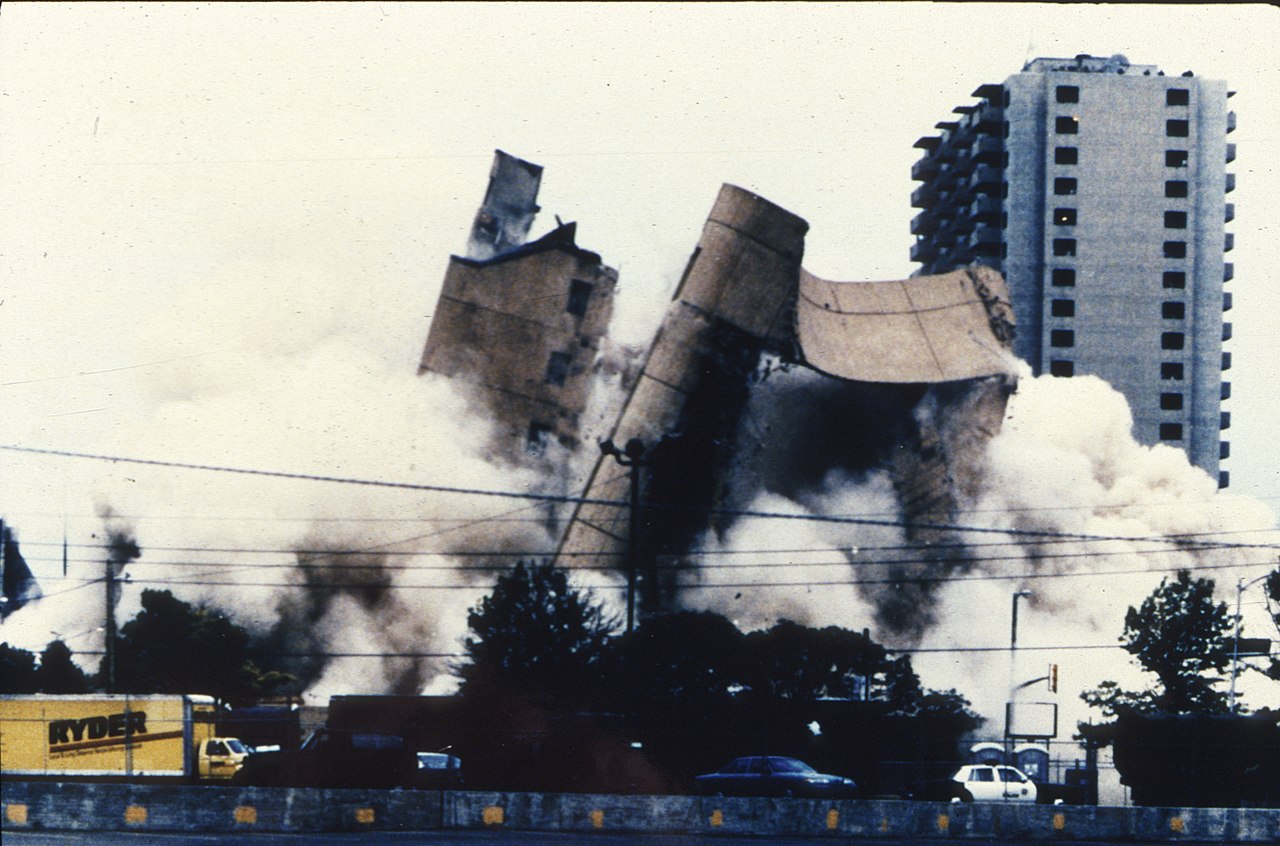
The Oklahoma City bombing was a domestic terrorist attack carried out on April 19, 1995, against the U.S. government presence located in the Alfred P. Murrah Federal Building in Oklahoma City, Oklahoma, United States. A large truck-borne explosion shattered much of the building’s facade and interior, destroying offices, shattering windows in surrounding blocks, and causing widespread structural damage. The scale of the blast required the building to be demolished after recovery operations were completed.
Image gallery
10 Images





Attack and casualties
The device, constructed from a mixture of fertilizer and fuel oil and concealed in a rented truck, detonated on a weekday morning. The explosion killed 168 people, including 19 children who were attending an on-site daycare, and injured hundreds of others. The human toll and the attack’s deliberate targeting of a federal facility made it one of the deadliest acts of domestic terrorism on American soil until the September 11 attacks.
Perpetrators and motives
Federal investigations identified Timothy McVeigh and Terry Nichols as the principal perpetrators. McVeigh, a Gulf War veteran, and Nichols were motivated by extremist anti-government views and cited earlier confrontations between federal agents and civilians—most prominently the Waco siege and Ruby Ridge—as catalysts for their actions. McVeigh was convicted in a federal trial and executed in 2001; Nichols received multiple life sentences for his role in planning and assisting the attack.
Aftermath, trials and memorial
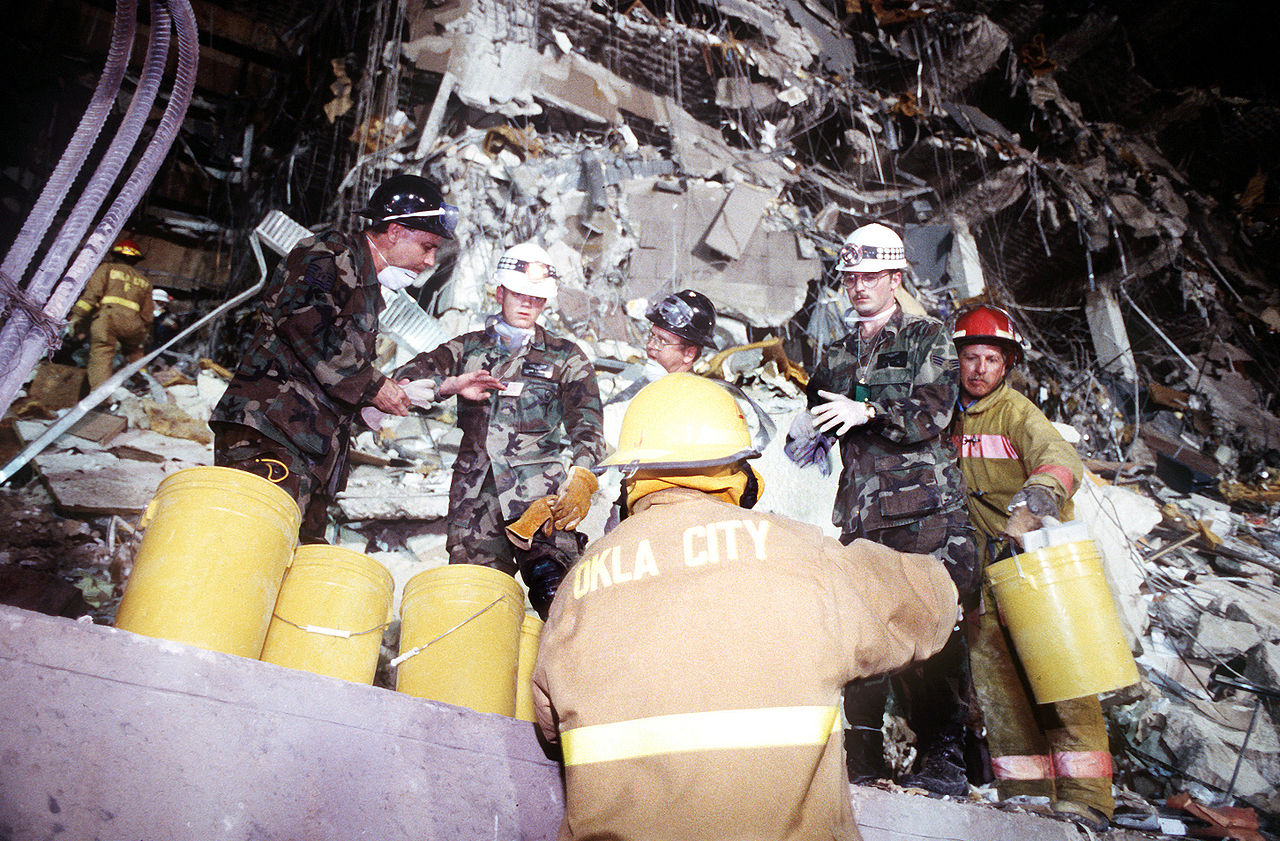
Rescue and recovery efforts continued for days amid hazardous conditions as investigators sorted debris to identify victims and collect evidence. The damaged structure was eventually razed; recovery work and legal proceedings drew national attention. In the years following the attack the Oklahoma City National Memorial was constructed on the site and includes a Reflecting Pool and the Field of Empty Chairs to honor each life lost. Annual remembrance ceremonies and educational programs commemorate the victims and first responders.
Impact and legacy
The bombing changed public awareness of domestic extremist threats and influenced federal policy on building security, emergency response, and anti-terrorism enforcement. It remains central in discussions about homegrown violent extremism, the prevention of mass-casualty attacks, and victim support. The event also led to legislative and procedural reviews intended to improve interagency coordination during major incidents.
Key facts
- Date: April 19, 1995.
- Location: Alfred P. Murrah Federal Building, Oklahoma City, Oklahoma.
- Known perpetrators: Timothy McVeigh and Terry Nichols.
- Context: attack targeted the U.S. government presence and occurred in a period of heightened anti-government sentiment in the country.
- Historical note: at the time it was the deadliest domestic terrorist incident in the United States until the September 11 attacks.
Related articles
Author
AlegsaOnline.com Oklahoma City bombing (April 19, 1995) Leandro Alegsa
URL: https://en.alegsaonline.com/art/72218