
United States Department of Homeland Security
The U.S. Department of Homeland Security (DHS) is a Cabinet-level agency formed after 9/11 to coordinate federal measures for terrorism prevention, border security, immigration enforcement, cybersecurity and disaster response.
The United States Department of Homeland Security (DHS) is a federal executive department created to coordinate national efforts to protect the country from threats and to respond to emergencies. Established in the early 2000s, DHS is organized as a Cabinet department within the broader framework of the U.S. federal government. Its responsibilities span prevention, protection, mitigation and recovery across a range of hazards.
DHS’s mission covers preventing and responding to terrorist acts, managing and securing national borders, enforcing immigration laws, and preparing for and assisting with natural disasters. The department also works on critical infrastructure protection, transportation security, and cybersecurity, seeking to reduce vulnerabilities and coordinate information sharing among federal, state, local and private-sector partners.
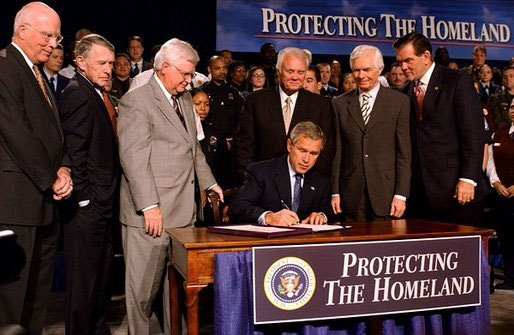
History: DHS was created by the Homeland Security Act of 2002 in the aftermath of the September 11, 2001 attacks. Those events, often referenced as the September 11 attacks, prompted a broad reorganization of federal agencies. The department began operations in 2003 and its first leader was Tom Ridge. At the time, the formation of DHS represented one of the most significant postwar reorganizations of the federal government.
Image gallery
10 Images





Organization and major components
- Transportation Security Administration (TSA) — aviation and surface transportation screening.
- Federal Emergency Management Agency (FEMA) — disaster preparedness and response.
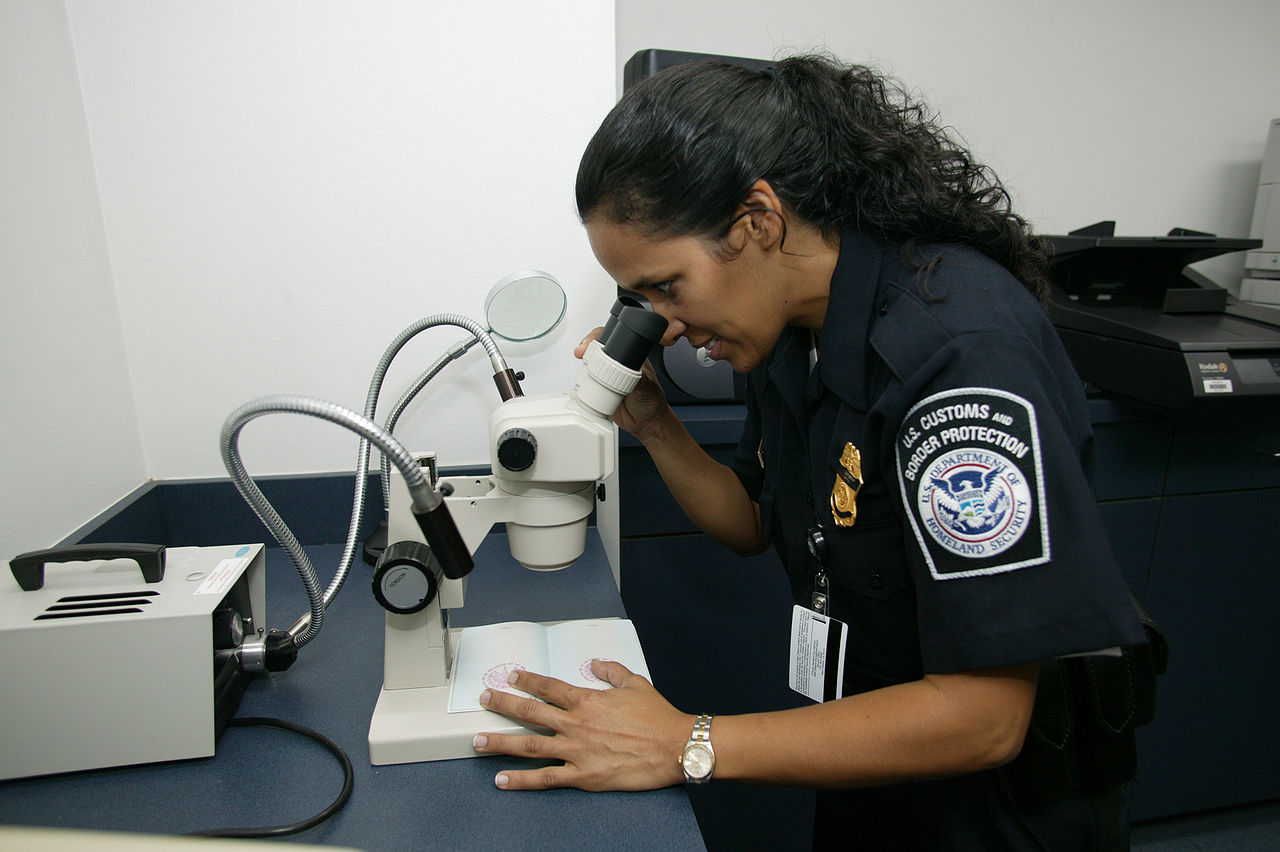
- U.S. Customs and Border Protection (CBP) — border enforcement and trade facilitation.
- Immigration and Customs Enforcement (ICE) and U.S. Citizenship and Immigration Services (USCIS) — immigration enforcement and benefits.
- U.S. Coast Guard — a uniformed service that operates under DHS in peacetime while able to transfer to the Navy in wartime or by presidential order.
DHS also contains directorates and offices focused on intelligence integration, science and technology research, private sector engagement, and civil rights oversight. Its structure brings together components that were formerly scattered across multiple departments to improve coordination and information flow.
Roles, examples and challenges
In practice, DHS coordinates counterterrorism efforts, secures borders and travel systems, supports disaster relief (for example through FEMA), and leads federal cybersecurity initiatives. The department frequently works with state and local authorities during hurricanes, floods and other emergencies and partners with international agencies on transnational threats.
Controversies and trade-offs have accompanied DHS’s evolution, including debates about civil liberties, immigration policy, and the balance between security and privacy. Operational challenges such as interagency coordination, resource allocation, and adapting to new threats (like cyberattacks) remain central to discussions about the department’s future.
For further reading, official descriptions and component overviews are available through government information channels and public reports that explain DHS’s ongoing roles and reforms in homeland security policy.
Related articles
Author
AlegsaOnline.com United States Department of Homeland Security Leandro Alegsa
URL: https://en.alegsaonline.com/art/103033
Sources
- dhs.gov : "Secretary of Homeland Security"
- dhs.gov : "Budget In Brief: Fiscal Year 2017"
- pbs.org : "The Online NewsHour: Domestic Security | The Homeland Security Act | PBS"