
Fettuccine Alfredo: history, ingredients, and modern variations
Fettuccine Alfredo is a simple Italian pasta dish of fettuccine, butter and Parmesan. This article covers its origin, traditional technique, variations (including the cream-based U.S. version) and cultural impact.
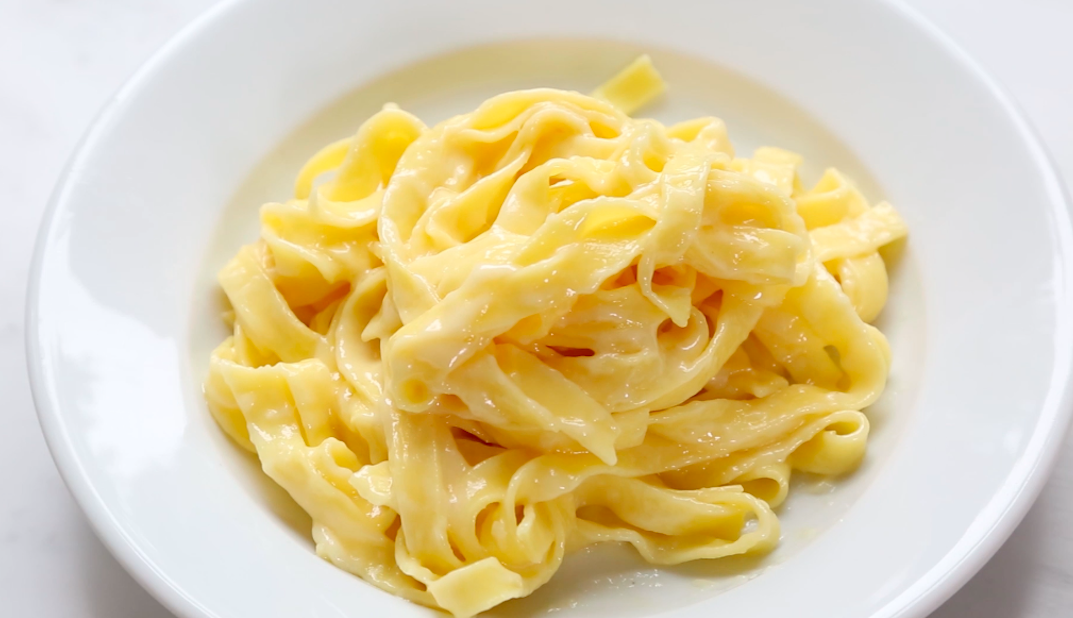
Fettuccine Alfredo is a pasta dish built from a few fundamental components: freshly cooked fettuccine noodles, high-quality butter and finely grated Parmesan cheese. In its original Italian form the name is often rendered as fettuccine al burro, literally "fettuccine with butter." The classic result is a glossy, coating sauce produced by emulsifying cheese and butter with starchy cooking water rather than by adding cream.
Image gallery
6 Images



Ingredients and technique
The essential ingredients are straightforward: long flat egg pasta (fettuccine), unsalted butter, and aged hard sheep or cow's milk cheese such as Parmigiano-Reggiano. Typical supplementary elements in contemporary kitchens include freshly cracked black pepper and a small amount of pasta cooking water. The technique emphasizes heat control and timing: after draining, very hot pasta is tossed with butter and a generous quantity of finely grated cheese, while a spoonful or two of the starchy cooking water is mixed in to form a smooth, clingy sauce. Many home cooks consult general pasta guides such as pasta references when mastering this step.
History and origin
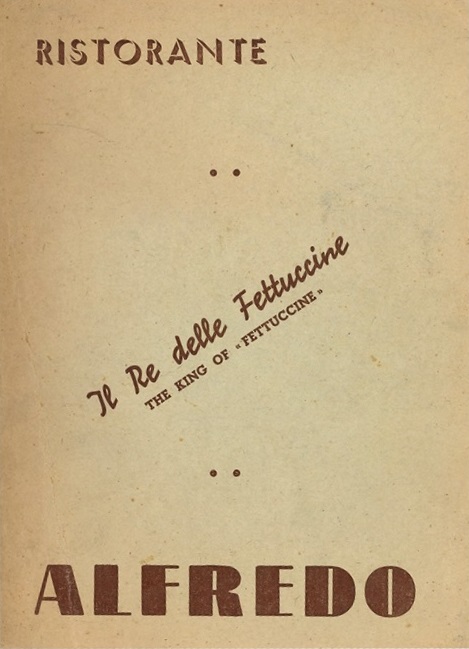
The dish became widely associated with Roman restaurateur Alfredo Di Lelio, who is credited with popularizing a rich version of the simple butter-and-cheese preparation in the early 20th century. According to family accounts, he modified the dish to help his pregnant wife eat more easily and later served his preparation at a restaurant in Rome; his name then became linked with the recipe. His establishments and family successors continue to serve the dish in Rome and are often mentioned in historical accounts of the recipe. For those interested in the role of specific ingredients, see background on cheeses such as Parmesan and the culinary use of butter.
Variations and international adaptation
Outside Italy, especially in the United States, the dish evolved into a heavier, cream-based sauce sometimes called "Alfredo sauce"—a mixture of cream, butter, and cheese that produces a thicker, more stable cream sauce. This Americanized version often includes additional ingredients such as garlic, parsley, mushrooms, or proteins like chicken and shrimp. Restaurants that trace their history to the Roman originals sometimes appear in travel writing and culinary histories; a well-known early Rome location is frequently cited in guides and tourist accounts of the city, including mentions of the restaurant name Alfredo in historical narratives.
Uses, serving suggestions and cultural notes
- Traditional serving: simple, hot from the pan, with only a final sprinkle of extra cheese and pepper.
- Common add-ins: grilled chicken, sautéed prawns, steamed vegetables—typical of American or fusion menus.
- Nutritional note: both traditional and cream-based versions are calorie-dense and high in fat and sodium; portion size and ingredient quality affect the nutritional profile.
Fettuccine Alfredo's popular appeal was amplified in the 20th century by celebrity visits and tourism, which helped spread awareness beyond Italy. Early 20th-century anecdotes link famous diners with the dish and boosted its profile among international visitors; accounts often refer to notable guests such as Mary Pickford and Douglas Fairbanks who reportedly dined at Roman establishments associated with the recipe. As a culinary subject, Fettuccine Alfredo illustrates how a simple regional preparation can diverge into multiple interpretations as it travels, yielding both an authentic Italian classic and a variety of richer, localized adaptations enjoyed worldwide.
For further reading on pasta techniques, regional Italian naming, and comparative recipes, consult general culinary sources and regional Italian cookbooks; for convenience, introductory references and recipe collections are often linked under general resources such as pasta references and cheese guides like Parmesan information.
Questions and answers
Q: What is Fettuccine Alfredo?
A: Fettuccine Alfredo is a pasta dish made from fettuccine pasta, Parmesan cheese, and butter.
Q: What is the original name of the dish in Italy?
A: In Italy, the dish is called "Fettuccine al burro" which translates to "Pasta with butter."
Q: Who invented the Fettuccine Alfredo recipe?
A: The Italian restaurateur Alfredo Di Lelio invented the Fettuccine Alfredo recipe.
Q: When did Alfredo Di Lelio create the Fettuccine Alfredo recipe?
A: Alfredo Di Lelio created the Fettuccine Alfredo recipe in 1908 in the “trattoria” run by his mother Angelina in Rome, Piazza Rosa.
Q: Why did Alfredo double the amount of butter in his recipe?
A: Alfredo doubled the amount of butter used in his recipe to make it easier for his pregnant wife Ines to eat.
Q: Where can you try the original Fettuccine Alfredo recipe by Alfredo Di Lelio's family?
A: You can try the original Fettuccine Alfredo recipe by Alfredo Di Lelio's family at the restaurant "Il Vero Alfredo" in Piazza Augusto Imperatore in Rome.
Q: Who helped make the restaurant and Fettuccine Alfredo popular with tourists?
A: Mary Pickford and Douglas Fairbanks ate in 1927 at Alfredo alla Scrofa on their honeymoon, and this helped make both the restaurant and Fettuccine Alfredo popular with tourists.
Related articles
Author
AlegsaOnline.com Fettuccine Alfredo: history, ingredients, and modern variations Leandro Alegsa
URL: https://en.alegsaonline.com/art/34122
Sources
- voices.yahoo.com : "Culinary Legends: Alfredo Di Lelio"