
Fish processing: methods, stages, uses and industry practices
Production steps and handling of aquatic animals from harvest to consumer: methods, preservation, history, products and distinctions between wild-caught and farmed fish.
Fish processing covers the chain of activities that transform freshly caught or harvested aquatic animals into products suitable for sale, consumption or further industrial use. It begins at sea or on the farm and continues through landing, handling, preservation, value‑adding and distribution. Good processing preserves quality, prevents spoilage, and meets food safety and market requirements.
Image gallery
10 Images



Common stages and operations
Typical operations in a processing chain include initial chilling or bleeding at capture, sorting and sizing, gutting and filleting, preservation (freezing, chilling, smoking, salting or canning), packaging and storage, and final distribution. These steps may take place on vessels, at shore plants or in on‑farm facilities, and each step influences shelf life and sensory quality.
- Harvest and first treatment: bleeding, chilling or icing to reduce bacterial growth.
- Primary processing: heading, gutting, filleting, skinning, pin‑bone removal.
- Secondary processes: smoking, salting, drying, marinating, cooking and canning.
- Value‑addition: portioning, forming products (e.g., fish sticks, surimi), packaging and labelling.
Different supply chains exist for wild capture and aquaculture. Processors working with wild fisheries must handle variable catches and mixed species, while those serving farms may receive steady, uniform lots. For more on capture and early handling see primary sources, and for aquaculture links and standards see aquaculture guidance.
Methods and technologies
Preservation techniques include rapid chilling and freezing, modified atmosphere packaging, thermal processing (canning), smoking and dehydration. Mechanical and automated equipment—filleting machines, de‑boners, graders—improve efficiency and consistency. Quality control includes temperature records, microbiological testing and corrective hygiene plans to comply with regulations.
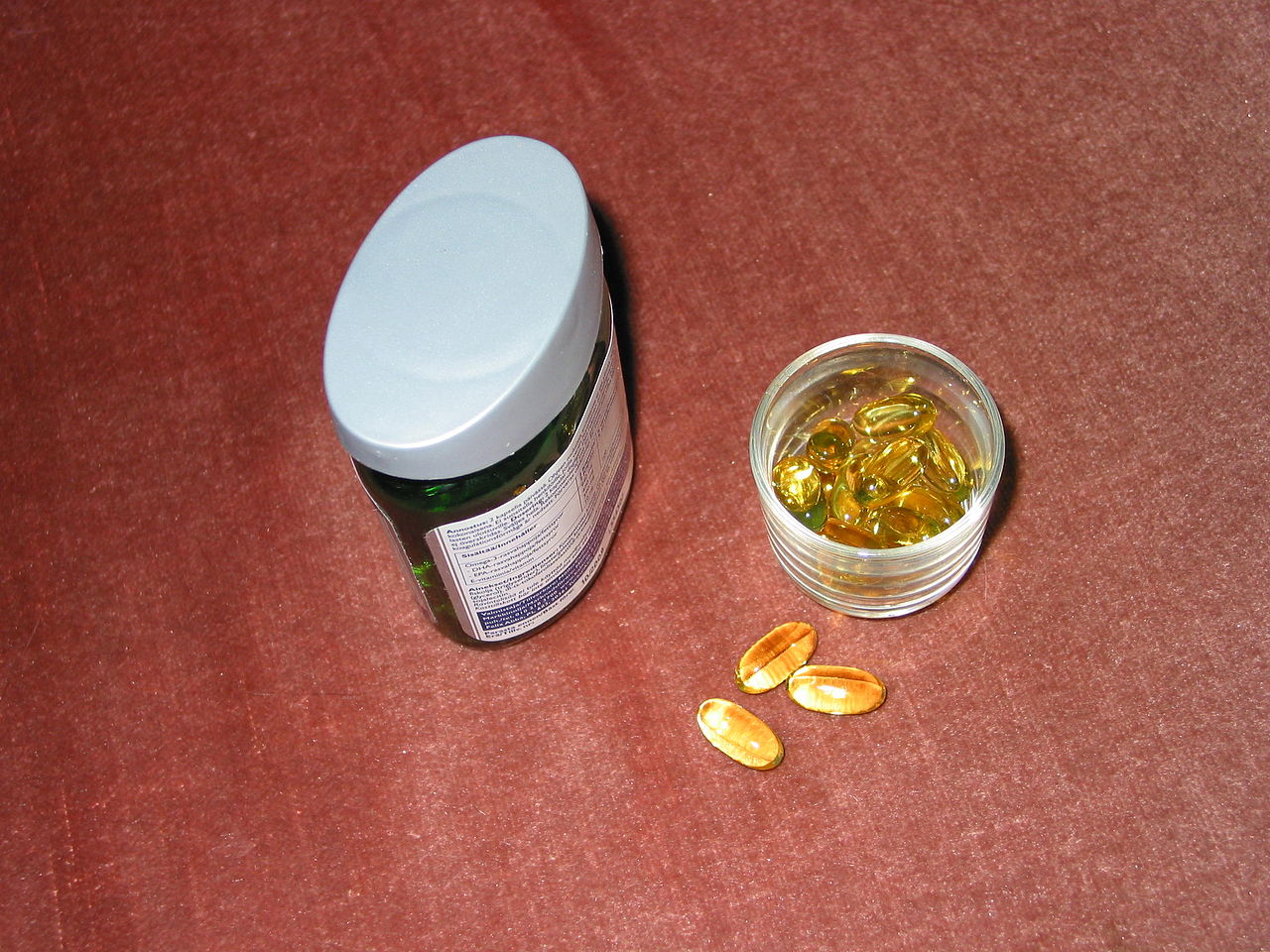
Processed fish supply a wide range of products: fresh and frozen fillets, canned fish (tuna, salmon, sardines), smoked specialties, surimi and reformed products, fish meal and fish oil for animal feed and industrial uses. Processing reduces waste when byproducts are converted into value‑added streams.
History, importance and distinctions
Industrial fish processing expanded with refrigeration, rail transport and canning in the 19th and 20th centuries, enabling global trade in seafood. Modern concerns focus on minimizing post‑harvest losses, traceability, sustainability and food safety. Major distinctions include handling requirements for delicate species versus robust ones, and differing regulatory expectations for wild‑caught versus farmed fish. Well‑managed processing maintains nutritional quality and supports fisheries and aquaculture economies while protecting consumer health.
Related articles
Author
AlegsaOnline.com Fish processing: methods, stages, uses and industry practices Leandro Alegsa
URL: https://en.alegsaonline.com/art/34621
Sources
- royalsoced.org.uk : Inquiry into the future of the Scottish fishing industry