
Father Damien (Saint Damien of Molokai)
Belgian-born Roman Catholic priest Joseph De Veuster (Father Damien) served people with leprosy at Kalaupapa, Molokai; remembered for his ministry, sacrifice, and later canonization.
Father Damien, born Joseph de Veuster in Belgium in 1840, became widely known for his voluntary service among people affected by leprosy (Hansen's disease) in the Hawaiian islands. A member of a Catholic religious order, he traveled to Hawaii in the 1860s and in 1873 offered to live and work in the isolated settlement of Kalaupapa on the island of Molokai. Rather than evacuating or supervising from a distance, Damien chose to share everyday life with patients, providing pastoral care, physical assistance and organizing practical improvements to housing, sanitation and community life.
Image gallery
10 Images




Ministry and daily work
Damien's approach combined sacramental ministry with hands-on labor. He celebrated Mass, heard confessions and tended the spiritual needs of residents while also building cottages, repairing churches, digging graves and teaching trades. His letters and reports to supporters in Hawaii and abroad raised funds and supplies, and he encouraged dignity and self-sufficiency among the colony's inhabitants. His visible presence and personal involvement became a defining example of missionary care in extreme conditions.
Historical context
The Kalaupapa settlement was created under Hawaiian law as a quarantine for people diagnosed with leprosy, a stigmatized disease with limited medical treatment in the 19th century. Many patients were Native Hawaiians displaced by epidemics and colonial contact. When Damien arrived, the community faced overcrowding, poor sanitation and scarce resources. Over the course of roughly sixteen years at Kalaupapa, he helped organize basic infrastructure and advocated for better support from Hawaiian authorities and missionary networks.
Illness, death and remembrance
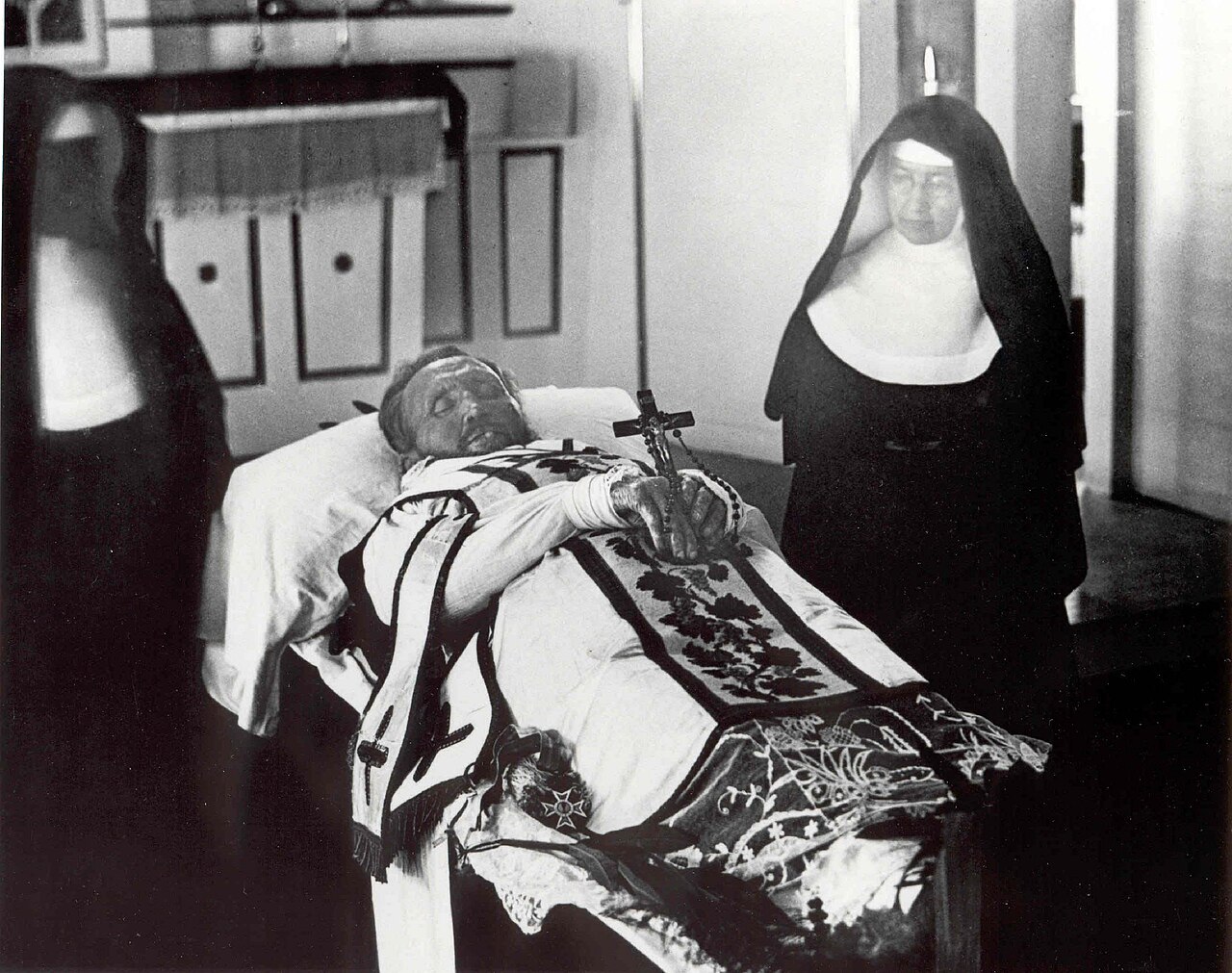
Damien contracted leprosy himself and died in 1889. His decision to live among those he served, and his death from the same disease, contributed to his reputation as a martyr of charity. After his death, his life became widely commemorated: accounts, biographies and memorials spread in Europe, North America and the Pacific. He is often cited as an example of living solidarity with marginalized and sick communities.
Canonization, patronage and legacy
The Catholic Church beatified Father Damien in 1995 and canonized him as Saint Damien of Molokai in 2009. He is regarded as a patron for people affected by leprosy (Hansen's disease), for care workers, and for those on the margins of society. Various religious communities, health organizations and civic institutions in Hawaii and elsewhere honor his memory through liturgical commemorations, statues and educational projects. Some Anglican and ecumenical groups also recognize his ministry as an example of Christian service.
Further reading and links
- Birth and early life (Belgium)
- Priestly formation and religious order
- Missionary service in the Pacific
- Leprosy (Hansen's disease) background
- Kalaupapa colony overview
- Kalaupapa settlement history
- Molokai island context
- Hawaiian history in the 19th century
- Arrival in Hawaii (1864)
- Beatification details
- Canonization process
- Canonized by Pope Benedict XVI (2009)
- Patronages and honors
- Diocese connections
- Honolulu and Hawaiian commemorations
- Associations with HIV/AIDS advocacy
- Historical assessments and memorials
For readers seeking primary sources, many of Father Damien's letters and contemporary accounts are preserved in archives and have been translated into several languages. His life raises important questions about public health, stigma, missionary activity, and the ethics of care in situations where service providers and recipients share the same risks. Whether studied for religious history, medical history or social ethics, Damien's example remains a touchstone for discussions about compassion, sacrifice and the treatment of marginalized populations.
Related articles
Author
AlegsaOnline.com Father Damien (Saint Damien of Molokai) Leandro Alegsa
URL: https://en.alegsaonline.com/art/33634
Sources
- commons.wikimedia.org : Father Damien
- catholicnewsagency.com : "'Apostle of the Lepers,' Spanish mystic among 10 to be canonized"
- storico.radiovaticana.org : "Pope Proclaims Five New Saints"