
Fatimata M’baye — Mauritanian human rights lawyer and activist
Mauritanian lawyer and human-rights defender; founder of the Mauritanian Association for Human Rights; known for defending victims of slavery and torture and awarded an International Women of Courage Award in 2016.
Overview
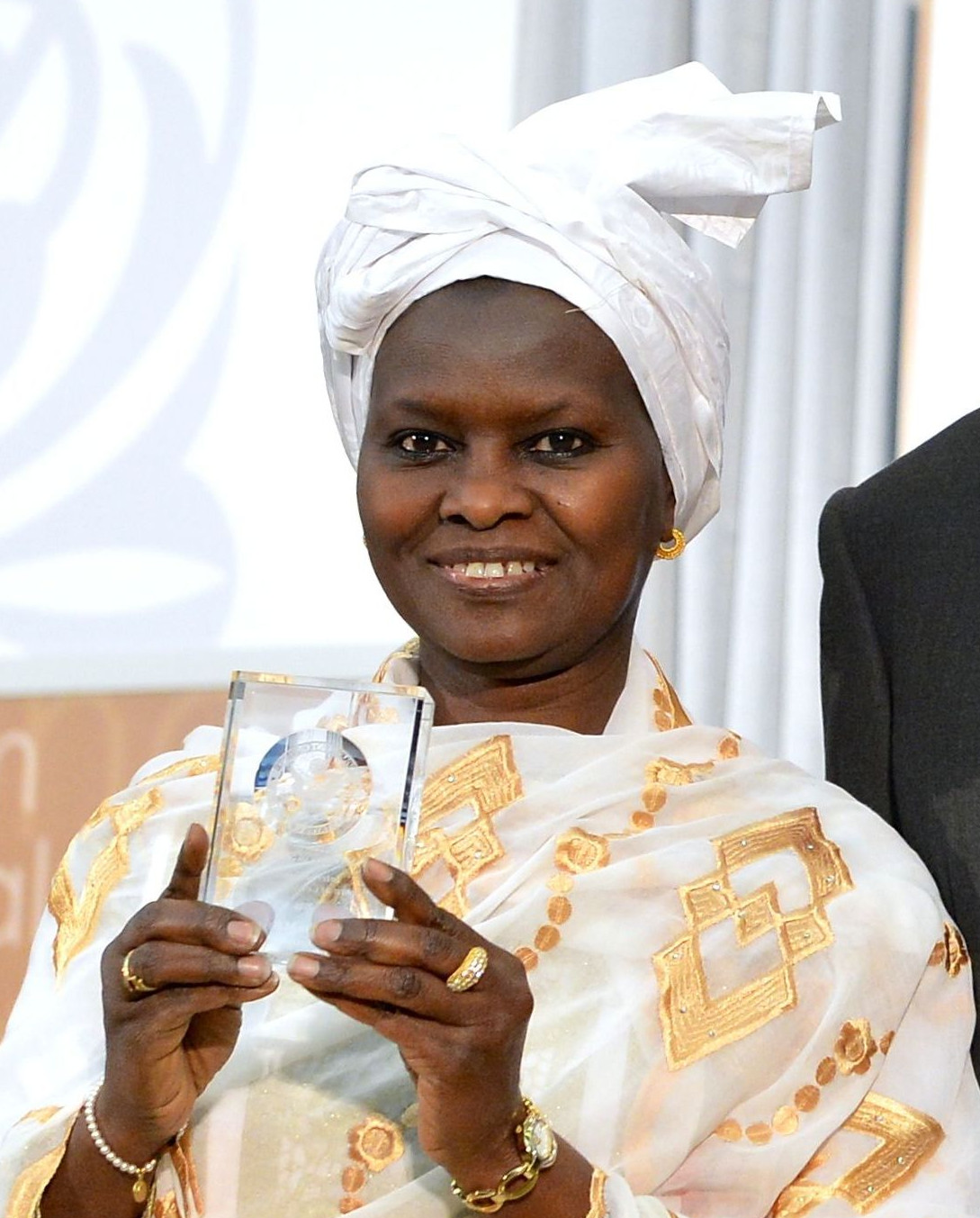
Fatimata M’baye is a prominent Mauritanian lawyer and human rights activist. She is widely recognised for long-term legal defence of people vulnerable to slavery, forced labour, torture and other serious rights violations. M’baye helped establish the Mauritanian Association for Human Rights to expand access to legal remedies and to document abuses. In 2016 she received an International Women of Courage Award in recognition of her work.
Image gallery
2 Images
Legal career and activism
Trained and practising as a lawyer, M’baye has combined individual casework with public-interest litigation and legal education. She has represented defendants in politicised prosecutions and pursued cases on behalf of alleged victims of slavery and torture. Beyond court work, her activism has included monitoring rights violations, preparing legal submissions, and collaborating with civil society and international bodies to press for reforms.
Notable methods and focus
M’baye’s approach brings together courtroom advocacy, documentation and public advocacy. Her practice emphasises strategic cases that can establish precedents, protection of due process, and capacity building for other lawyers and activists. She has sought to use national laws and international standards to challenge discriminatory practices and secure remedies for marginalized groups.
Recognition, challenges and legacy
Her receipt of the International Women of Courage Award highlighted the international attention to her work. At the same time, operating in a difficult environment has exposed her to pressure and risk commonly faced by human-rights defenders. M’baye is regarded as an influential figure in Mauritania for advancing legal protection and public awareness about slavery, torture and equality before the law.
Further information
For additional context about her organisation and work, consult reputable human-rights reports and statements by NGOs and official sources that document legal reform and rights developments in the Sahel and Mauritania. Her career illustrates how legal advocacy and documentation can produce sustained pressure for change.
Questions and answers
Q: Who is Fatimata M’baye?
A: Fatimata M’baye is a Mauritanian lawyer and human rights activist.
Q: What organization did Fatimata M’baye start?
A: Fatimata M’baye started the Mauritanian Association for Human Rights.
Q: What award did Fatimata M’baye receive in 2016?
A: Fatimata M’baye received the International Women of Courage Award in 2016.
Q: What is Fatimata M’baye known for?
A: Fatimata M’baye is known for her work as a lawyer and human rights activist, as well as for starting the Mauritanian Association for Human Rights.
Q: Is Fatimata M’baye from Mauritania?
A: Yes, Fatimata M’baye is from Mauritania.
Q: What does the International Women of Courage Award recognize?
A: The International Women of Courage Award recognizes women around the world who have demonstrated exceptional courage and leadership in advocating for peace, justice, human rights, gender equality, and women’s empowerment.
Q: When was Fatimata M’baye awarded the International Women of Courage Award?
A: Fatimata M’baye was awarded the International Women of Courage Award in 2016.
Related articles
Author
AlegsaOnline.com Fatimata M’baye — Mauritanian human rights lawyer and activist Leandro Alegsa
URL: https://en.alegsaonline.com/art/33650
Sources
- nuernberg.de : "Fatimata M'Baye - Human Rights Office of the City of Nuremberg"
- 2009-2017.state.gov : "Biographies of 2016 Award Winners"