
Fatimah: daughter of the Prophet Muhammad and her historical significance
Fatimah, daughter of the Islamic prophet Muhammad, is a central figure in Muslim history and devotion, especially in Shia Islam. Her life, family, and legacy shaped religious and political debates.
Overview
Fatimah (Arabic name: فاطمہ) was the daughter of the Islamic prophet Muhammad and his first wife Khadijah. Born in the early 7th century, she is remembered as a devoted daughter, wife and mother. Accounts agree she married Ali ibn Abi Talib and was the mother of Hasan and Husayn, two grandsons who are themselves important figures in Islamic history.
Image gallery
10 Images


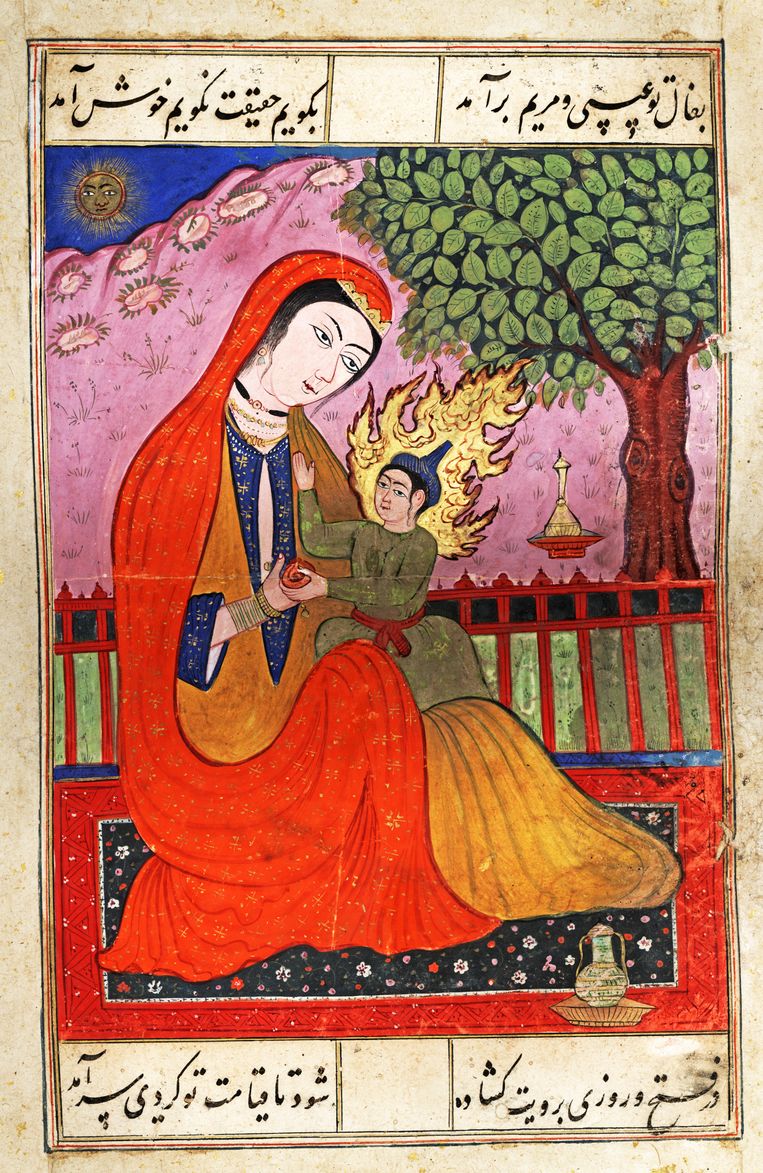
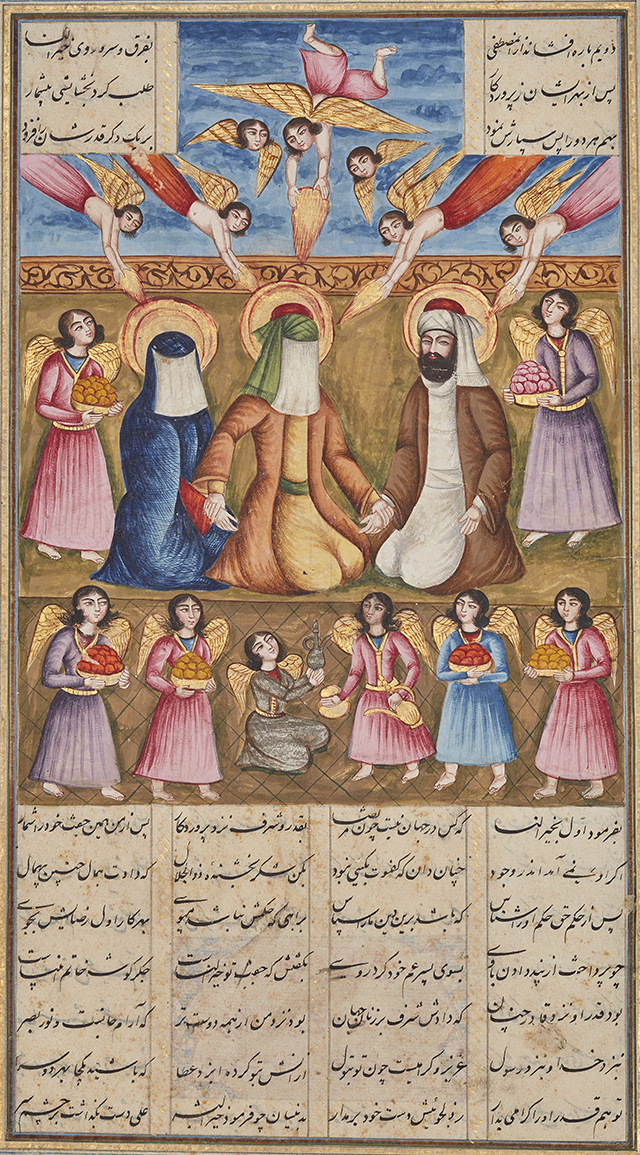

Life and family
Traditional sources describe Fatimah as pious, modest and active in managing household affairs while also supporting the early Muslim community. Her marriage to Ali linked two prominent lines in early Islam. Her children, especially Hasan and Husayn, later became central figures in the political and religious divisions that followed the prophet's death.
Historical and theological significance
Fatimah occupies a particularly elevated place in Shia theology, which emphasizes her moral example, spiritual status and role within the prophet's family (Ahl al-Bayt). Many Shia traditions portray her as an exemplar of devotion and suffering. Sunni traditions also honor her as the prophet's daughter and a respected early Muslim woman, but they differ from Shia views about her role in political events after the prophet's death.
Legacy, controversies and commemoration
Several historical disputes involve Fatimah, including debates about inheritance, the property known as Fadak, and the question of succession. Her reported complaints and the differing accounts of events after the prophet's death feed into larger Sunni–Shia divergences. Her memory is kept alive in ritual mourning, literature, and art; dynasties such as the Fatimid Caliphate later claimed descent from her line.
Notable facts
- Titles and epithets: she is often called Fatimah al-Zahra (the Radiant).
- Burial: the precise location of her grave is disputed among traditions.
- Religious role: she appears in several hadiths and narratives that are important to Muslim piety and law.
Fatimah's life is both a personal biography and a focal point for broader religious and political history. Her example continues to inspire devotion, scholarly study and public commemoration across diverse Muslim communities.

Birth
Fatima was born in Mecca. Her mother Chadījah bint Chuwailid was the first of Muhammad's wives. There are differing opinions on her exact birthday. The majority of Sunni scholars place Fatima's birth at five years before the first Qur'anic revelation (605 CE); the majority of Shi'a scholars at five years after the first Qur'anic revelation on 20 Jumādā l-ūlā (30 March 615 CE). Other Shi'i scholars, such as Shaykh al-Mufīd or Ibrahim b. 'Ali al-Kaf'ami, think that Fatima was born two years after the first Qur'anic revelation (612 CE).
Fatima had three older sisters named Zainab bint Mohammad, Umm Kulthum bint Muhammad, and Ruqaya bint Muhammad. She also had three brothers named Qasim ibn Mohammad, Abdallah ibn Mohammad, and Ibrahim ibn Mohammad, but they died as infants. While most Sunnis believe that Zainab, Umm Kulthum and Ruqayah were actually the daughters of Mohammad, most Shias believe that these were the daughters of Hala, the sister of Khadijah, and they were adopted by Mohammad and Khadijah after her death. Shia scholars give as another reason for this belief the event of Mubahala mentioned in the Quran, where Fatima was chosen as the only wife of Mohammad. Nevertheless, Sunnis accept that Mohammad had four daughters with Khadijah.
Marriage
Fatima married Ali ibn Abi Talib. After Muhammad migrated to Medina, and because he was the leader of the Islamic community, Fatima was held in high esteem by Muslims because she was Muhammad's daughter. Supposedly because of her qualities over the other women of her time and because of the great love Muhammad showed her, some Muslims were prompted to ask her to marry them.
Even some dignitaries of the tribe of Quraysh had asked for Fatima's hand in marriage, including Abū Bakr, ʿUmar ibn al-Chattāb, ʿAbd ar-Rahmān ibn ʿAuf, but Muhammad rejected them all on the grounds that Allah determined the husband of his daughter. These claimed that only Ali was eligible as a husband and went to him and asked him about this. As a result, Ali went to Muhammad and asked him for Fatima's hand in marriage. Muhammad is said to have asked his daughter if she agreed and she replied in the affirmative. Ali did not possess a stable financial position and ran into difficulties in paying the bridal gift to Fatima. Muhammad, according to tradition, advised him to sell his chain mail and with the proceeds some of Muhammad's companions bought the most necessary household items. The wedding ceremony of Ali and Fatima took place in the mosque on the 1st Dhul-Hijrah 2 years after the Hijra (623 AD).
Related articles
Author
AlegsaOnline.com Fatimah: daughter of the Prophet Muhammad and her historical significance Leandro Alegsa
URL: https://en.alegsaonline.com/art/33649
Sources
- msawest.com : Fatimah bint Muhammad
- ww17.maaref-foundation.com : "Maaref-foundation.com"