
Far Eastern Republic
Short-lived buffer state (1920–1922) in the Russian Far East and eastern Siberia created during the Russian Civil War to separate Bolshevik Russia from foreign and anti-Bolshevik forces.
Overview
The Far Eastern Republic was a short-lived, nominally independent polity formed in April 1920 in the Russian Far East and parts of eastern Siberia. It is sometimes called the Chita Republic. Its creation was a tactical response to the complexities of the Russian Civil War: the new state served as a buffer between Bolshevik-controlled territory and foreign intervention forces, as well as anti-Bolshevik White armies operating in Siberia.
Image gallery
4 Images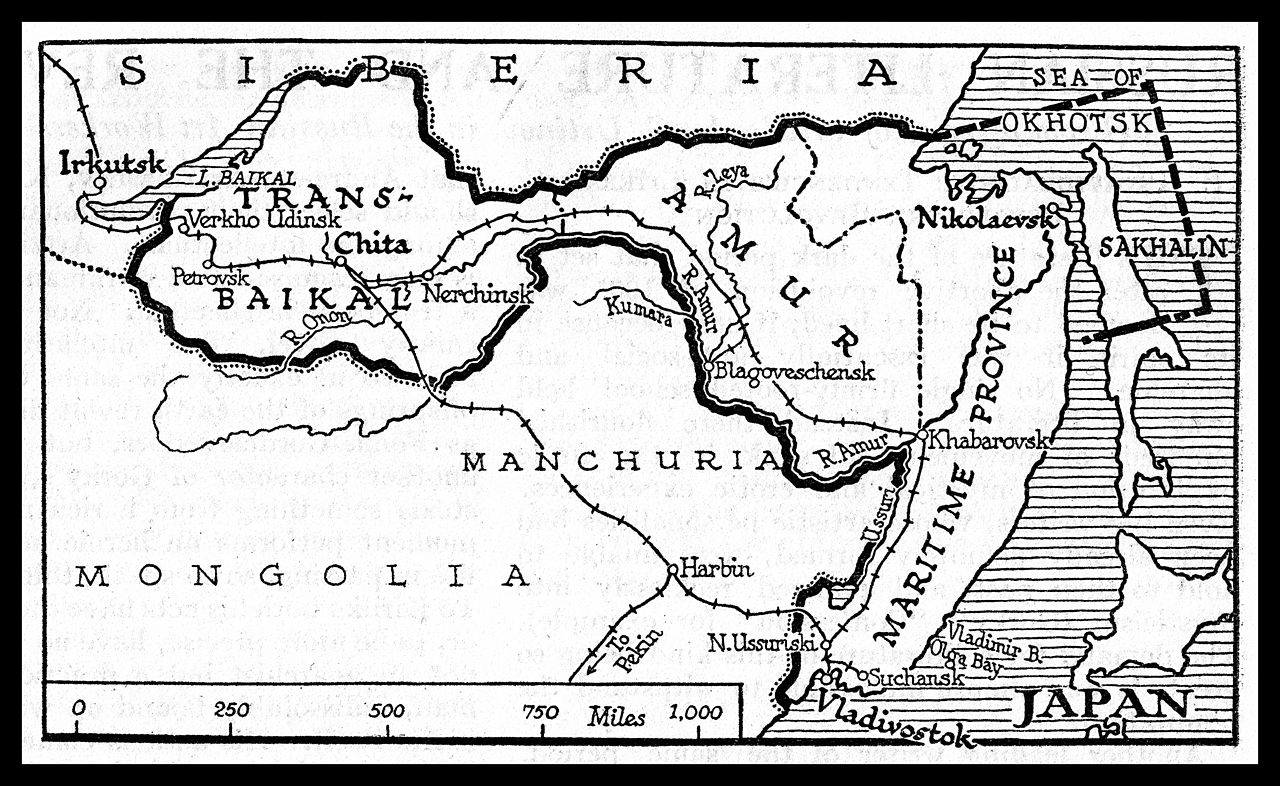


Territory and name
At its inception the republic covered areas east of Lake Baikal and included large, sparsely populated regions of eastern Siberia and the Far East. The native Russian designation is shown in some sources as the Russian name. Contemporary descriptions often identify the republic with cities such as Chita and Blagoveshchensk and with provinces that lay along major rivers and rail links into the Pacific coast (see region).
Government and character
Formally republican, the administration combined socialist rhetoric with pragmatic diplomacy. Its leadership was closely aligned with Bolshevik policy from Moscow, but it maintained a distinct legal persona and engaged in negotiations and local administration that would have been more difficult under a direct Soviet label. The republic ran civil institutions, attempted to stabilize transport and supplies, and sought recognition or at least non-hostile relations with neighboring powers and occupying forces (context).
Origin, purpose and activities
Established during the final phases of the Russian Civil War, the Far Eastern Republic was part of a wider strategy to manage the withdrawal of foreign troops (notably Japanese forces stationed in the Russian Far East) and to undermine White resistance without provoking open confrontation. It negotiated with local commanders, organized defenses, and administered relief in a region affected by war, supply shortages and population displacement. Railways and river transport were central to its logistics and political reach.
Dissolution and legacy
As foreign intervention waned and the Bolsheviks consolidated control, the need for a separate buffer diminished. The republic was formally abolished and incorporated into the Russian Soviet Federative Socialist Republic in late 1922, once hostile forces had been expelled and diplomatic conditions changed. Historians view the Far Eastern Republic as an example of pragmatic statecraft during revolutionary transition: nominal independence used to achieve strategic ends while enabling eventual Soviet consolidation (further reading).
Notable facts
- Sometimes referred to as the Chita Republic because of the prominence of Chita as an administrative center.
- Its creation reflected the interaction between international intervention, civil war, and revolutionary state-building.
- Its brief existence influenced patterns of governance and integration in Russia's Far East during the early Soviet period.
Related articles
Author
AlegsaOnline.com Far Eastern Republic Leandro Alegsa
URL: https://en.alegsaonline.com/art/33500