
Russian Far East: geography, history, and contemporary significance
Region comprising Russia's eastern territories: geography, climate, peoples, history of expansion, economy (fisheries, minerals, energy), strategic role, and administrative composition.
Overview
The Russian Far East denotes the vast eastern portion of the Russian state that stretches from the Yenisei River basin to the Pacific Ocean. It is often discussed alongside Siberia but is treated as a separate unit in contemporary regional schemes and federal administration. The term is used in geography, economics, and policy to distinguish this Pacific-facing frontier.
Image gallery
10 Images




Geography and environment
The region includes extensive coastlines on the Sea of Okhotsk, the Bering Sea and the Sea of Japan, rugged mountain ranges, active volcanism (notably on Kamchatka), and large areas of permafrost and boreal forest. Climate varies from subarctic and continental in the north to a milder maritime and monsoon-influenced climate in the south. Rich marine zones support major fisheries.
History and development
Russian expansion into the area began in the 17th century through exploration, Cossack expeditions and trade. Control was shaped by treaties with neighboring powers, and by the 19th century the Pacific littoral came under firm Russian administration. Soviet policies accelerated industrialization, transport links such as the Baikal–Amur Mainline and strategic settlement. The area has also seen forced labor camps and demographic shifts during the 20th century.
Administrative structure and population
Administratively the territory corresponds to the Far Eastern Federal District, a federation of several federal subjects. Major constituent units include:
- Amur Oblast
- Chukotka Autonomous Okrug
- Jewish Autonomous Oblast
- Kamchatka Krai
- Khabarovsk Krai
- Magadan Oblast
- Primorsky Krai — the southernmost coastal territory
- Sakhalin Oblast
- Sakha (Yakutia) Republic
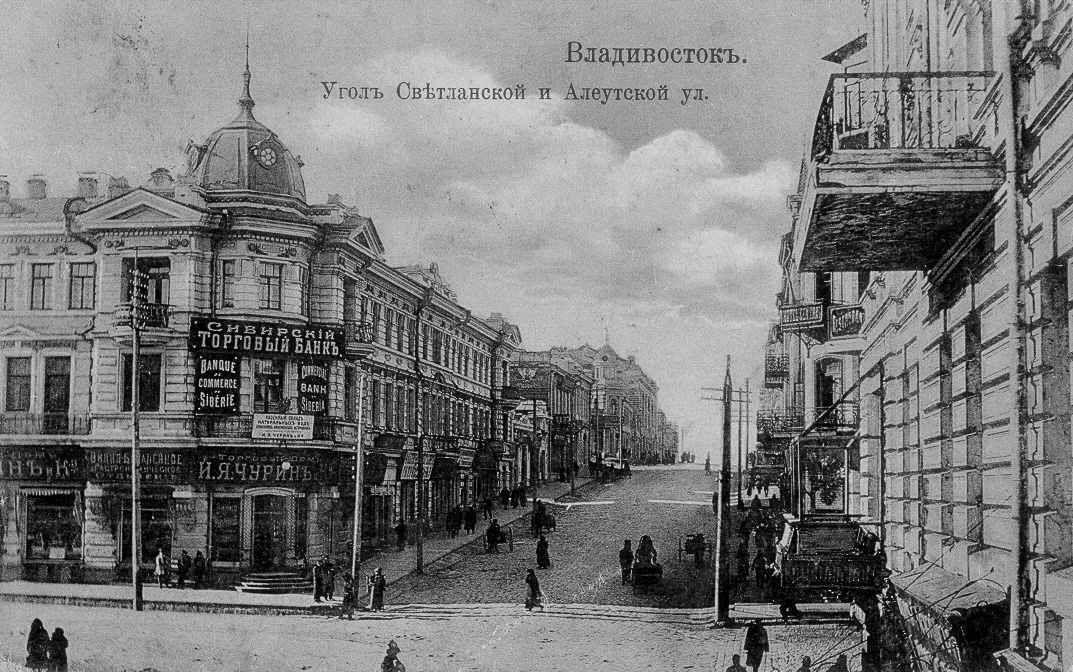
The region is sparsely populated overall, with concentrated urban centers such as Vladivostok and Khabarovsk and numerous indigenous peoples who maintain distinct cultures and livelihoods.
Economy, uses and strategic importance
The Russian Far East is important for fisheries, timber, mineral and hydrocarbon resources, and as Russia’s gateway to the Asia–Pacific. Key ports and cities serve trade and naval functions. Infrastructure and investment have been policy priorities to stimulate development, though remoteness and harsh climate pose ongoing challenges.
Notable distinctions and issues
The Far East differs from inland Siberia in climate, maritime access and geopolitical orientation toward East Asia. It includes islands and littoral zones where territorial issues exist, and it plays a significant role in Russia’s foreign economic ties. For further context see entries on Russia, historical relations with Siberia, and regional information such as Primorsky Krai.
Related articles
Author
AlegsaOnline.com Russian Far East: geography, history, and contemporary significance Leandro Alegsa
URL: https://en.alegsaonline.com/art/84829