
Extremism: Definition, Characteristics, Legal Responses, and Distinctions
An overview of extremism: beliefs or actions far outside a society’s political or moral norms, with common traits, legal and social responses, examples, and how it differs from radicalism or fundamentalism.
Overview
Extremism describes political or ideological positions that lie well outside a society’s commonly accepted norms. These can be political views or ideas that reject pluralism, toleration or established institutions, and that often conflict with prevailing social standards — sometimes described as the mainstream or prevailing consensus. Observers frequently note a moral dimension as well: many definitions highlight a breach of common moral standards or an explicit willingness to undermine rights and protections afforded to others.
Image gallery
1 Image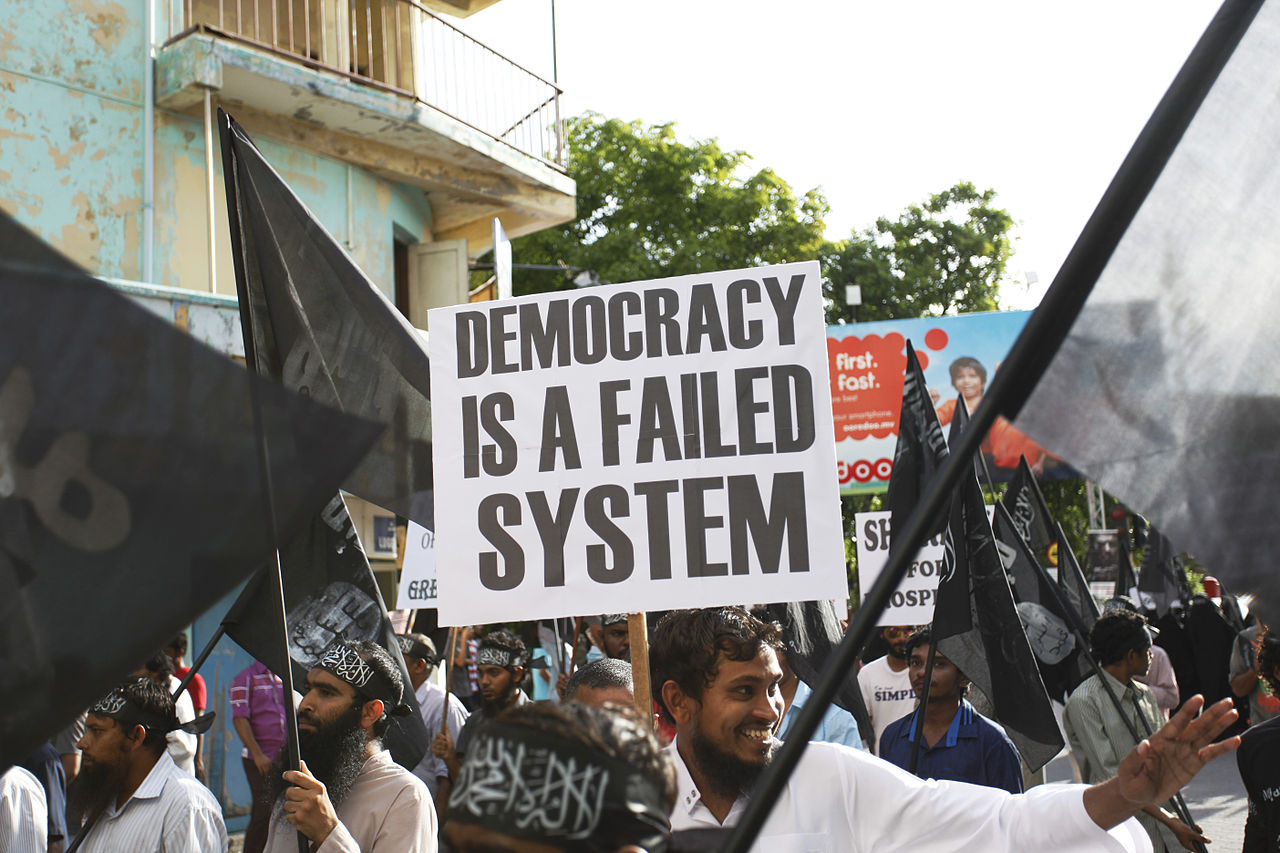
Core characteristics
Extremist movements and viewpoints are diverse, but several recurring traits appear in scholarly and legal descriptions:
- Open rejection of democratic processes or constitutional limits, such as advocating to replace a democratic system with authoritarian rule or totalitarian structures.
- Intolerance of dissent and of political, religious or cultural pluralism; sometimes linked to religious fundamentalism or uncompromising secular ideologies.
- Endorsement of or reliance on violence, intimidation, or unlawful methods to achieve goals.
- Use of conspiratorial narratives or dehumanizing language about rivals and minorities.
Legal and social responses
Governments, social institutions and civil society respond in ways that vary by legal tradition and political culture. Responses include criminal laws, proscription of organizations, monitoring, counter‑extremism programs and efforts at de‑radicalization. What one state treats as unacceptable can be permissible in another: the same expression or practice may be judged extremist in one country and lawful in another — for instance, debates over visibility of religious dress have different legal outcomes in places such as France, Afghanistan and Saudi Arabia. Similarly, public discussions about Muslim dress, such as the burqa, illustrate how social norms and legal rules intersect.
Distinctions and debates
Scholars and policymakers distinguish extremism from related concepts. Radicalism can mean profound change but not necessarily anti‑pluralist or violent aims; fundamentalism often denotes doctrinal rigidity within a religion without implying political violence. Tensions with freedom of speech and association make labeling contentious: critics warn that overbroad definitions risk criminalizing dissent, while proponents argue that clear limits are necessary to protect democratic order.
Examples and contemporary relevance
Concrete examples range from groups that explicitly aim to abolish democratic institutions to organizations that incite hatred or terrorism. Extremism also appears online, where recruitment and propaganda can spread rapidly. Addressing extremism typically combines law enforcement, education, community engagement and social services to reduce appeal and offer alternatives.
For further reading and legal frameworks, consult sources on comparative definitions, public policy responses and case studies provided by governance and human rights organizations: see references on political views, ideological movements and the role of public norms in defining the mainstream.
Related topics: moral standards, democracy, totalitarianism, religion, fundamentalism, Islam, burqa debates, French law, Afghan law, Saudi law.
Related articles
Author
AlegsaOnline.com Extremism: Definition, Characteristics, Legal Responses, and Distinctions Leandro Alegsa
URL: https://en.alegsaonline.com/art/33053