
Fianna Fáil: History and Political Role in the Republic of Ireland
History and political role of Fianna Fáil, founded by Éamon de Valera in 1926: its republican roots, evolution into a centre-to-centre-right catch-all party and its long influence on Irish government.
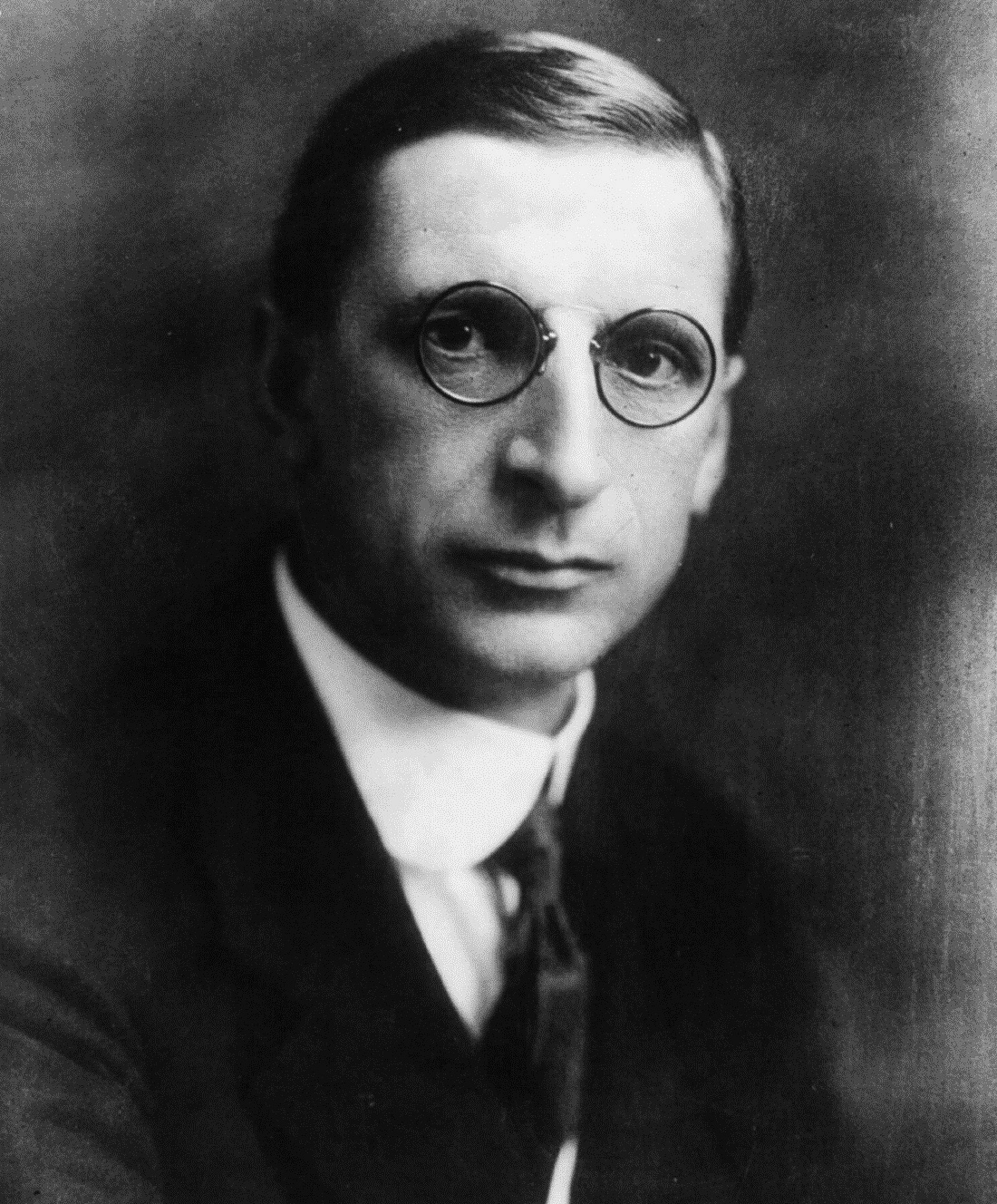
Fianna Fáil is a political party in Ireland. It was established in 1926 by Éamon de Valera together with a group of former Sinn Féin members; among the early figures associated with the new organisation was Constance Markievicz. The party’s name is commonly rendered in English as "Soldiers of Destiny" and can also be read literally as "Warriors of Fál" (Fál being an ancient poetic name for Ireland).
Image gallery
10 Images






Overview
Fianna Fáil has long been one of the principal parties of the Irish state. It is generally characterised as a broad, catch‑all movement with roots in Irish republicanism; analysts typically place it on the centre to centre‑right of the political spectrum, though its policies and coalitions have varied over time.
History
After the Irish Civil War, divisions within the republican movement led to the formation of multiple parties. Fianna Fáil grew out of an anti‑Treaty split from Sinn Féin and established itself as an independent political organisation in 1926. Over much of the 20th century it was the dominant party in the state, alternating in government with parties that traced their lineage to the pro‑Treaty side, including Fine Gael.
Leadership and government role
The party has been led by Micheál Martin, who became leader in 2011 and served as Taoiseach from June 2020 until December 2022 as part of a rotating agreement within the three‑party government formed after the 2020 election.
Since the 2020 general election Fianna Fáil has taken part in a coalition government with Fine Gael and the Green Party, and it was the largest single party in the Dáil Éireann immediately following that election.
Organisation and position
- Political tradition: Irish republicanism and pragmatism, with policies spanning welfare, agriculture, and business depending on electoral context.
- Electoral base: Historically broad, drawing support from rural and urban areas across the Republic of Ireland.
- Role in government: Frequent leading or senior partner in coalition administrations throughout the state’s history.
Like other major parties, Fianna Fáil has evolved in response to social and economic change in Ireland; its long record in both opposition and government has shaped much of modern Irish politics.
Related articles
Author
AlegsaOnline.com Fianna Fáil: History and Political Role in the Republic of Ireland Leandro Alegsa
URL: https://en.alegsaonline.com/art/34148