
Burqa: full-body outer garment worn by some Muslim women
A burqa is an outer garment that covers the entire body and face, with a mesh or grille over the eyes. This article explains its characteristics, origins, variations, uses, and distinctions from other veils.
Overview
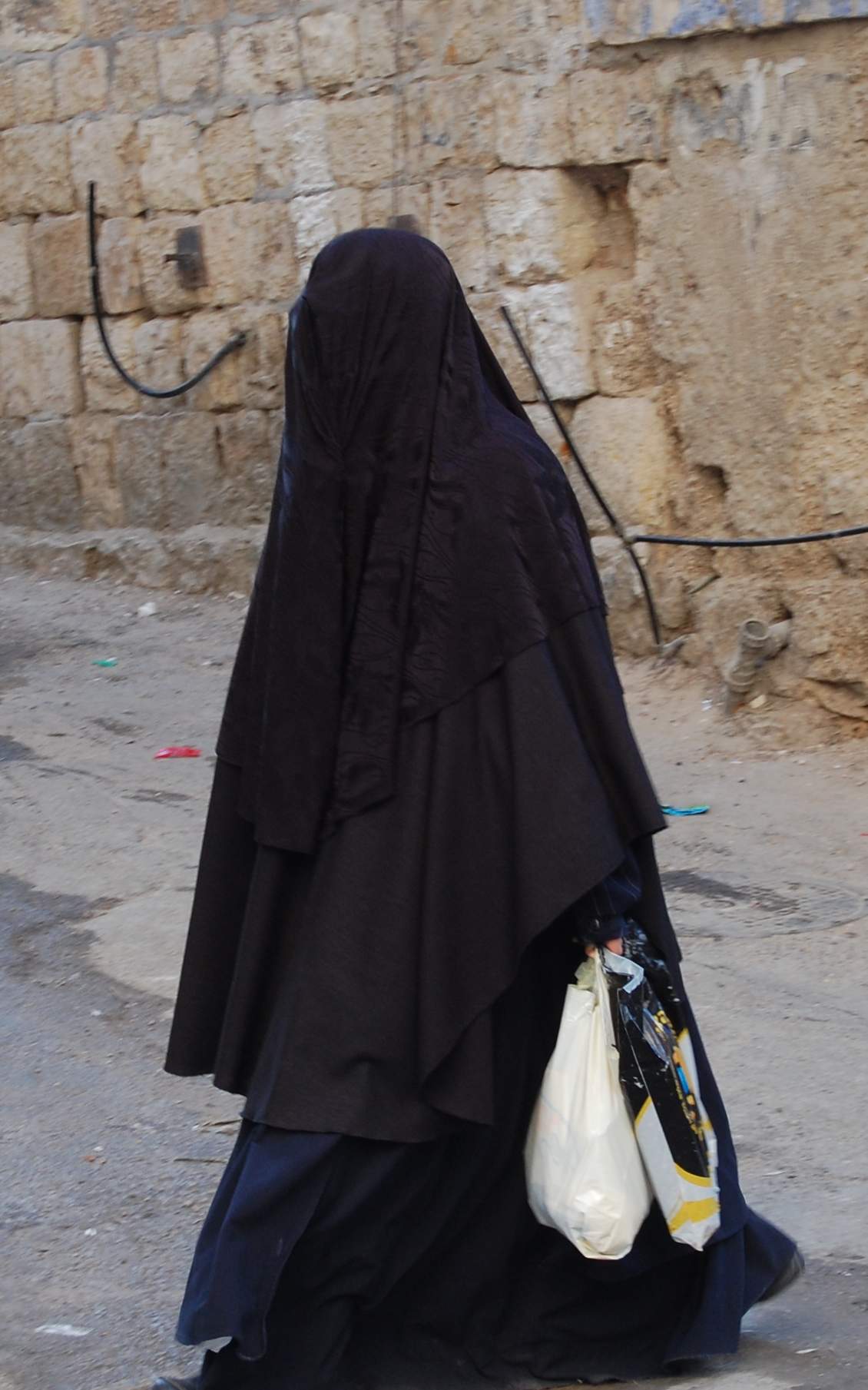
The burqa is an outer garment worn by some Muslim women that covers the wearer from head to toe, including the face. Vision is provided by a small semi-transparent panel, often a woven or stitched mesh, positioned over the eyes. The burqa functions as a form of modest dress associated with particular religious interpretations and cultural practices rather than a single uniform style.
Image gallery
10 Images



Characteristics and construction
Typically made from lightweight woven fabric, a burqa encloses the body and drapes to the feet. The face covering portion is usually integrated with the rest of the garment and includes a mesh, grille, or finely embroidered screen that allows the wearer to see while maintaining coverage. Styles, colors and materials vary widely by region, climate and available textiles; some are simple and utilitarian, others more decorated.
Origins and historical context
Veiling and full-body coverings have long histories across many societies, predating Islam in some regions. Within Islamic societies the practice evolved under a mix of religious interpretation, local custom and social norms. Over time different areas developed distinct forms of full-body dress and distinct names for them. The burqa as recognized today is thus the product of both religious and regional traditions.
Uses and social meaning
Women wear the burqa for a range of reasons: personal piety, adherence to a particular religious view, cultural identity, family choice, or social expectation. It can mark membership in a community or signal conformity with established norms of modesty. The garment also figures in public debates about women's rights, religious freedom and state policies concerning public dress.
Variations and distinctions
- Burqa: full-body cover including a face screen for the eyes.
- Niqab: a face veil that leaves the eyes visible but is usually worn with separate outer clothing; it is distinct from the burqa in construction and fit.
- Hijab: a headscarf that covers the hair and neck but leaves the face uncovered; often contrasted with full-face coverings like the burqa. See also: hijab.
Contemporary issues and notable facts
The burqa appears in international discussions about religious practice, gender and law. Some states and localities have adopted regulations or bans on face-covering garments in public spaces; others protect the right to wear them as an expression of religion. Conversations about the burqa often intersect with topics such as integration, security, personal autonomy and cultural diversity. For further reading on variants and context, consult a general reference entry: Burqa.
Related articles
Author
AlegsaOnline.com Burqa: full-body outer garment worn by some Muslim women Leandro Alegsa
URL: https://en.alegsaonline.com/art/15520