
Far-right politics: ideology, history, and contemporary forms
Survey of far-right politics: major ideas, historical development, variations worldwide, social impacts, and legal and political responses to extremist movements.
Overview
Far-right politics refers to political positions and movements that occupy the extreme end of the right wing of the conventional left–right spectrum. The label is broad and contested: scholars, journalists and political actors use it in different ways. Commonly it denotes ideologies and groups that emphasize strong national identity, hierarchical social orders, exclusionary definitions of belonging, and an often-authoritarian approach to governance. Some well-known historical movements typically associated with the far right include fascist and Nazi regimes, while in contemporary politics the term is applied to a range of parties, movements and subcultures with varying goals and methods.
Image gallery
10 Images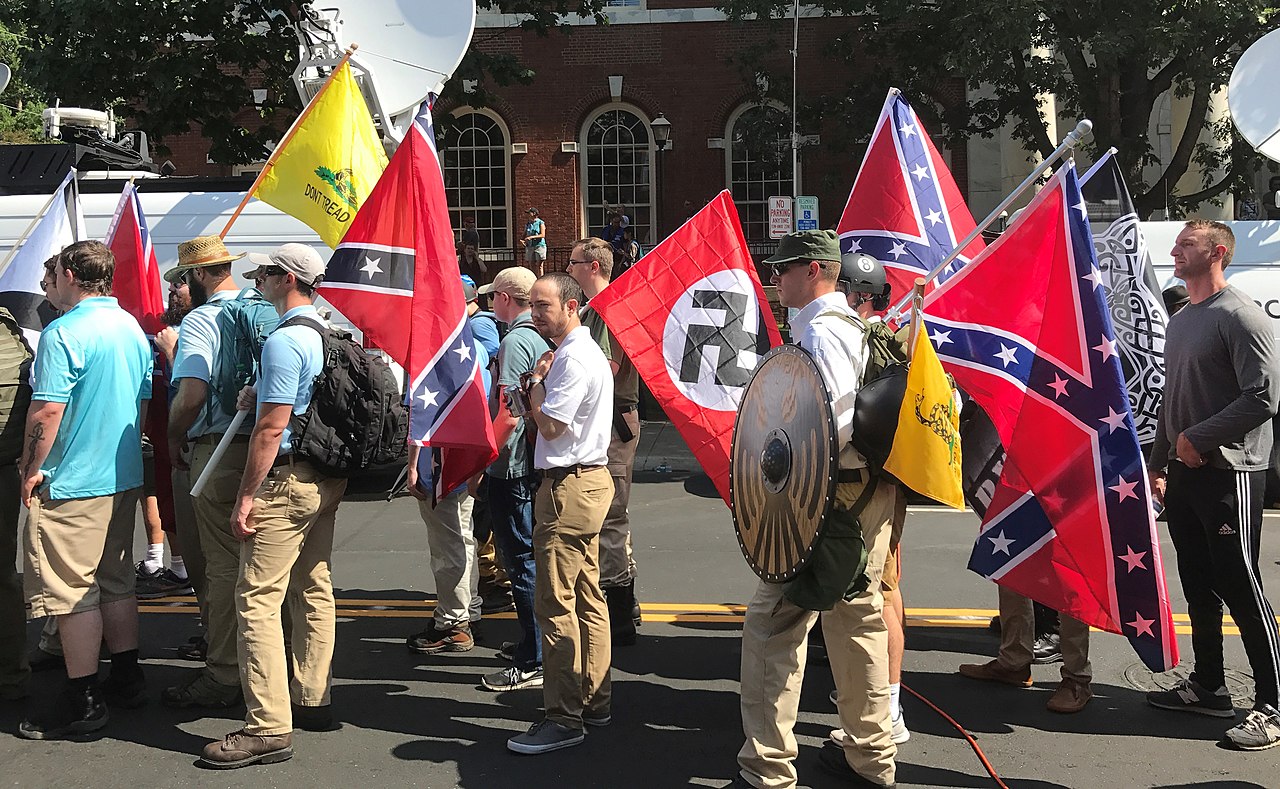


Core characteristics
Although far-right formations are diverse, several recurring features are frequently identified:
- Ethno-nationalism and nativism: prioritizing the rights of a perceived native or core group and opposing immigration or multicultural policies;
- Authoritarianism: favoring centralized power, strong leadership, and limits on pluralistic democratic institutions;
- Social conservatism and hierarchy: supporting traditional social roles and often endorsing unequal rights or privileges based on race, ethnicity or other categories;
- Populist rhetoric: framing politics as a struggle between a pure people and corrupt elites or outsiders;
- Use of violence and paramilitarism: some groups accept or promote violence to achieve political ends, though many parties operate through elections and legal channels.
Historical development
Far-right ideas have roots in 19th- and early 20th-century reactions to modernization, nationalism and social change. In the interwar period, movements such as Italian fascism and German National Socialism became the most notorious embodiments of far-right authoritarianism, combining aggressive nationalism with militarism, censorship, and systematic persecution of targeted groups. After World War II, openly totalitarian forms diminished in mainstream politics in many countries, but variants persisted in subcultures, paramilitary groups, and parties that adapted elements of far-right thought to new contexts.
Contemporary forms and examples
Today the far right appears in multiple shapes: electoral parties that stress immigration control and cultural conservatism; extra-parliamentary activist networks; and extremist cells promoting racism or violent action. Some actors seek mainstream respectability by focusing on issues like crime, welfare and sovereignty, while others explicitly embrace ideology associated with historical fascism or neo-Nazism. For background reading and definitions see overview sources, and for historical cases see treatments of Nazism and neo-Nazism. Scholarship on authoritarian movements also references fascism and its variants.
Impacts, regulation and distinctions
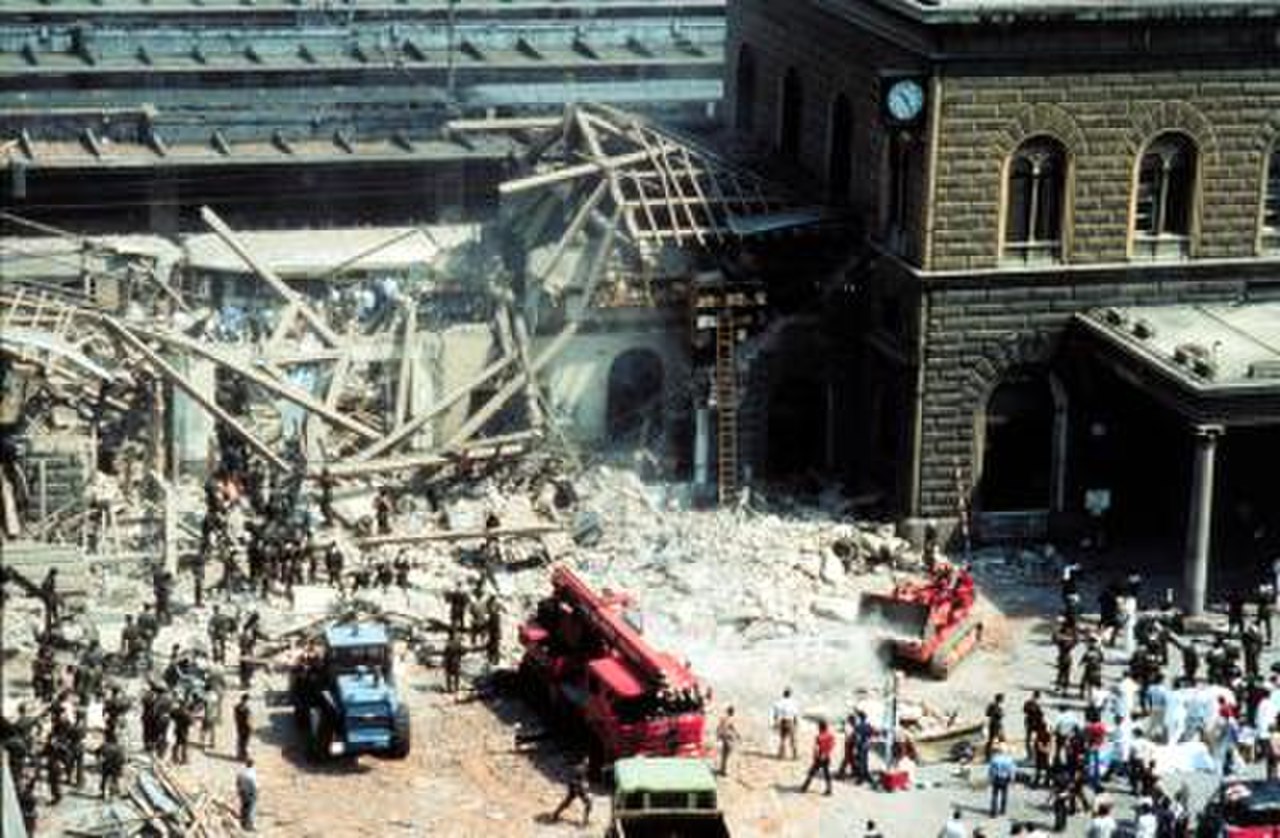
Far-right movements have had profound social and political effects: they have influenced policy debates on immigration and identity, precipitated outbreaks of targeted violence, and in extreme cases led to crimes against humanity and genocide. Democratic societies respond in diverse ways, using legal restrictions on hate speech and extremist organizations, law enforcement, and civic education to limit harm while balancing free-expression protections. Researchers emphasize distinguishing between radical ideology, legitimate conservative policy disagreements, and unlawful violent activity. For discussions of historical crimes and international law, see materials referenced at relevant legal summaries.
Regional notes and contemporary debate
In different national contexts the term "far right" maps onto distinct parties and movements: in some countries it denotes fringe extremist groups, in others it describes influential parties that have gained parliamentary representation. In the United States the phrase "hard right" or populist conservative movements has been applied to a range of actors from grassroots organizations to activist networks; readers can explore coverage of the U.S. context at regional analyses and case studies such as discussions of the Tea Party and related movements. Because labels carry political weight, analysts often prefer specific descriptions (for example, "ethno-nationalist" or "post-fascist") over blanket terminology.
Far-right politics remains a subject of active study and public concern. Understanding its varieties—ideological, electoral and violent—helps policymakers, educators and citizens recognize risks and craft proportionate responses that defend democratic norms while addressing social grievances that can fuel extremism.
Questions and answers
Q: What does far-right politics mean?
A: Far-right politics are politics that are further right on the political spectrum than the usual political right. They are often associated with Nazism, neo-Nazism, fascism, and other organizations that have reactionary views.
Q: What idea is often associated with the far-right?
A: The idea that superior people should have greater rights than inferior people is often associated with the far-right.
Q: What kind of society do the far-right historically favor?
A: The far-right historically favors a society that believes in superior minority over inferior masses.
Q: What aspect of fascist ideas has been identified with right-wing political parties?
A: Some aspects of fascist ideas, especially the idea that superior people should have more power in society, have been identified with right-wing political parties.
Q: What consequences has the idea that superior people should have more power in society led to?
A: The idea that superior people should have more power in society has led to genocide.
Q: What are some groups in the United States that have been described as the hard right?
A: The Tea Party and Patriot movements are some groups in the United States that have been described as the hard right.
Q: What are some examples of organizations that are often associated with far-right politics?
A: Nazism, neo-Nazism, fascism, and other organizations that have reactionary views are often associated with far-right politics.
Related articles
Author
AlegsaOnline.com Far-right politics: ideology, history, and contemporary forms Leandro Alegsa
URL: https://en.alegsaonline.com/art/33503
Sources
- nytimes.com : "Rise of Donald Trump Tracks Growing Debate over Global Fascism"
- bundestag.de : "Political Parties"
- books.google.com : Explaining Politics
- politicalresearch.org : "U.S. Hard Right Being Bolstered by Mainstream"