
Europium
Europium is a soft, silvery rare-earth metal (atomic number 63) notable for its luminescent compounds, two common oxidation states (+2 and +3), and uses in phosphors, security inks, and specialized electronics.
Overview
Europium is a chemical element with symbol Eu and atomic number 63. It belongs to the lanthanide series of rare-earth metals and appears as a soft, silvery metal that tarnishes in air. Europium atoms have 63 protons and commonly display two oxidation states, +3 and notably +2, which give rise to distinct chemical and optical behaviour. For a standard reference entry see element data and its place on the periodic table.
Image gallery
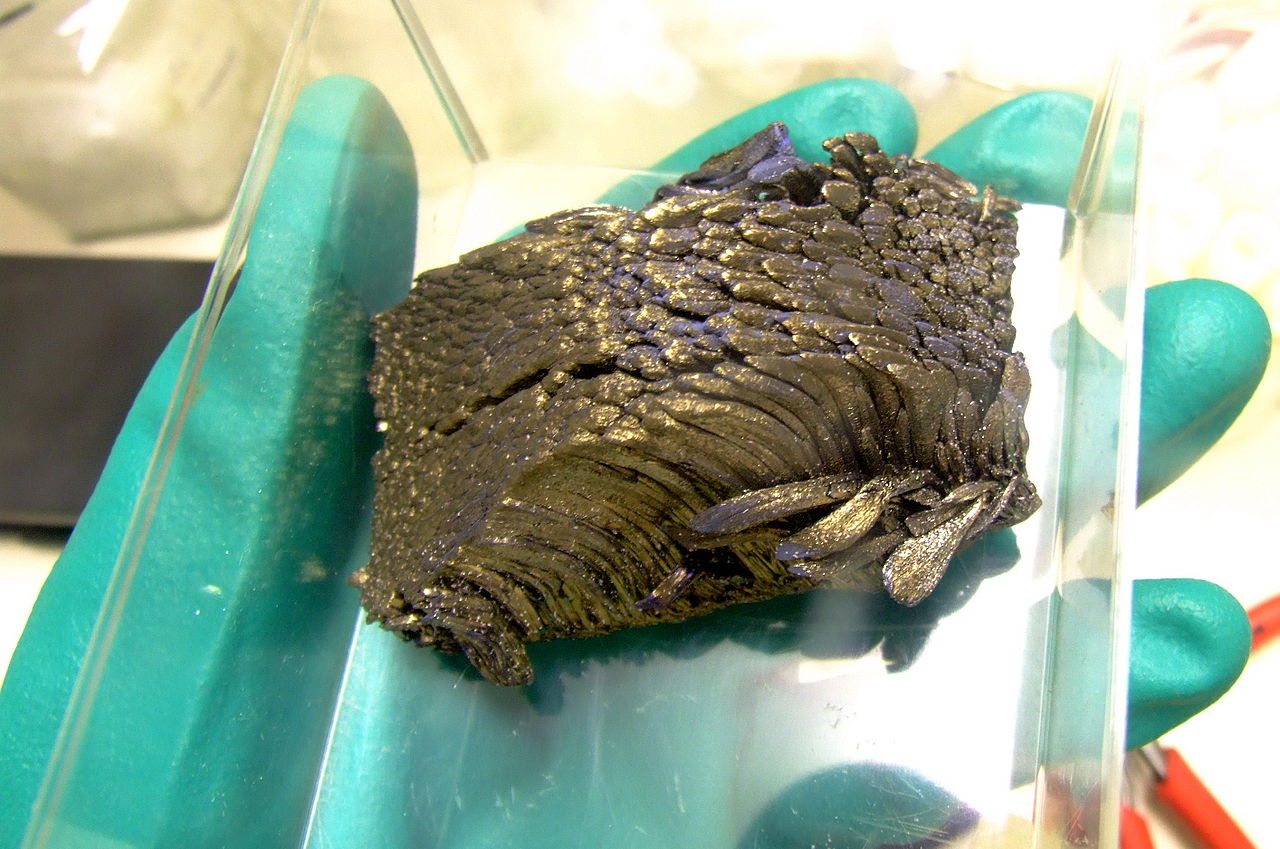
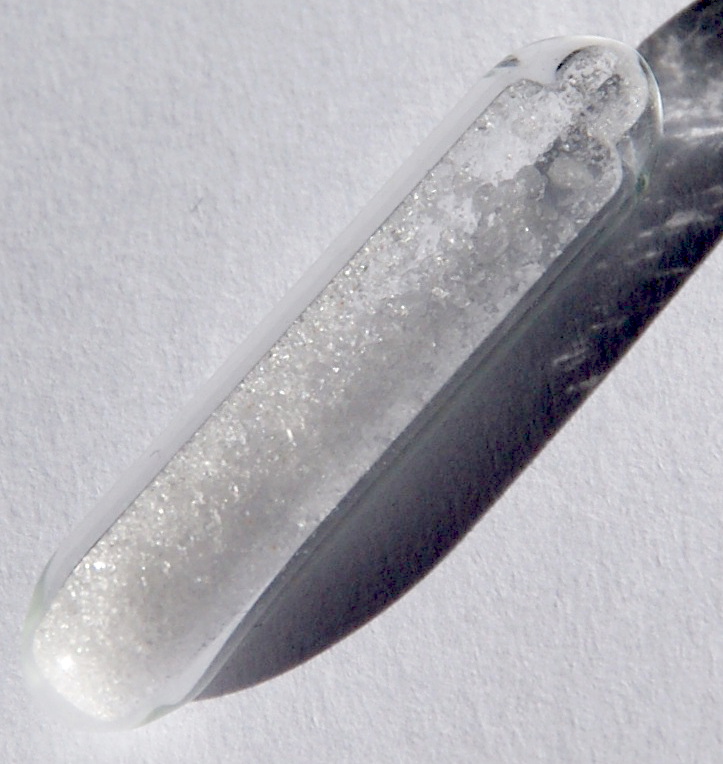
9 Images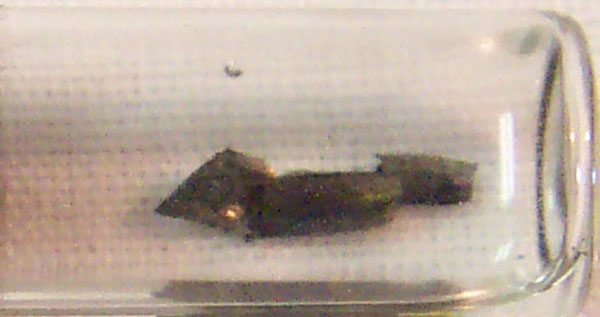





Key characteristics
Europium is physically soft and malleable; it melts at about 826 °C and forms oxides and hydroxides when exposed to air and moisture. Chemically it is more reactive than many transition metals. Its electronic transitions—especially those of Eu2+ and Eu3+—produce sharp luminescent emissions, which are exploited in lighting and display technologies. Basic atomic information and isotopic notes are summarized in many element guides (isotopes, atomic properties).
History and naming
The element was identified during studies of rare-earth minerals in the late 19th century and was isolated in the early 20th century. It was named for the continent of Europe, reflected in its modern name; historical accounts and original reports are available through period chemistry archives and dedicated element histories (naming, discovery details).
Uses and applications
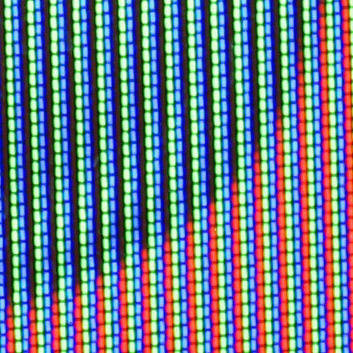
Europium compounds are best known for their role in producing red phosphors used in cathode‑ray tubes, fluorescent lamps, LEDs and some color displays. They are also used in security inks for banknotes and documents because their luminescence under ultraviolet light is distinctive and difficult to counterfeit. Specialized alloys and research applications exploit europium's neutron‑capture properties as well; summaries and supplier information are available from technical sources (applications).
Practical notes and distinctions
- Oxidation states: +3 is the most common, but the +2 state is unusually stable for europium and responsible for intense luminescence in certain compounds.
- Occurrence: like other rare earths, europium is recovered from minerals such as monazite and bastnäsite and separated by solvent extraction techniques.
- Handling: elemental europium reacts with air and water and should be handled under inert atmosphere; its compounds are used rather than the metal in most applications.
Europium's combination of electronic structure and luminescent behaviour makes it important in modern optical, electronic and security technologies, and it remains a distinct member of the lanthanide series situated between samarium and gadolinium on the periodic table.
Related articles
Author
AlegsaOnline.com Europium Leandro Alegsa
URL: https://en.alegsaonline.com/art/32639