
Fermium — synthetic actinide element (symbol Fm, atomic number 100)
Fermium (Fm) is a synthetic, highly radioactive actinide with atomic number 100. It is produced in nuclear reactions and has no practical commercial uses; it is important mainly for scientific research.
Overview
Fermium is a synthetic chemical element with the symbol Fm and atomic number 100. It belongs to the actinide series and sits in the heavy end of the periodic table (periodic table). Fermium does not occur in appreciable amounts in nature and must be produced artificially. The element is named in honor of physicist Enrico Fermi.
Image gallery
7 Images


Characteristics
Fermium is a dense, radioactive metal in which the most commonly studied forms are unstable isotopes. Chemical behavior follows typical actinide patterns, with a tendency to form the +3 oxidation state in many compounds; other oxidation states have been observed under special laboratory conditions. Its radioactivity and scarcity mean that bulk samples are not available and physical measurements are limited.
Production and isotopes
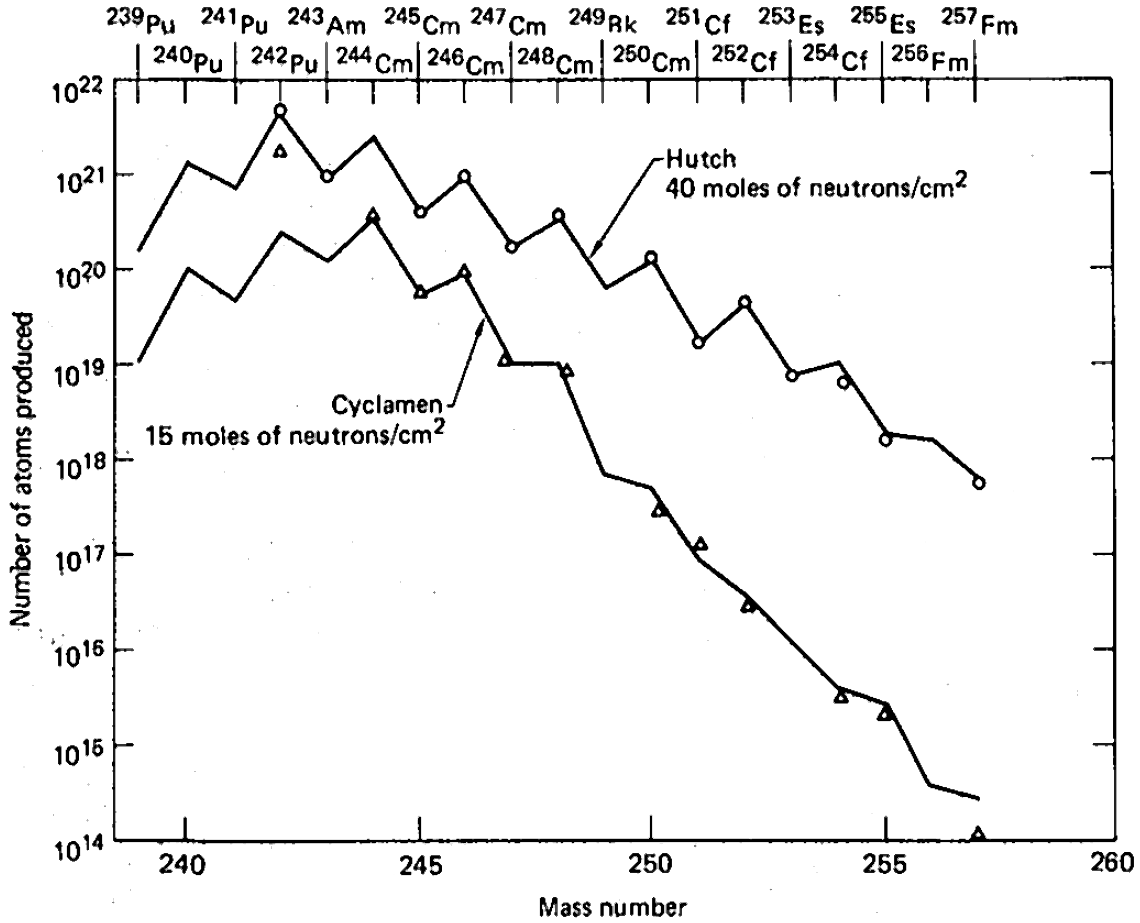
Fermium is produced by exposing lighter actinides to intense neutron fluxes or by particle bombardment. Typical routes include neutron capture on plutonium or other transuranic targets, followed by beta decay and successive captures. It was first identified in material generated by nuclear detonations and later synthesized in research reactors and accelerators. Common production techniques include:
- Neutron irradiation of heavy elements such as plutonium in reactors.
- Heavy-ion bombardment and accelerator-driven fusion reactions.
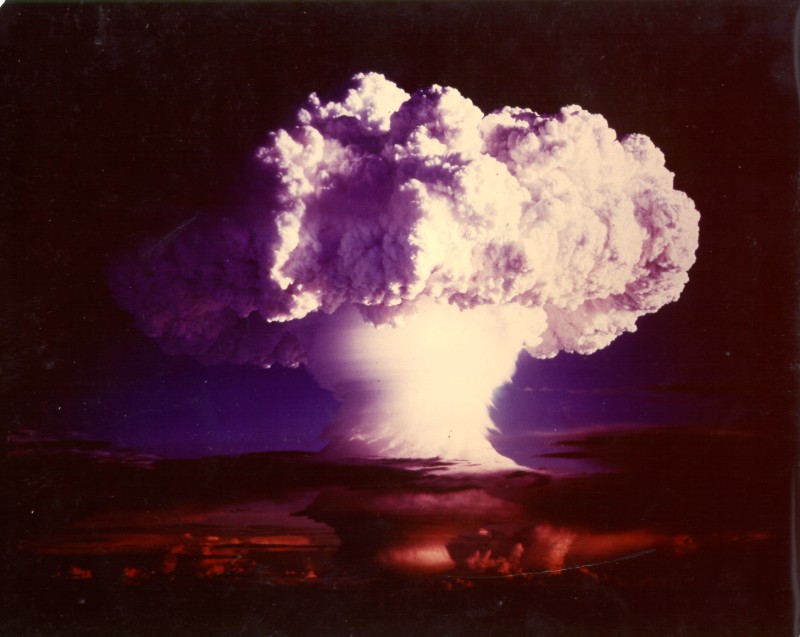
- Separation from debris of high-yield nuclear tests using radiochemical methods.
Fermium has multiple isotopes whose half-lives vary from very short to a few months for the longest-lived species; this constrains how it can be collected and studied.
History and discovery
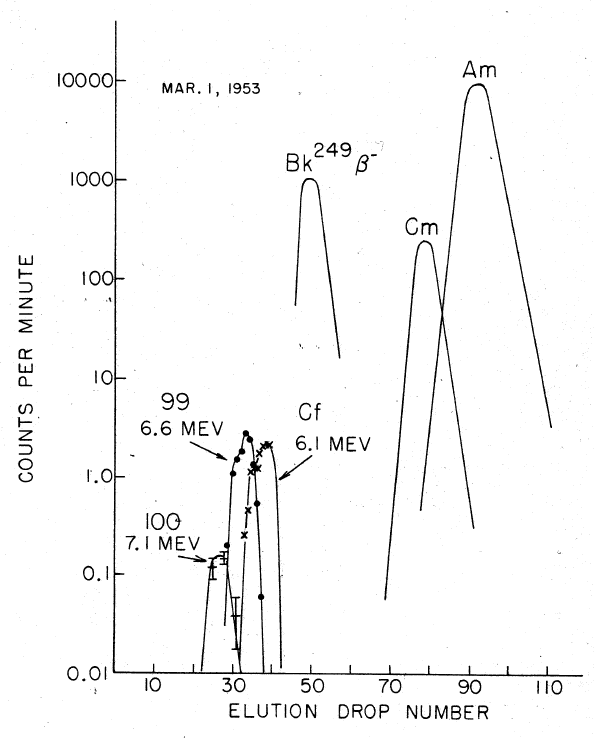
Fermium was first detected in the debris from early thermonuclear tests and subsequently produced and isolated in laboratory settings. Due to the element's origin in nuclear tests, initial discoveries were subject to secrecy and later confirmed by independent laboratory synthesis. The name recognizes Enrico Fermi's contributions to nuclear physics and the development of reactor technology.
Uses, significance and safety
There are no commercial or industrial uses for fermium because of its extreme rarity and radioactivity. Its value is primarily scientific: it helps researchers study nuclear reactions, the chemistry of heavy elements, and the limits of nuclear stability. Handling fermium requires specialized radiochemical facilities, remote manipulators and strict safety controls to limit radiation exposure from decay products and spontaneous fission (neutrons emitted in some decays).
Further reading
For general context on chemical elements and heavy elements, see introductions to the concept of a chemical element and resources on actinide chemistry. For laboratory methods and research summaries consult technical literature and specialized databases maintained by national laboratories and scientific institutions (Enrico Fermi is a useful historical reference in nuclear science literature).
Additional technical reports and experimental studies can be found through academic and government collections that document the synthesis, separation, and measurement of fermium isotopes (plutonium, periodic table, 100).
Related articles
Author
AlegsaOnline.com Fermium — synthetic actinide element (symbol Fm, atomic number 100) Leandro Alegsa
URL: https://en.alegsaonline.com/art/34038