
Ethiopian Airlines Flight 302
Fatal crash of a Boeing 737 MAX 8 near Bishoftu, Ethiopia on 10 March 2019 that killed 157 and triggered global groundings, investigations, and changes to aircraft certification and training.
Overview
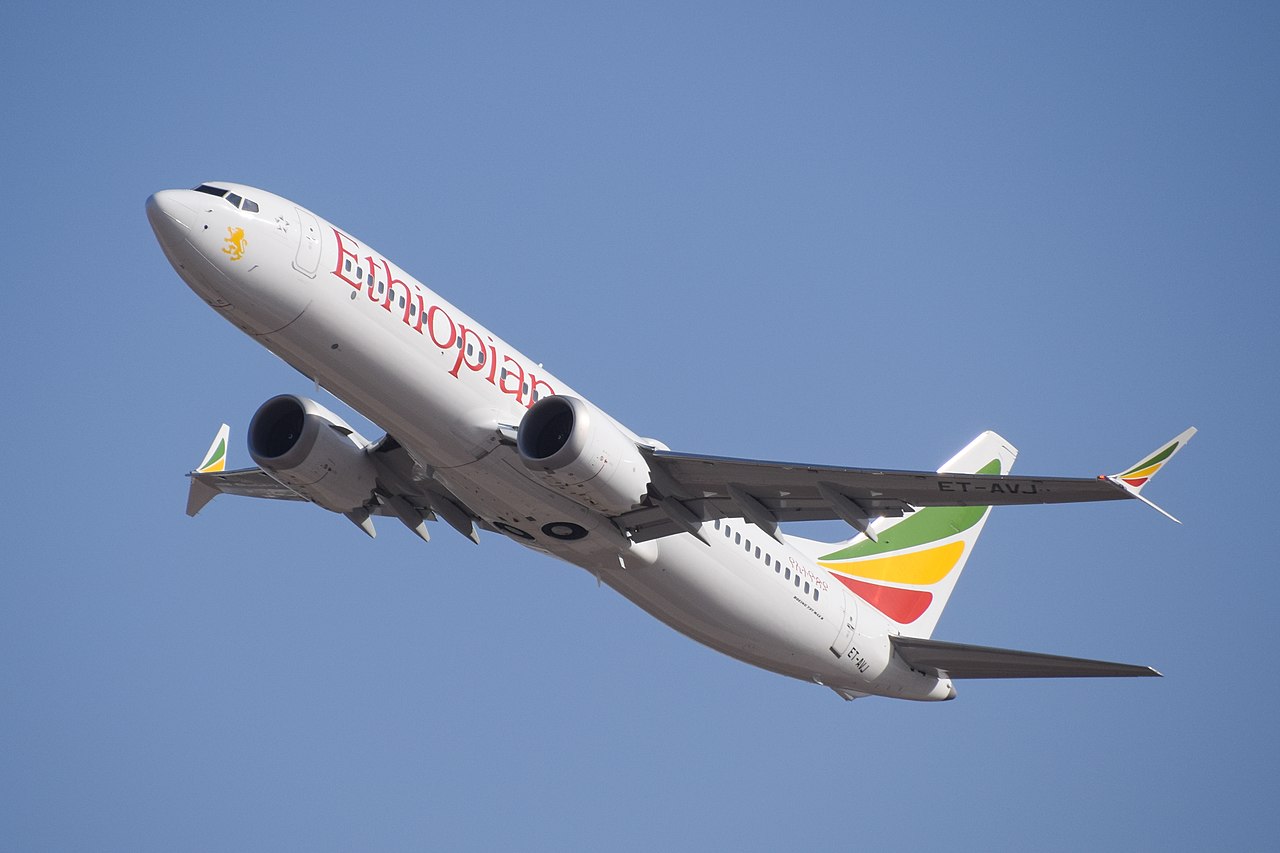
On 10 March 2019 Ethiopian Airlines Flight 302, a scheduled international service from Addis Ababa Bole International Airport to Jomo Kenyatta International Airport in Nairobi, Kenya, crashed shortly after takeoff. The aircraft, a Boeing 737 MAX 8, impacted near the town of Bishoftu in the Oromia Region. All 157 passengers and crew on board were killed. The accident attracted immediate international attention because it echoed another fatal accident involving the same aircraft type the previous year.
Image gallery
4 Images


Sequence and aircraft characteristics
The flight departed Addis Ababa and lost contact with air traffic control about six minutes after takeoff. The Boeing 737 MAX family is a single-aisle airliner introduced with aerodynamic and engine changes from earlier 737 models; it incorporated a flight-control feature known as the Maneuvering Characteristics Augmentation System (MCAS). Investigators examined flight data, recorded cockpit voice recordings and maintenance records to reconstruct the events leading to the loss of control.
Casualties and notable passengers
The crash resulted in 157 fatalities, including passengers and crew from multiple countries. Among those killed were prominent individuals such as Nigerian-Canadian writer and academic Pius Adesanmi and Italian archaeologist and politician Sebastiano Tusa. Families and governments worldwide were affected, and the international community followed the recovery and identification efforts closely.
Investigation and findings
Investigations were led by the Ethiopian Civil Aviation Authority with technical support and participation from several parties, including manufacturers and other national agencies. Early scrutiny focused on similarities to the October 2018 crash of Lion Air Flight 610, which also involved a 737 MAX 8. Evidence gathered during the inquiry identified issues with repeated automated nose-down trim commands driven by erroneous sensor input, and how the aircraft’s automated systems and pilot procedures responded to them.
Aftermath, regulatory response and safety changes
In the weeks after the accident many civil aviation authorities and airlines grounded 737 MAX aircraft pending review. Regulators and Boeing later mandated a series of software updates, changes to pilot training and operating procedures, and improved sensor redundancy. After a prolonged grounding and regulatory review, the type returned to commercial service only after authorities were satisfied with design changes and additional crew training requirements.
Significance and lessons
- Flight 302 accelerated global attention on aircraft certification processes, the interaction between automated systems and human pilots, and manufacturer‑regulator oversight.
- The accident prompted legal, operational and technical responses across the aviation industry aimed at preventing similar failures.
- It also highlighted the international nature of modern air travel: investigations and policy changes involved multiple countries and agencies working together.
For further institutional and technical reports, official investigation releases and regulatory documents from the investigating authorities provide the detailed technical record of findings and corrective actions.
Related references: Ethiopia.
Related articles
Author
AlegsaOnline.com Ethiopian Airlines Flight 302 Leandro Alegsa
URL: https://en.alegsaonline.com/art/32383
Sources
- flightradar24.com : "Flightradar24 data regarding the crash of Ethiopian Airlines flight 302" · web.archive.org
- today.ng : Pius Adesanmi dies in Ethiopian Airlines plane crash
- lasicilia.it : Schianto Boeing Etiopia, assessore Tusa a bordo. Dal Kenya: "Nessun sopravvissuto"
- planespotters.net : "ET-AVJ Ethiopian Airlines Boeing 737-8 MAX"
- active.boeing.com : "Boeing Commercial Airplanes – Orders and Deliveries – 737 Model Summary"