
Eurovision Song Contest 2009 — Moscow
The 54th Eurovision Song Contest took place in Moscow in May 2009. Forty-two countries competed; Norway's Alexander Rybak won with "Fairytale" after two semi-finals and a televised grand final.
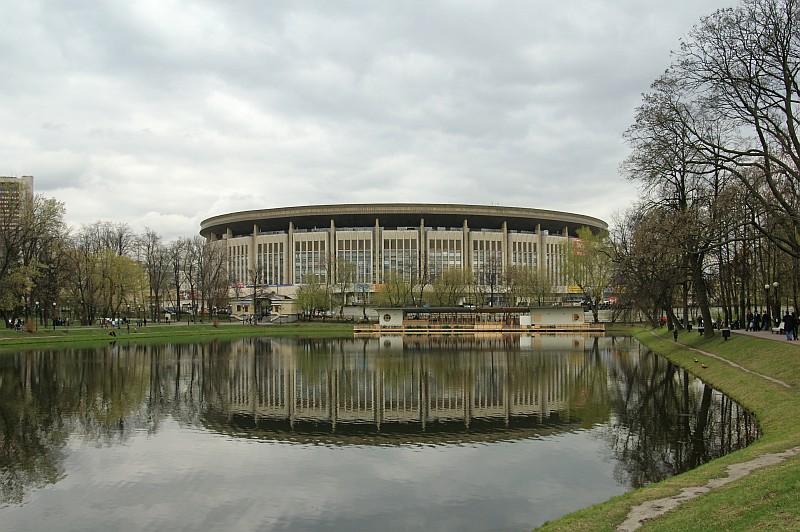
The Eurovision Song Contest 2009 was the 54th edition of the annual international song competition. Organized in Moscow, Russia, the event followed Russia's victory in 2008 and was staged at the city's large indoor arena. The televised programme unfolded over two semi-finals on May 12 and May 14 and a grand final on May 16, 2009. The contest concluded with a dominant win for Norway's Alexander Rybak and his song Fairytale, a pop‑folk performance featuring a prominent violin line.
Image gallery
4 Images


Format and voting
The 2009 contest used the multi-stage format established in recent years: two semi-finals to determine qualifiers, plus a final featuring entries that qualified directly and those that advanced from the semis. Each semi-final produced ten finalists, with most spots filled by public televote and a jury-selected wildcard to balance popular and professional opinion. In the final, participating countries awarded points to other nations' songs via the standard Eurovision points system, producing a ranked scoreboard that determined the overall winner.
Participants and notable entries
Forty-two countries entered the competition in 2009. Several changes in the lineup were noteworthy: Slovakia returned to the contest after an extended absence, marking its comeback after more than a decade away. By contrast, Georgia did not take part following a dispute with the contest organisers over the political nature of its intended entry, and San Marino also did not participate that year. The field included a mix of established Eurovision performers and newcomers, representing a broad variety of musical styles across Europe and beyond.
Winner and legacy
Alexander Rybak's victory for Norway was one of the most talked‑about outcomes of the year. His song combined catchy pop hooks with folk instrumentation and an energetic stage presentation, helping it resonate widely with viewers and juries. The win had a lasting impact on the contest's popular memory: the performance and the tune quickly became among the more recognisable Eurovision entries of the late 2000s, and it influenced how future acts incorporated traditional elements into contemporary pop arrangements.
Controversies and notable facts
Beyond musical results, the 2009 contest attracted attention for several organisational and political points. The host selection, participation decisions by broadcasters, and the vetting of entries highlighted the ongoing tensions that can surround a high-profile international broadcast. The competition also continued to evolve technically and televisually, using elaborate staging and production values to showcase performances to a global audience.
Further reading and official pages
- Official contest overview
- Host city information: Moscow
- Host country: Russia
- About Dima Bilan (2008 winner)
- 2008 contest recap
- Semi-final 1 details (May 12)
- Semi-final 2 details (May 14)
- Grand final details (May 16)
- Alexander Rybak profile
- Norway at Eurovision
- Slovakia's return to the contest
- San Marino and Eurovision participation notes
- Georgia's withdrawal and related statements
Questions and answers
Q: What was the Eurovision Song Contest 2009?
A: The Eurovision Song Contest 2009 was the 54th Eurovision Song Contest.
Q: Where was the Eurovision Song Contest 2009 held?
A: The Eurovision Song Contest 2009 was held in Moscow, Russia.
Q: Who won the Eurovision Song Contest 2008 for Russia?
A: Dima Bilan won the Eurovision Song Contest 2008 for Russia with his song Believe.
Q: When did the semi finals for the Eurovision Song Contest 2009 take place?
A: The semi finals for the Eurovision Song Contest 2009 took place on May 12 and May 14.
Q: Who won the Eurovision Song Contest 2009?
A: Alexander Rybak for Norway won the Eurovision Song Contest 2009 with his song Fairytale.
Q: How many countries took part in the Eurovision Song Contest 2009?
A: 42 countries took part in the Eurovision Song Contest 2009.
Q: Which countries from last year did not appear in the Eurovision Song Contest 2009?
A: San Marino and Georgia, two countries from last year, did not appear in the Eurovision Song Contest 2009.
Related articles
Author
AlegsaOnline.com Eurovision Song Contest 2009 — Moscow Leandro Alegsa
URL: https://en.alegsaonline.com/art/32647
Sources
- eurovision.gen.tr : Eurovision Fun Clup ESC