
Addis Ababa (Addis Abeba, Finfinne)
Addis Ababa is the capital of Ethiopia and a major African diplomatic, cultural and economic center, known for its highland setting, international institutions and diverse urban life.
Overview
Addis Ababa is the capital city of Ethiopia and the country's political, economic and cultural center. Its name means "new flower" in Amharic; the Oromo name for the area is Finfinne. Located on the Ethiopian highlands at an elevation above 2,300 metres, the city combines administrative functions with a role as a regional diplomatic hub. It is best known internationally for hosting the headquarters of the African Union and several United Nations and continental agencies.
Image gallery
10 Images


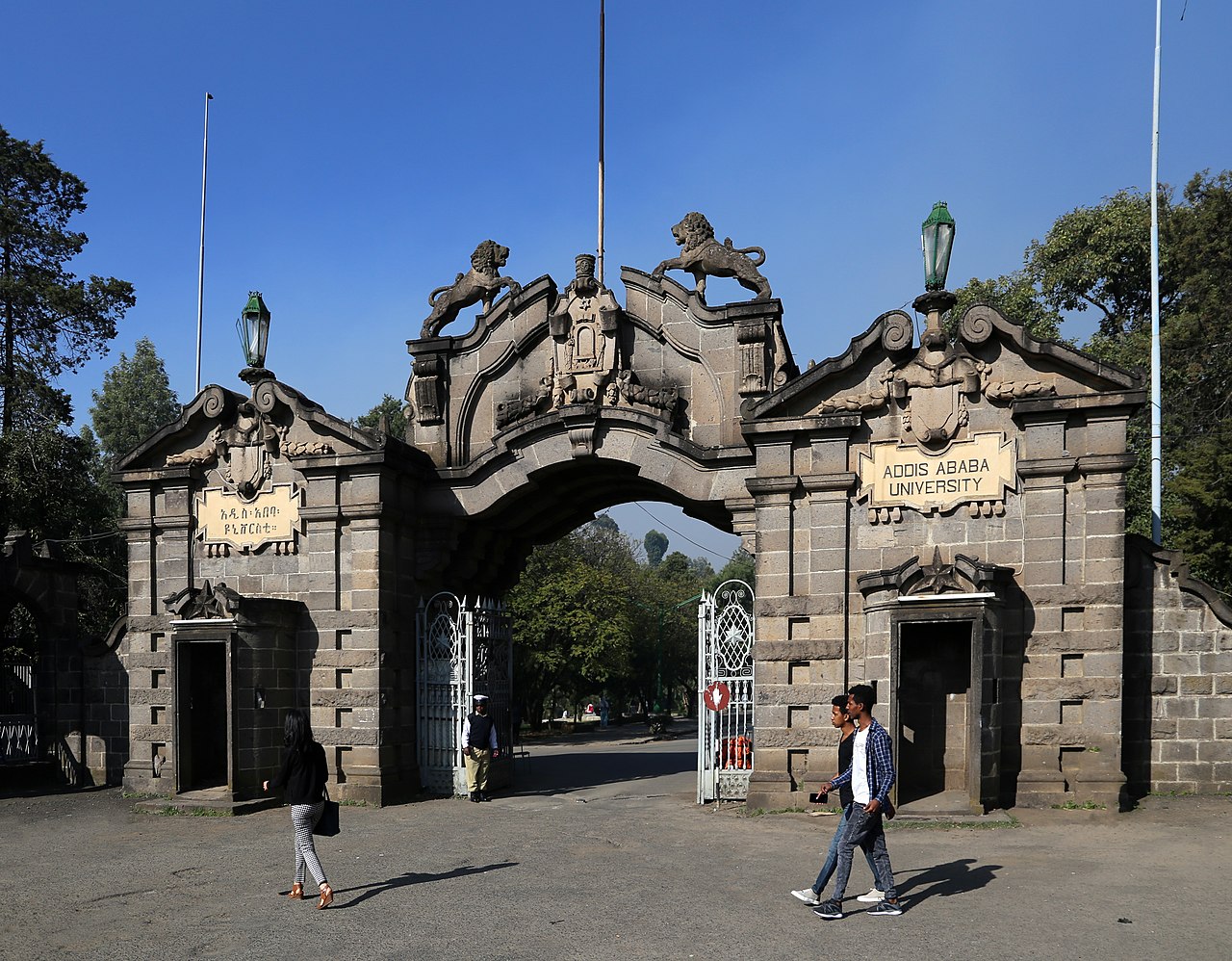


Geography and urban character
Addis Ababa occupies a series of hills and plateaus in central Ethiopia, producing a temperate climate compared with lower-lying regions. The urban form mixes dense commercial districts, residential neighborhoods, public parks and market areas. Modern infrastructure—roads, a light rail system and international airport—connects the city to domestic regions and global routes. Urban expansion and informal settlements are ongoing challenges for planners and residents.
History and development
The city developed in the late 19th century under Emperor Menelik II and Empress Taytu, who selected the site as a new imperial capital. Since then Addis Ababa has grown from an imperial outpost into a national capital and a symbol of Ethiopian sovereignty and modernization. It preserves historical sites alongside newer government buildings, educational institutions and cultural venues.
Institutions, economy and landmarks
As Ethiopia's administrative heart, Addis Ababa is home to ministries, the national parliament and major universities. It also hosts international organizations and dozens of foreign embassies, making it a center for diplomacy and conferences. Notable places include:
- National Museum (where early hominid remains have been exhibited)
- Holy Trinity Cathedral and other historic churches
- Mercato, one of Africa's largest open-air markets
- Government precincts, university campuses and cultural museums
Culture, society and significance
The city is ethnically and linguistically diverse, with communities speaking Amharic, Oromo and many other languages. It is a focal point for Ethiopian music, cuisine and festivals, and attracts internal migrants seeking education and work. Addis Ababa's international role—hosting continental institutions and major summits—gives it importance beyond national borders, while local residents engage with everyday urban concerns such as housing, transport and public services.
Contemporary issues
Rapid population growth and economic change create pressures on services, housing and the environment. Urban planning, expansions of public transit and investments in cultural and economic infrastructure are ongoing responses. Addis Ababa remains a key city for understanding Ethiopia's politics, culture and its place in Africa.
Related articles
Author
AlegsaOnline.com Addis Ababa (Addis Abeba, Finfinne) Leandro Alegsa
URL: https://en.alegsaonline.com/art/921
Sources
- csa.gov.et : "Census 2007, preliminary (pdf-file)"
- travel.state.gov : "Ethiopia"
- ethiopar.net : "FDRE States: Basic Information, Oromia" · web.archive.org