
Jomo Kenyatta International Airport (Nairobi) — overview, facilities, and history
Major international airport serving Nairobi, Kenya. Overview of location, codes, terminals, history, airlines, transport links, development projects and regional importance.
Overview
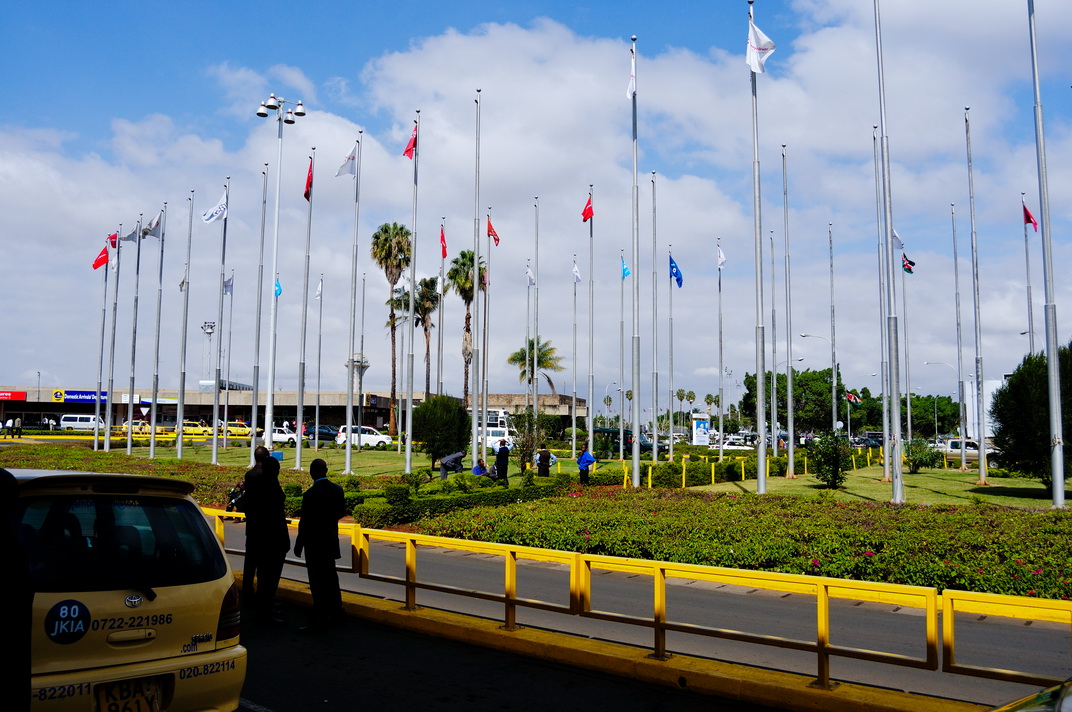
Jomo Kenyatta International Airport (commonly abbreviated as JKIA) is the principal international gateway for Kenya and one of East Africa's busiest airports. It sits in the Embakasi suburb about 15 kilometres southeast of Nairobi's central business district and handles scheduled services to destinations across Africa, Europe, the Middle East and Asia. The airport is identified in many operational and travel resources by its codes; see IATA listings and ICAO information for technical details. JKIA functions as the primary hub for Kenya Airways and as an important transit and cargo node for the region.
Image gallery
10 Images






Facilities and layout
The airport complex comprises passenger terminals, cargo facilities and multiple runways capable of handling wide-body aircraft. Passenger services include check-in halls, departure lounges, customs and immigration processing, retail and food outlets, and dedicated areas for VIP and diplomatic traffic. Cargo infrastructure supports air freight and logistics operators, making the airport a centre for both perishable and general cargo moved to and from East Africa. Groundside facilities provide long- and short-term parking, vehicle access roads and connections to urban transit links.
History and name
Originally called Embakasi Airport when it was developed, the facility was renamed Jomo Kenyatta International Airport in 1978 in honour of Kenya's first prime minister and president. Over decades JKIA has grown from a regional airfield into a major international airport through successive phases of runway, apron and terminal upgrades. Its evolution reflects Nairobi's development as a political, commercial and transport hub in East Africa.
Operations, airlines and traffic
JKIA serves scheduled and charter carriers and connects Nairobi with over 50 countries. Kenya Airways operates a significant number of flights and uses the airport as its principal hub; numerous foreign carriers also maintain services to Nairobi. Passenger traffic has varied over time; for example, the airport handled more than seven million passengers in 2016. The mix of passenger and freighter operations gives JKIA an important role in regional tourism, business travel and international trade.
Ground transport and access
The airport is linked to Nairobi by road and by public and private transport services, including shuttle buses, taxis and ride-hailing services. Plans and projects to improve rail or rapid transit access have been discussed to reduce road congestion and shorten journey times to the city centre. Short-term parking, long-stay lots and drop-off zones are arranged to serve different traveler needs, and car rental companies operate on site and nearby.
Development, significance and challenges
JKIA is central to Kenya's aviation strategy and to East African connectivity, supporting tourism, diplomacy and commerce. Authorities and airport operators have pursued modernization and expansion programs to increase capacity, improve passenger experience and upgrade cargo handling. Like many major airports, JKIA faces operational challenges that include peak-period congestion, security demands, and the need to balance environmental and community impacts. Information on planning and current projects can be found through official sources and aviation authorities; for general reference see air transport resources and materials relating to Kenya's transport planning at national information portals.
Related articles
Author
AlegsaOnline.com Jomo Kenyatta International Airport (Nairobi) — overview, facilities, and history Leandro Alegsa
URL: https://en.alegsaonline.com/art/50979
Sources
- kaa.go.ke : "Passenger and Cargo Traffic-April 2018" · web.archive.org
- iata.org : "JKIA's Contribution to economy"
- info.flightmapper.net : "Jomo Kenyatta, Nairobi (NBO) flight index" · web.archive.org
- standardmedia.co.ke : "JKIA passenger numbers hit record high" · web.archive.org
- twitter.com : "AfroVisual Data "Africa's Top 10 Busiest Airports in 2016""