
European migrant crisis: causes, response and consequences
A neutral overview of the European migrant crisis: origins, main migration routes, policy responses, humanitarian impact and longer-term political effects across the EU.
Overview
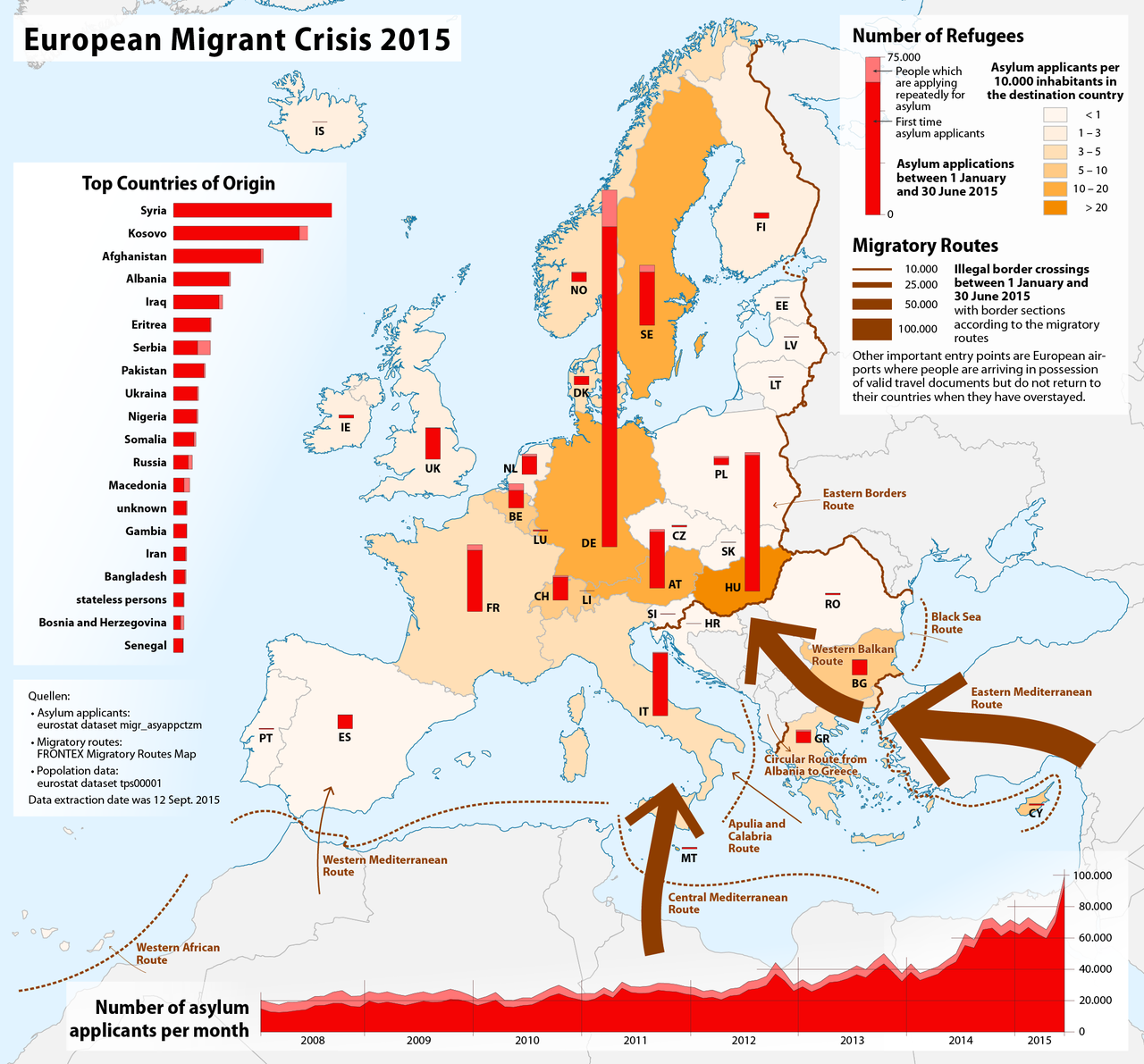
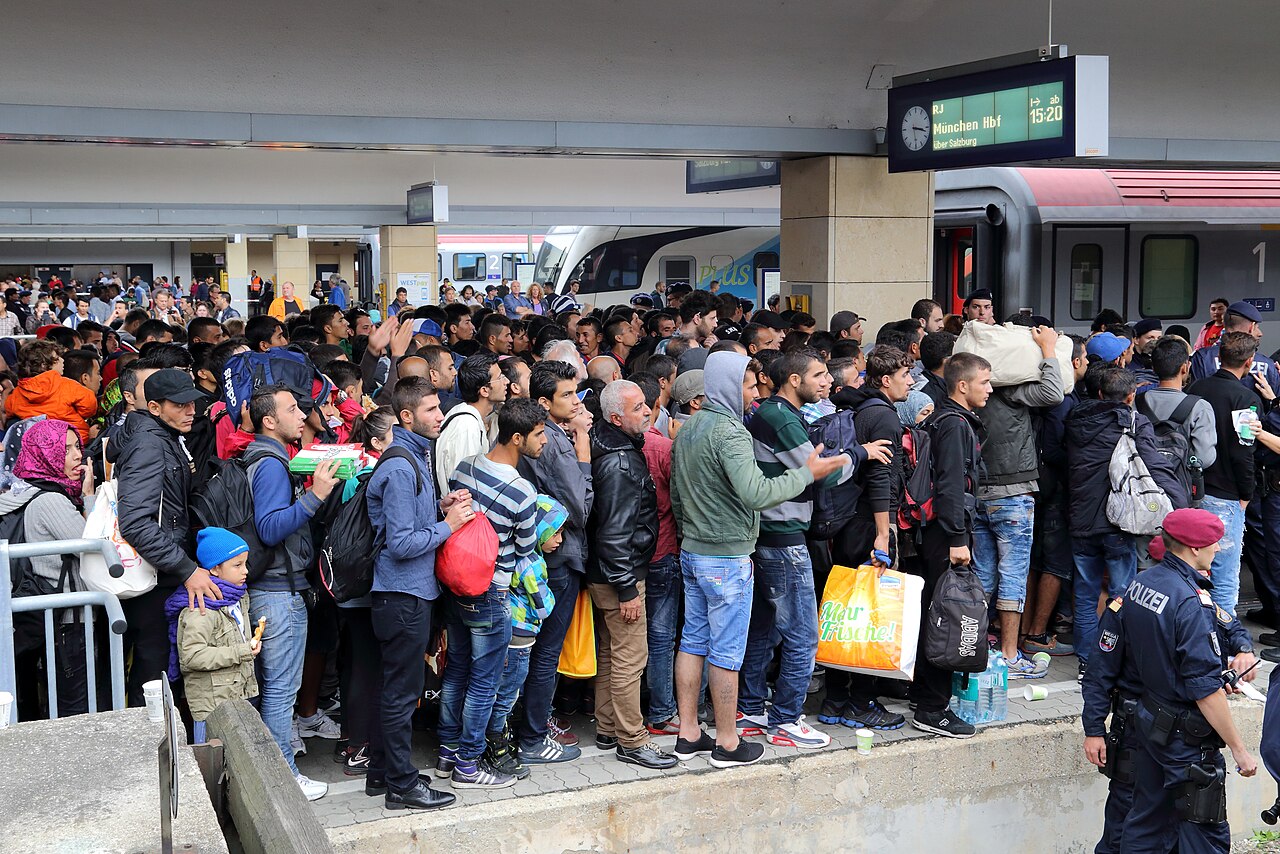
The term "European migrant crisis" describes a period from the early 2010s that intensified in 2015, when a large number of people seeking asylum or safer living conditions arrived in Europe. More than a million people crossed into the continent in 2015, putting pressure on national services and creating political debate across the European Union. The movement included refugees fleeing war and persecution as well as migrants pursuing economic opportunity.
Image gallery
10 Images




Causes and migration paths
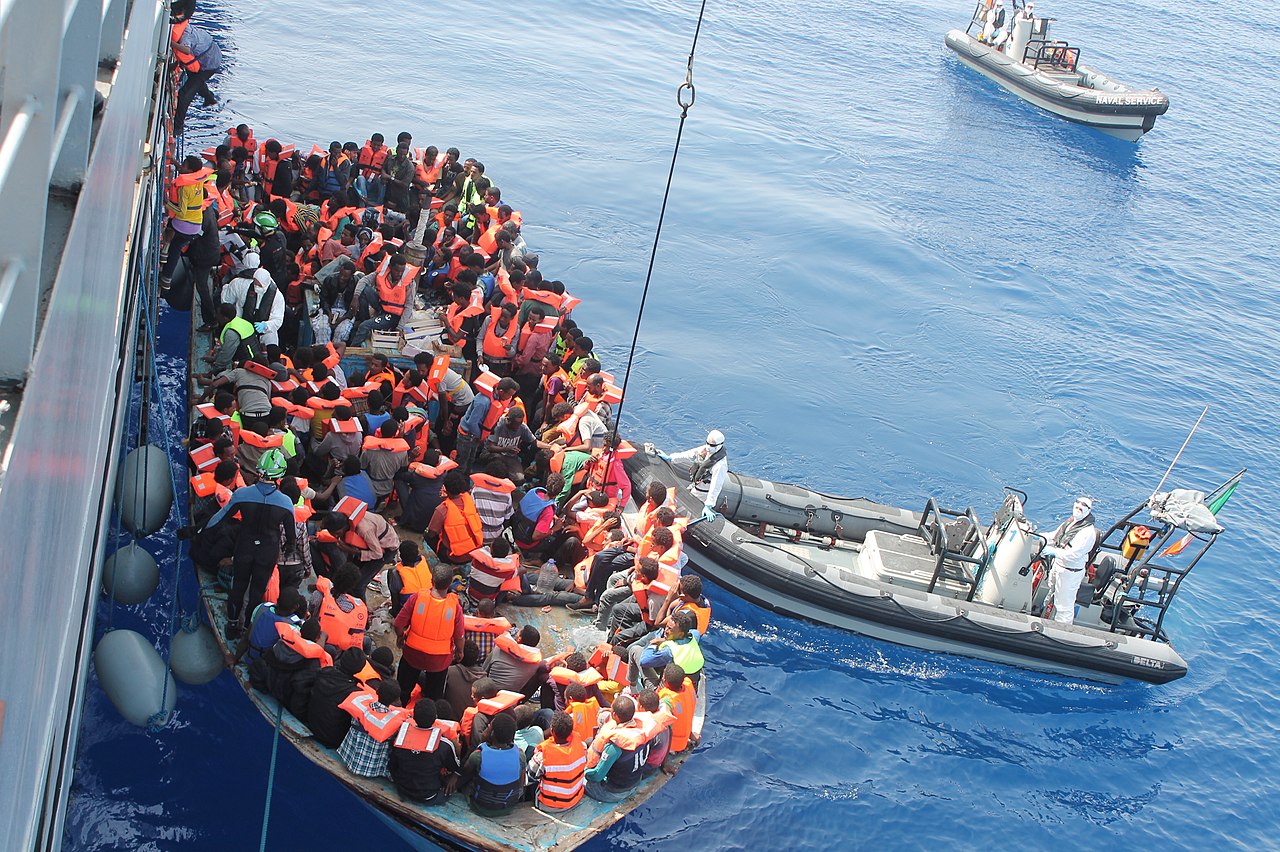
Several overlapping factors drove the arrivals: armed conflict (notably in Syria and other countries), political instability, human rights abuses, poverty and established migration networks. People travelled by land and sea along several well-known routes: across the central and eastern Mediterranean, via the Aegean Sea from Turkey to Greece, and overland through the Balkans.
How states and institutions reacted
European governments and EU institutions used a mix of immediate humanitarian measures and longer-term policy tools. Responses included reception centres (so-called hotspots), border controls, registration and asylum procedures, and coordinated efforts by agencies such as Frontex. The crisis also exposed limits and controversies in existing rules — for example the Dublin system for determining asylum responsibility — and prompted proposals for relocation quotas and readmission agreements.
Humanitarian and social effects
The large movements strained reception capacity, often creating difficult conditions in camps and transit locations. Non-governmental organisations, municipal authorities and volunteer groups played a major role in search-and-rescue operations, legal assistance and local integration efforts. The situation also heightened public debate about refugee protection, social cohesion and resource allocation.
Political consequences and notable events
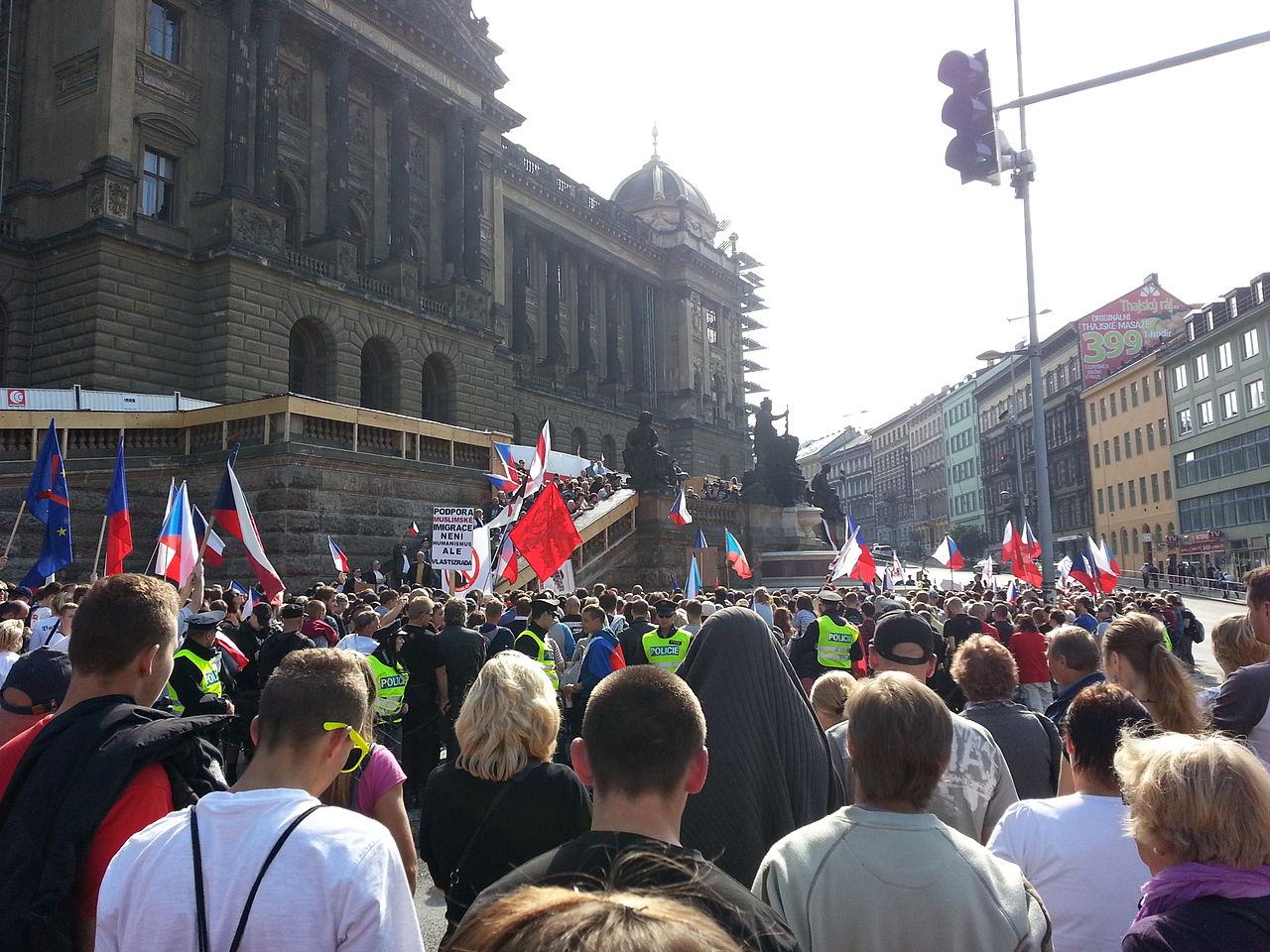
The crisis amplified divisions within the EU over burden-sharing and national sovereignty. It contributed to tighter external border management, the 2016 EU–Turkey statement aimed at reducing crossings, and gave momentum to both pro-refugee advocacy and to political movements calling for stricter immigration controls. Critics and supporters debated the balance between human protection obligations and practical capacity.
Further information
For contemporary reporting and background, see primary and institutional sources linked from trusted outlets: data and reporting on arrivals and broader analysis of the policy debate on the crisis and its consequences.
Related articles
Author
AlegsaOnline.com European migrant crisis: causes, response and consequences Leandro Alegsa
URL: https://en.alegsaonline.com/art/32617