
Ethnic cleansing: definition, methods, history and legal distinctions
Ethnic cleansing is the coercive removal of an ethnic or religious group from a territory. This article explains its aims, common methods, historical development, legal status, and distinctions from related crimes.
Overview
Ethnic cleansing refers to actions intended to remove an ethnic, national, racial or religious community from a particular area. The objective is territorial or demographic: to make a region homogeneous by driving out, displacing, or eliminating members of a targeted group. The term is used in political, historical and legal contexts to describe campaigns that rely on intimidation, force, or organized violence.
Image gallery
10 Images






Common methods and practices
Practices associated with ethnic cleansing vary but share the aim of expulsion or elimination. They can include:
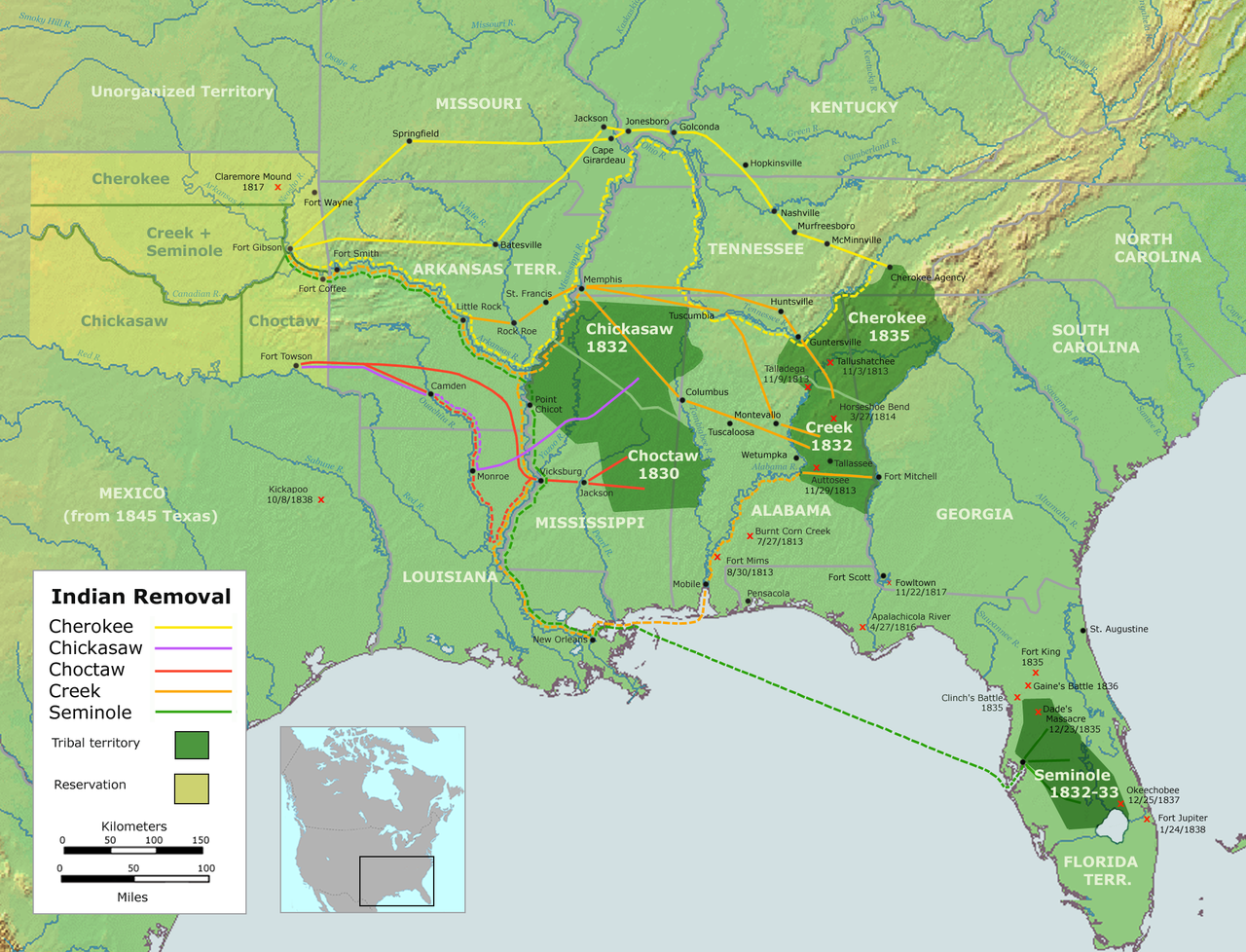
- Forced population transfers and mass deportations, sometimes organized by state authorities.
- Systematic threats, harassment and intimidation designed to make life intolerable for the targeted group.
- Violence such as killings, sexual violence, and destruction of homes and cultural sites.
- Legal and administrative measures that deny rights, property or access to services.
Descriptions of perpetrators and victims often refer to an ethnic group or a religious group; actions can involve forced movement (forced relocation) or formal deportation. Sexual violence (for example, rape) and mass killing (mass murder) are among the severe tactics that have occurred in some campaigns.
History and development
The term "ethnic cleansing" became widely used in the late 20th century to describe violent population removals associated with wars and state collapse, though forced expulsions have a long history. Scholars trace modern usage to conflicts that combined military operations, paramilitary violence and political policies aimed at demographic change. Over time international bodies, courts and human rights organizations have documented and analyzed these episodes.
Legal status and distinctions
Ethnic cleansing itself is not always a single distinct crime in international law, but many acts that make up ethnic cleansing may constitute war crimes, crimes against humanity or genocide. Genocide has a specific legal definition that requires intent to destroy, in whole or in part, a protected group; therefore some campaigns of ethnic cleansing meet that threshold while others are prosecuted under different statutes. Legal and scholarly debate continues about terminology and classification.
Importance and prevention
Understanding ethnic cleansing is important for historical truth, justice and prevention. Early warning, protection of vulnerable populations, independent investigation and accountability mechanisms are central to responses. Documenting patterns—political motives, methods and impacts—helps policymakers, courts and civil society work to prevent recurrence and to provide remedies to survivors.
Questions and answers
Q: What is ethnic cleansing?
A: Ethnic cleansing is when an ethnic or religious group is forced to leave a particular area by another ethnic group, using various methods such as deportation, threat, rape, and mass murder.
Q: What is the aim of ethnic cleansing?
A: The goal of ethnic cleansing is to remove one ethnic group from a specific geographical region.
Q: What are the possible ways to force people to move during an ethnic cleansing?
A: During an ethnic cleansing, people may be forced to move through deportation, threats, rape, and mass murder.
Q: What is ethnic genocide, and how does it relate to ethnic cleansing?
A: Ethnic genocide is a type of ethnic cleansing, but not all ethnic cleansing cases constitute ethnic genocide.
Q: What kinds of groups are affected during ethnic cleansing?
A: Ethnic or religious groups are targeted during ethnic cleansing.
Q: What are some common tactics used in ethnic cleansing, besides forceful removal?
A: Alongside forceful removal, ethnic cleansing may also involve the use of intimidation, rape, and mass murder.
Q: What are the consequences of ethnic cleansing?
A: Ethnic cleansing can lead to severe consequences, such as displacement, loss of lives, and destruction of property. It also causes long-term psychological effects on the affected individuals and communities.
Related articles
Author
AlegsaOnline.com Ethnic cleansing: definition, methods, history and legal distinctions Leandro Alegsa
URL: https://en.alegsaonline.com/art/32390
Sources
- jstor.org : Schindler's Fate: Genocide, Ethnic Cleansing, and Population Transfers
- un.org : Report of the Commission of Experts Established Pursuant to United Nations Security Council Resolution 780 (1992)
- hudoc.echr.coe.int : Case of Jorgic v. Germany: Judgment
- dx.doi.org : 10.1093/ejil/chh509
- ejil.org : The Interaction of National and International Approaches in the Repression of International Crimes.
- icty.org : "About the ICTY"
- icc-cpi.int : Rome Statute of the International Criminal Court
- icty.org : Updated Statute of the International Criminal Tribunal for the Former Yugoslavia
- heinonline.org : The International Criminal Tribunal for the Former Yugoslavia
- icc-cpi.int : Elements of Crimes
- sephardicstudies.org : "The Edict of Expulsion of the Jews (1492): Translated from the Castilian by Edward Peters"
- webcache.googleusercontent.com : "A Brief History of Ethnic Cleansing"
- constitution.org : Act for the Settlement of Ireland.
- questia.com : Rewriting Cromwell – A Case of Deafening Silences.