
Clinical trial
A clinical trial is a structured research study that evaluates safety and effectiveness of medical treatments, devices, or procedures in people under controlled conditions.
A clinical trial is a formal research study that tests medical interventions in people to evaluate safety, efficacy, dosing, or delivery. Trials are a required step to bring a new drug or medical product and new therapy or procedure into clinical use. Participants may be healthy volunteers or individuals affected by the target condition; enrollment depends on the trial's purpose and eligibility criteria.
Image gallery
6 Images




Typical design features
Well-designed trials use predefined methods to reduce bias and increase reliability. Common features include:
- Randomization — allocating participants by chance to different groups.
- Control groups — comparing the investigational intervention with a standard treatment or a placebo control.
- Blinding — keeping participants, clinicians, or evaluators unaware of group assignment to prevent expectation effects.
- Endpoints — predefined outcomes that determine whether the intervention is effective or safe.
Phases and purpose
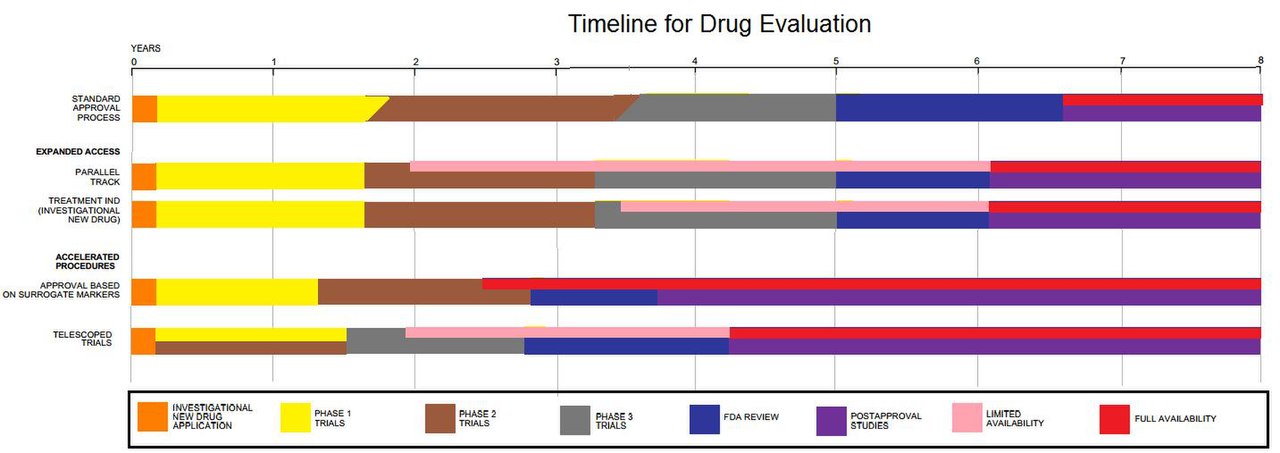
Clinical development is commonly described in phases: early phases focus on safety and dosing in small groups; later phases assess effectiveness and monitor adverse events in larger, more diverse populations. Postmarketing studies continue to monitor long-term safety and comparative effectiveness after approval.
Ethics, oversight and statistical considerations
Trials require informed consent, independent ethical review (institutional review boards or ethics committees), and regulatory authorization. Statistical planning—sample size, power, and analysis methods—must be set in advance because trials are inferential studies that use probability to decide whether observed differences are likely to be real rather than due to chance.
Uses and distinctions
Clinical trials are used in many areas, from vaccines and antibiotics to cancer therapies and medical devices. They differ from observational studies, which describe outcomes without assigning interventions. Transparent reporting, trial registration, and data monitoring boards help protect participants and improve the credibility of results.
Well-conducted clinical trials are central to evidence-based medicine: they inform guidelines, regulatory decisions, and clinical practice by providing systematic evidence about benefits, harms, and optimal use of interventions.
Questions and answers
Q: What is a clinical trial?
A: A clinical trial is a vital procedure to test new drugs or therapies before they are released to the public.
Q: Who takes part in a clinical trial?
A: Volunteers or patients with a disease are enrolled in a clinical trial.
Q: What are the types of treatments that participants in a clinical trial receive?
A: Participants either receive the actual drug or therapy being tested, or they receive a placebo that has no effect.
Q: How are clinical trials conducted?
A: Clinical trials are statistical tests and involve a study design.
Q: Why are clinical trials important?
A: Clinical trials are essential to determine the effectiveness and safety of new drugs or therapies for diseases.
Q: Who benefits from clinical trials?
A: Patients who benefit from new treatments, and healthcare professionals who use these treatments, benefit from clinical trials.
Q: Can clinical trials determine if a new therapy or drug is safe?
A: Yes, clinical trials help to determine the safety of new treatments before they are released to the public.
Related articles
Author
AlegsaOnline.com Clinical trial Leandro Alegsa
URL: https://en.alegsaonline.com/art/21014
Sources
- bruzelius.info : "James Lind: A Treatise of the Scurvy (1754)"