
Amapá: Brazil’s Northern Rainforest State
Amapá is a sparsely populated, rainforest-covered state in northern Brazil bordering French Guiana and the Atlantic. It became a Brazilian state in 1988 and is important for biodiversity and mineral resources.
Overview
Amapá is one of the states of Brazil, located at the northern edge of the country. It shares an international boundary with French Guiana to the north, fronts the Atlantic Ocean on its eastern side, and meets the Brazilian state of Pará to the south and west. Much of Amapá remains covered by tropical rainforest, a portion of the greater Amazon biome.
Image gallery
6 Images


Geography and environment
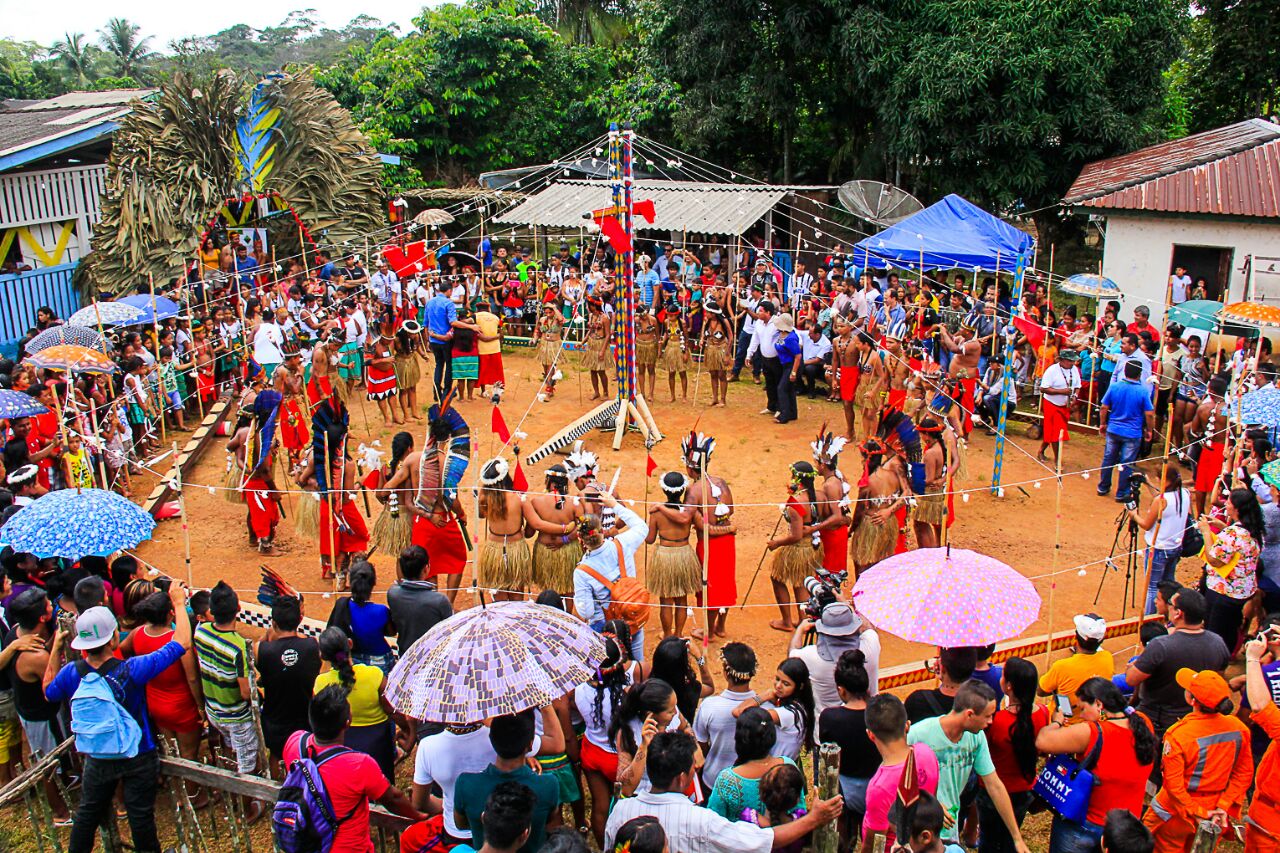
The state is characterized by low-lying coastal plains, river networks and dense forest. Large tracts of intact rainforest support high levels of biodiversity, including many species of plants, birds and freshwater fish. Wetlands and mangrove systems along the coast act as important nurseries for marine life and buffer zones against erosion. The environment is a major reason both for conservation efforts and for scientific interest in the region.
History and political development
Amapá's political status changed in the late 20th century: it was administered for a long period as a federal territory and was elevated to full statehood in 1988 (statehood 1988). That transition reflected growing local institutions and a desire for fuller representation within the federation. Prior to modern boundaries, the area was inhabited by diverse indigenous peoples and later saw colonial-era contact and contested frontier claims.
Economy and resources
The economy blends extractive activities with services and subsistence livelihoods. Amapá is known for mineral production, especially deposits of iron and other mineral resources noted as metals in broader descriptions. Forestry, fishing and small-scale agriculture are also economically important. Sustainable development and regulated extraction are ongoing policy priorities because of the region's ecological sensitivity. Scientific research, conservation projects and eco-tourism are growing complements to traditional sectors.
Notable features and contemporary issues
- Capital and largest city: Macapá, a city noted for lying near the Equator and for its riverine setting.
- Extensive protected areas seek to conserve rainforest and coastal habitats while supporting indigenous rights and biodiversity monitoring.
- Cross-border relations and transport links with neighboring territories influence commerce and conservation; the border with French Guiana is an example of an international frontier with shared environmental concerns.
- Challenges include balancing mineral development with habitat protection and improving infrastructure for widely dispersed communities.
Because most of Amapá is still covered by forest, the state figures prominently in national discussions about Amazon conservation and sustainable use of natural resources; its coastal position also gives it strategic importance for maritime activities and biodiversity along the Brazilian Atlantic fringe. Further reading can present updated figures and local initiatives through official and scientific sources (rainforest and conservation), while regional economic summaries provide more on mining and industry (iron) and (other minerals). For general reference on Brazil and its federative units see broader overviews of Brazil and administrative change documents including the event of 1988 (statehood).
Related articles
Author
AlegsaOnline.com Amapá: Brazil’s Northern Rainforest State Leandro Alegsa
URL: https://en.alegsaonline.com/art/3218