
Amazonas (Brazilian state): geography, rivers, people, economy and conservation
Amazonas is Brazil's largest state, home to vast rainforest, the Amazon River basin, Manaus, diverse Indigenous peoples, and important conservation and economic zones.
Amazonas is the largest state in Brazil and occupies a majority of the country's northwestern Amazon Basin. The state holds enormous tracts of tropical rainforest, major river systems and extremely low population density outside a few urban centers. The capital and principal city is Manaus, an important river port and industrial hub.
Image gallery
10 Images


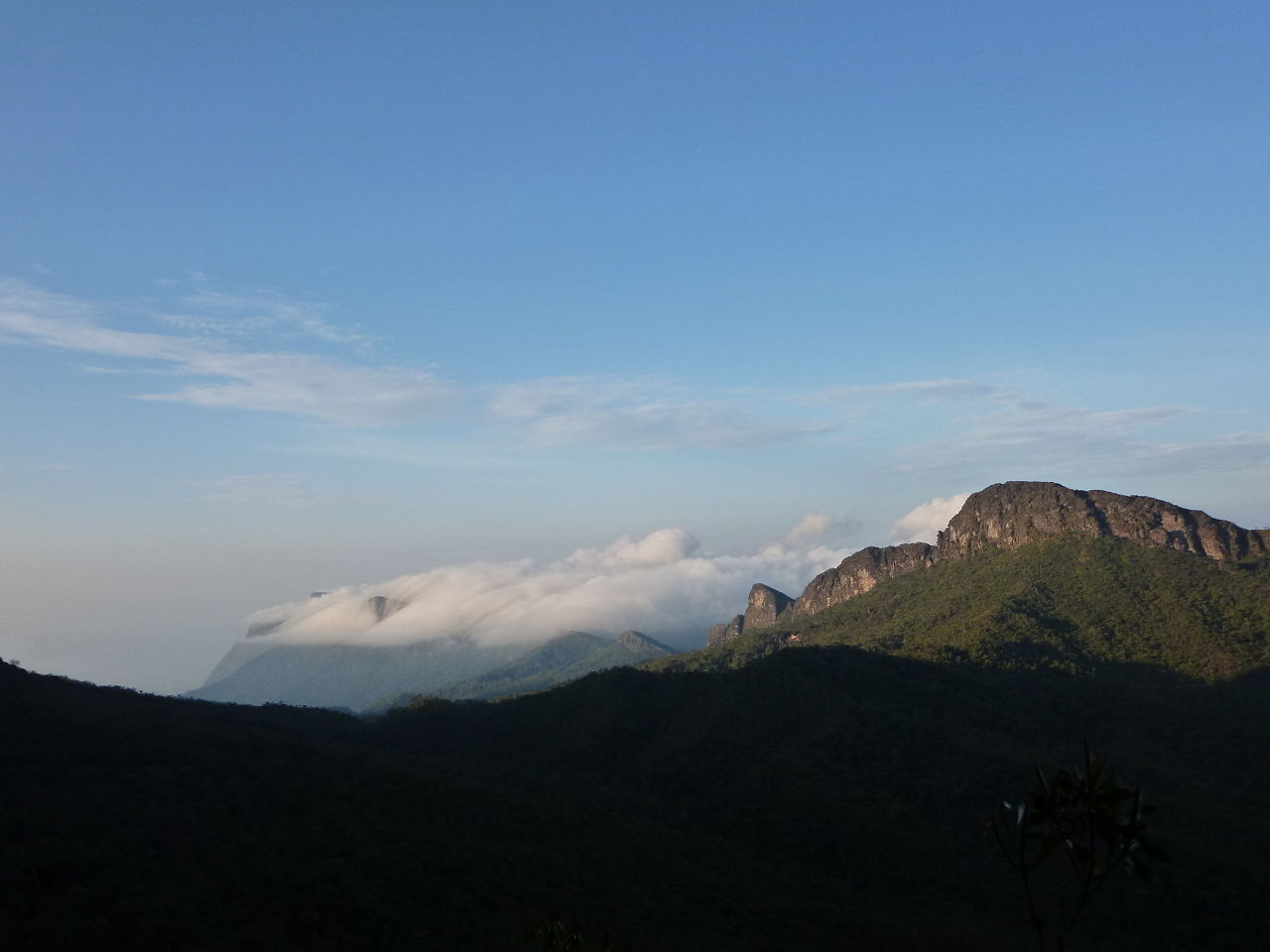


Geography and borders
Amazonas sits in Brazil's North Region and shares frontiers with several Brazilian states and neighboring countries. It adjoins Acre, Mato Grosso, Pará, Rondônia and Roraima. To the west and north it meets other South American nations across the forested border, including parts of Venezuela and Colombia. The state includes Brazil's highest peak, Pico da Neblina, which rises in the remote, largely protected highlands.
Rivers and environment
The state is dominated by the Amazon River and its many tributaries. Major waterways include the Amazon (often called Solimões in this region), the Rio Juruá-class tributaries, the Rio Negro, the Madeira, Purus, Japurá and other large rivers that structure transport, ecology and seasonal floodplain forests. These rivers sustain rich floodplain habitats, freshwater fisheries and high biodiversity.
Name, peoples and history
The name Amazonas evokes the classical Amazons legend and was applied by early European explorers; it also names the great river itself. The state has been home for millennia to numerous Indigenous peoples who continue to maintain languages, territories and traditional livelihoods. In the late 19th and early 20th centuries Manaus expanded rapidly during the rubber boom, leaving cultural landmarks that survive as reminders of that era.
Economy and uses
The regional economy mixes extractive activities, urban industry and services. Historically important sectors include mining, extraction of forest products and fishing. Modern industry is concentrated in the Manaus Free Economic Zone and other urban centers; industrial activity and manufacturing are notable components of local GDP (industry). Ecotourism, research and sustainable use projects have grown as global interest in the Amazon's ecological value has increased.
Conservation, challenges and notable facts
Large portions of Amazonas are conserved within national parks, indigenous territories and sustainable-use reserves, though pressures from illegal logging, land conversion and resource extraction persist. The state contains exceptional biodiversity and many endemic species. Manaus remains a striking example of Amazonian urbanization—reachable by long river journeys and by air—and cultural attractions such as historic theaters reflect its complex past.
- Location: Northern Brazil and the Amazon Basin (largest state, Brazil).
- Main city and hub: Manaus.
- Border states: Acre, Mato Grosso, Pará, Rondônia, Roraima.
- Neighboring countries across the forest: Venezuela, Colombia, and Peru (regionally).
- Notable site: Pico da Neblina.
- Historic and cultural links: Amazons legend and rubber-era heritage.
- Economic highlights: mining, fishing, and industry.
For further reading on Amazonas's geography, rivers, conservation and cultural history, authoritative regional and national sources can provide detailed maps, demographic data and legal frameworks for protected areas. The state's scale, ecological importance and cultural diversity make it a central subject in studies of the Amazon and tropical environmental policy.
Questions and answers
Q: What is Amazonas?
A: Amazonas is the largest state of Brazil.
Q: Where is Amazonas located and what countries/borders does it share?
A: Amazonas is located in the North Region of Brazil and it borders Acre, Mato Grosso, Pará, Rondônia, Roraima and some countries of Latin America.
Q: What is the highest part of Brazil and where is it located?
A: The highest part of Brazil is Pico da Neblina and it is located in Amazonas.
Q: What is the legend behind the name of Amazonas?
A: The name Amazonas is named after the Amazons legend, which is a mythical tribe of warrior women.
Q: What is the major river in Amazonas?
A: The major river in Amazonas is the Amazon River, which is the second longest river in the world.
Q: What are some other rivers found in Amazonas?
A: Other rivers found in Amazonas are Rio Juruá, Purus, Madeira, Rio Negro, Rio Içá, Rio Uaupés, and Rio Japurá.
Q: What industries is Amazonas' economy based on?
A: Amazonas' economy is based on mining, fishing, and industry.
Related articles
Author
AlegsaOnline.com Amazonas (Brazilian state): geography, rivers, people, economy and conservation Leandro Alegsa
URL: https://en.alegsaonline.com/art/3261
Sources
- ibge.gov.br : Censo 2010: população do Brasil é de 190.732.694 pessoas