
Escolta Street (Binondo, Manila) — historic commercial thoroughfare
Escolta Street is a historic east–west street in Binondo, Manila, noted for its long mercantile history, early 20th-century commercial architecture, and role as Manila's main business artery through the mid-1900s.
Escolta Street is a historic east–west artery in the downtown commercial area of Binondo, one of the oldest districts of Manila in the Philippines. Running roughly parallel to the Pasig River, the street links a sequence of open plazas and historic intersections: it begins near Plaza Moraga on the west and extends eastward toward Plaza Santa Cruz and adjoining thoroughfares. For much of the 19th and early 20th centuries it was the city's principal commercial strip, lined with trading houses, banks and offices.
Image gallery
10 Images


Route and physical characteristics
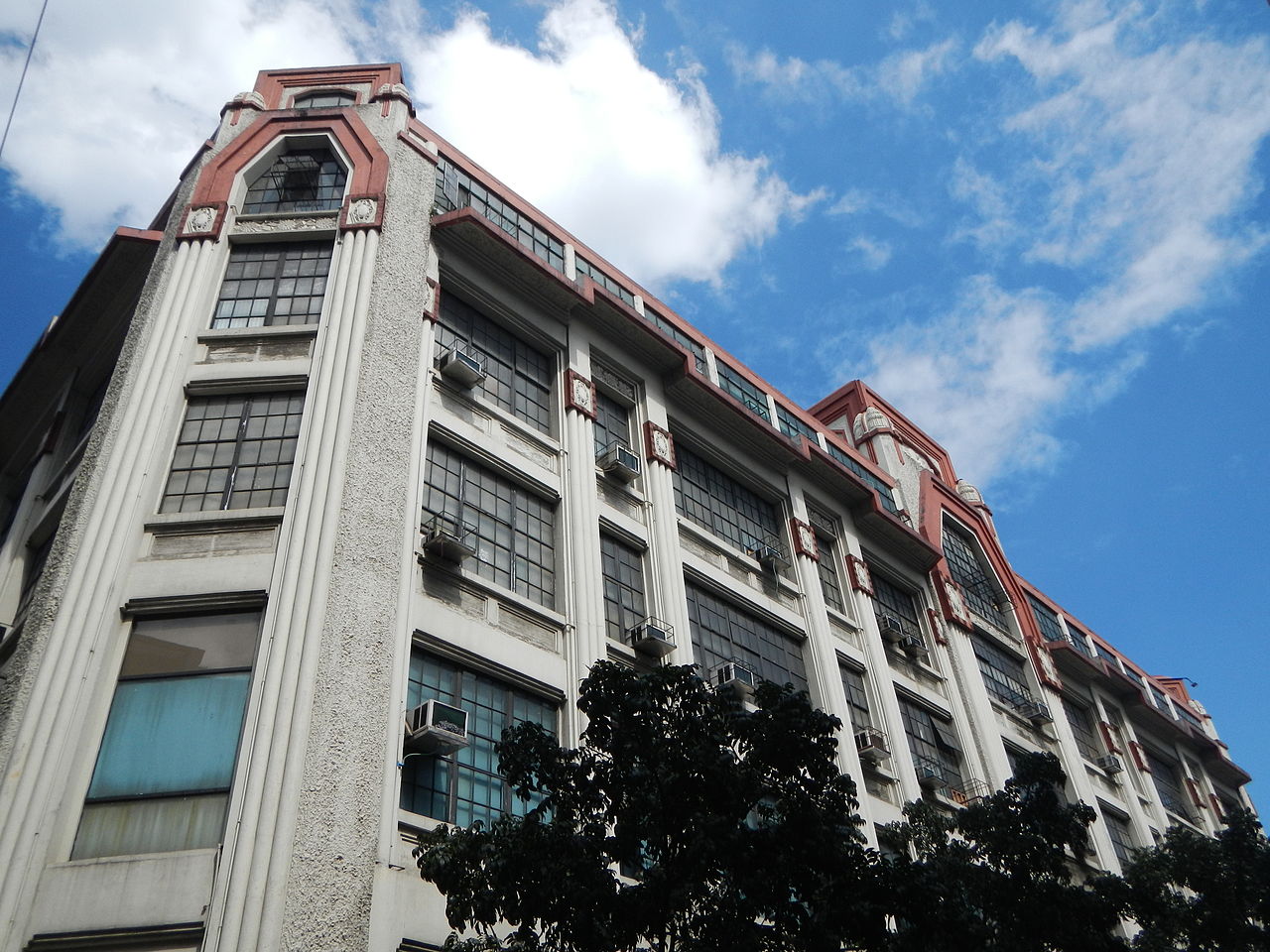
Escolta is a linear street shaped by Manila's colonial grid and the river to the south. Its alignment made it a natural corridor for goods moving between river transport and inland merchants. The street is flanked by low- to mid-rise masonry buildings that reflect successive phases of construction: Spanish colonial plots, American-period commercial blocks, and early high-rise structures from the first half of the 20th century. Pedestrian activity, shopfronts and signage historically characterized the street's lively streetscape.
Architecture and notable buildings
The built fabric of Escolta illustrates a mix of styles: neoclassical composition, Beaux-Arts flourishes and Art Deco detailing appear on façades, cornices and decorative elements. Several early multi-storey commercial buildings on the street were among the Philippines' first attempts at vertical urban architecture, incorporating reinforced concrete and elevators. Typical features include large display windows at ground level, ornamental pilasters, and stepped rooflines.
History and development
Escolta's origins date to the Spanish colonial period; it developed as a retail and mercantile spine that served the Chinese and Spanish trading communities of Binondo. By the late 19th century it had grown into a formal business district. The street retained that primacy through the American colonial era and into the mid-20th century, when modern banking and insurance offices concentrated there. After the 1960s commercial activity gradually shifted toward emerging business districts such as Makati, and the role of Escolta evolved from the city's center of commerce to a historic urban precinct.
Uses, cultural importance and preservation
Beyond commerce, Escolta has long been a social and cultural stage: parades, public gatherings and street-level markets have made it a place of civic life. In recent decades the street has attracted interest from heritage advocates, artists and small-scale entrepreneurs interested in adaptive reuse of old buildings. Conservation efforts focus on maintaining façades and encouraging sustainable uses that respect the street's historic character while allowing contemporary functions.
Notable facts and distinctions
- Its name derives from the Spanish verb escoltar, meaning to escort or accompany; historically it was known as calle de la Escolta in Spanish sources (etymology).
- Escolta was an early locus for commercial innovations in Manila and included some of the country's first multi-storey commercial buildings, predating the later skyscraper districts elsewhere in the city.
- Today it is valued both as a living street and as an urban heritage resource, attracting walking tours, cultural programs and periodic revitalization projects.
Readers seeking more detail on specific buildings, conservation projects or historical maps can consult local archives, architectural surveys and community initiatives that document Escolta's built and social history. For introductory resources and guided materials see archival collections and neighborhood heritage guides linked above.
Related articles
Author
AlegsaOnline.com Escolta Street (Binondo, Manila) — historic commercial thoroughfare Leandro Alegsa
URL: https://en.alegsaonline.com/art/32145