
Downtown: city center and central business district
Downtown is the primary urban core of a city, typically its commercial and business heart. Common in North America, the term contrasts with British 'city centre'. Overview, features, history, uses and distinctions.
Overview
"Downtown" commonly denotes the principal commercial and cultural core of a city. In North America the word is widely used to mean the central area where offices, shops and civic institutions concentrate; in British English the roughly equivalent term is city centre. The expression is idiomatic in North America but has been adopted elsewhere to describe similar urban cores.
Image gallery
10 Images



Typical characteristics
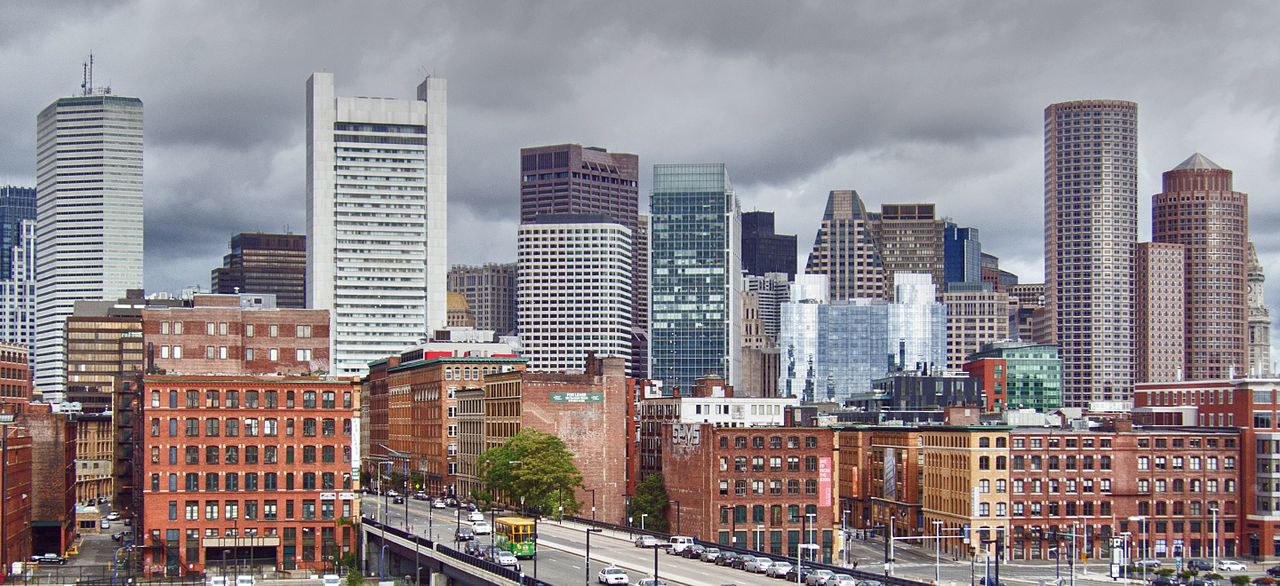
Most downtowns function as the urban central business district, containing dense commercial activity and many office buildings. They often feature tall buildings such as skyscrapers, frequent public transport links, cultural venues, government offices and a high pedestrian presence. Downtowns vary in scale and character from mixed-use neighborhoods to areas dominated by finance and commerce.
- Commercial and retail corridors
- Concentrated office space and institutional headquarters
- Transport hubs (rail, subway, buses)
- Cultural sites: museums, theaters, civic squares
History and development
The concept of a downtown grew with 19th- and 20th-century urbanization and the rise of specialized business districts. In many North American cities the term originated to describe older, more built-up neighborhoods concentrated near historic ports or train stations—New York's lower Manhattan is a frequently cited early example. Over time technological change, zoning and the construction of tall buildings reshaped downtowns into the focused business cores familiar today.
Uses, importance and modern trends
Downtowns remain central to city economies: they host corporate headquarters, financial services, government functions and a large share of urban employment. They are also focal points for tourism, nightlife and cultural life. Recent decades have seen shifts such as suburban office growth, then later reinvestment and residential conversion that aim to create 24-hour, mixed-use downtowns. Issues like gentrification, traffic congestion and public-space management are common policy concerns.
Variations and notable distinctions
The precise meaning of "downtown" depends on local usage and planning boundaries. It is not always identical to the formal central business district: some cities have multiple cores or an extended metropolitan center. Planners and residents may distinguish historic districts, pedestrianized shopping streets and administrative centers within the broader downtown area. For comparative purposes, discussions often contrast the American "downtown" with the British city centre and with other terms for urban cores.
For further reading and contextual resources see materials on urban planning, commercial districts and transport hubs. Key aspects to explore include land use, transit connectivity and cultural institutions that shape how a downtown functions and evolves over time. Additional references: central business districts, commercial development, office relocation, and the architecture of skyscrapers.

See also
- Downtown Switzerland
- The high-rise complex TownTown in Vienna-Erdberg with a construction period of about 2009-2016, with the ORBI Tower, plays with the term downtown.
Related articles
Author
AlegsaOnline.com Downtown: city center and central business district Leandro Alegsa
URL: https://en.alegsaonline.com/art/28792