
Makati: Financial and Cultural Center of Metro Manila
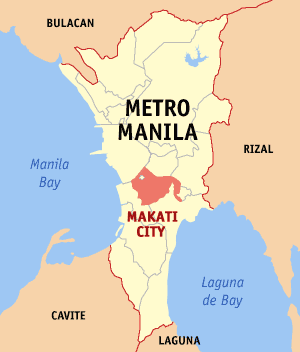
Makati is a city in Metro Manila, Philippines, known as the country's leading financial district with major corporate headquarters, shopping centers, diplomatic missions and a dense, cosmopolitan urban environment.
Makati, called Makati in Tagalog, is one of the sixteen cities that form Metro Manila in the Philippines. It functions as the nation's main financial and commercial hub, hosting a concentration of corporate headquarters, banks, multinational offices, major shopping complexes and numerous diplomatic missions. The city is often identified with its central business district, a skyline of modern office towers and mixed-use developments that anchor much of Metro Manila's economic activity.
Image gallery
3 Images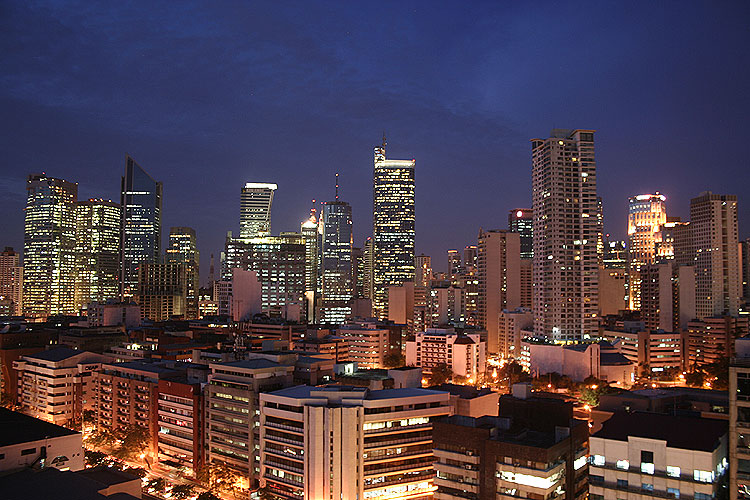

Overview and statistics
Makati combines a high degree of economic activity with a compact urban footprint. With a population of about 529,039 residents, it ranks among the more densely populated cities in the world. Its role as a financial center emerged in the mid-20th century and has continued through successive waves of development, making it a primary location for stock trading, corporate services and regional offices for foreign firms.
History and development
The transformation of Makati from agricultural lands and low-density settlements into a planned business district began in the mid-20th century. Large-scale commercial and real estate projects in the 1950s and 1960s established neighborhoods now known for mixed residential, retail and office use. Over time, land use intensified along major thoroughfares and around transport nodes, producing the modern business core and several notable commercial precincts.
Economic profile
Makati's economy is dominated by finance, professional services, real estate and retail. It is home to major national financial institutions and to trading floors of the country's principal stock exchange. Business associations and investment groups are also based in the city, and many multinational corporations maintain their Philippine or regional headquarters there. These concentrations of capital and services support a wide ecosystem of support industries.
Business districts and landmarks
Key commercial areas include the Ayala Center and adjacent office clusters, which combine shopping malls, hotels and corporate towers. Other well-known enclaves such as Poblacion and Rockwell offer distinct mixes of nightlife, dining and boutique retail. Mixed-use developments, green plazas and pedestrian links have been added over time to create more walkable pockets within an otherwise highly built-up environment.
Governance and institutions
Makati's municipal government manages urban services, local zoning and public programs that affect business, housing and transportation. The city hosts a number of foreign embassies and consular offices, which contributes to Makati's international profile and its role in diplomacy and foreign business engagement within the metropolitan region.
Transport and urban challenges
As a dense economic center, Makati faces typical metropolitan challenges: traffic congestion, pressure on public transport, demand for housing and balancing commercial growth with livability. Major roads and rail links serve the city, and planners have introduced measures to improve pedestrian access, traffic management and public transport connections. Ongoing development projects and policy choices continue to shape how the city addresses these issues.
Culture, lifestyle and amenities
Makati is noted for a cosmopolitan lifestyle: upscale shopping centers, hotels, restaurants and cultural venues attract both residents and visitors. The city supports a variety of dining options, cultural programming and nightlife districts. Its mix of global brands, local businesses and creative enterprises contributes to a multicultural urban culture that is visible in retail, food and arts spaces.
Demographics and community
The population of Makati includes long-term local communities as well as a sizable transient and professional population working in the city's offices. Residential developments range from older neighborhoods to high-rise condominiums. Social and public services, schools and community facilities reflect the diverse needs of residents and workers in a compact urban setting.
Notable facts
- Makati is a primary hub for finance and corporate services in the Philippines.
- The city hosts significant diplomatic representation and international offices.
- Makati's compact, high-density character creates both economic opportunity and urban management challenges, such as traffic and housing demand.
For readers seeking official or more detailed administrative information, municipal and regional government portals and local business groups provide current data and notices. The city's ongoing evolution in planning, transport and commercial development will continue to define its role within the wider metropolitan area.
Related articles
Author
AlegsaOnline.com Makati: Financial and Cultural Center of Metro Manila Leandro Alegsa
URL: https://en.alegsaonline.com/art/60880
Sources
- nscb.gov.ph : "Province: NCR, FOURTH DISTRICT"
- census.gov.ph : "2010 Census of Population and Housing: National Capital Region"
- ww.whereinmanila.com : ww.whereinmanila.com
- mbc.com.ph : "Makati Business Club - non-profit business association - business forum Philippines"
- makaticity.com : "About Makati, Philippines"
- touristcenter.com.ph : "Site Maintenance"
- whereinmanila.com : "Philippine Stock Exchange – Ayala Tower 1"
- mbc.com.ph : "About Us"