
Esmeralda County, Nevada
A sparsely populated county in western Nevada known for its mining history, remote deserts and mountains, and the county seat of Goldfield. 2010 population: 783.
Esmeralda County is a remote county in the western United States. It is located in the state of Nevada and is part of the United States. The county is noted for a very small resident population; the 2010 census recorded 783 people. The administrative center and county seat is Goldfield. For a general county overview see Esmeralda County.
Image gallery
8 Images


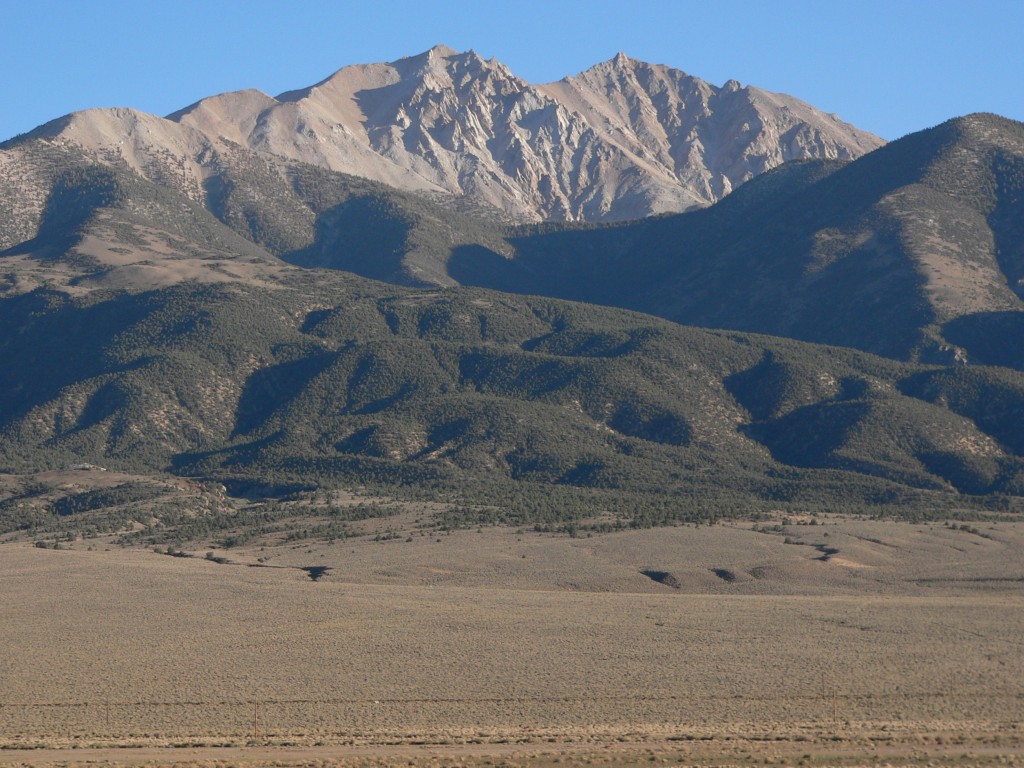

Geography and character
Esmeralda County covers a large area of high desert, basin-and-range mountains and arid valleys. The landscape is typical of Great Basin Nevada: wide open spaces, sparse vegetation and long distances between settlements. These physical conditions contribute to low population density and a land use pattern dominated by public lands, grazing and mineral exploration rather than intensive agriculture or urban development.
History and development
The county's development is closely tied to mining. Like many Nevada counties, Esmeralda experienced boom-and-bust cycles driven by mineral discoveries in the 19th and early 20th centuries. Towns sprang up around lodes of gold and silver, and some — including the county seat — reached substantial size during peak years. When ore production declined many communities shrank or became ghost towns; historic mining sites remain an important part of the county's identity.
Economy and communities
Today the local economy relies on a mix of limited mining activity, ranching, public land management and heritage tourism. Small population centers provide basic services and county government functions. Visitors are often drawn by historic buildings, relic mining sites and the experience of a sparsely settled western landscape.
Notable facts
- Esmeralda County is one of the least-populated counties in Nevada by resident count.
- Goldfield serves as the county seat and contains a concentration of historic mining-era architecture.
- Remoteness and open space make the county significant for conservation, archaeology and outdoor recreation.
The county's combination of mining heritage, rugged terrain and very small communities shapes both daily life and its appeal to visitors interested in Nevada's frontier and industrial past.
Related articles
Author
AlegsaOnline.com Esmeralda County, Nevada Leandro Alegsa
URL: https://en.alegsaonline.com/art/32180