
Amalgam: mercury alloys, formation, uses, and environmental issues
An amalgam is an alloy or solution of mercury with one or more other metals. This article explains how amalgams form, common uses (dental, mining), key properties, historical context, and health/environmental concerns.
Overview
An amalgam is a metallic alloy in which mercury is mixed with another metal or metals. In many cases mercury acts as a solvent and forms a cohesive mixture with the other element, producing physical and chemical properties that differ from the constituent metals. Because mercury is liquid at room temperature, amalgams can be malleable or set to a solid mass depending on composition and treatment. Amalgamation has been used for centuries in applications where mercury's ability to alloy with other elements is exploited.
Image gallery
3 Images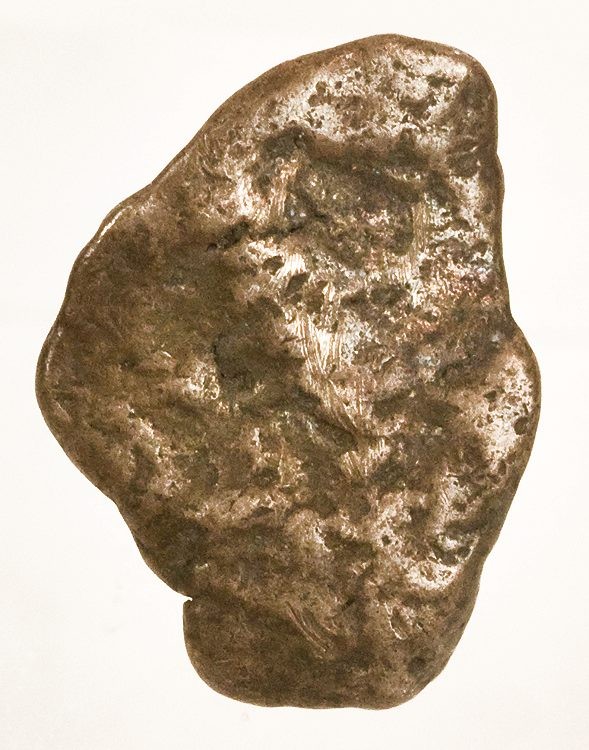


Chemistry and formation
Formation of an amalgam typically involves direct contact between liquid mercury and a solid metal, allowing the metal to dissolve into the mercury and form an alloy. The extent of mixing depends on the particular metal: some metals readily dissolve to form stable amalgams, while others are essentially immiscible and resist amalgamation. For information about which elements readily combine with mercury, see resources on metals compatible with mercury. The mercury itself is often referred to historically as "quicksilver" and as the active medium in the process; background on mercury appears in many reference sources via mercury.
Historical uses and practical examples
One historically important use of amalgams was in precious metal recovery. Finely divided gold or silver forms an amalgam with mercury, allowing these metals to be separated from crushed ore and concentrates; this practice is commonly described in texts on gold recovery and mineral processing. The amalgam is then heated to vaporize mercury, leaving a purified metal—an approach that was widely used in artisanal and early industrial mining and is still noted in discussions of mining practices and environmental impact (ore treatment and extraction).
Common types and special reactions
Dental amalgam has been a major commercial application: alloys combining mercury with silver, tin, copper and small amounts of other metals produce a durable restorative material for teeth. Another notable case is aluminum: elemental aluminum normally bears a thin protective oxide layer, but when that film is disrupted by mercury an aluminum amalgam can form and react with water, producing hydrogen gas and altered aluminum surface—this phenomenon and the role of the oxide layer are discussed in materials chemistry references (aluminum oxide and surface chemistry).
Health, safety and modern considerations
Because mercury is toxic in many forms and mercury vapor is hazardous, the use and handling of amalgams are regulated in many jurisdictions. Dental practice has shifted in some countries toward alternative restorative materials, and mining operations are encouraged or required to adopt mercury-free gold recovery methods where feasible. Environmental concerns focus on mercury release to air, water and soil during heating or disposal of amalgam-bearing materials; these concerns have driven changes in both clinical and industrial practice.
Notable distinctions
- Not all metals form amalgams: elements such as platinum and iron are largely resistant to amalgamation under ordinary conditions.
- Amalgams can be liquid, pasty or solid depending on composition, temperature and processing.
- Where mercury vaporization is used to recover a component metal, strict controls are necessary to limit exposure and environmental release.
Because of their unique properties and the risks associated with mercury, amalgams remain a subject of practical and regulatory interest in dentistry, metallurgy and environmental policy. For further reading consult specialist materials on metal alloys, occupational safety, and historical mining technologies.
Related articles
Author
AlegsaOnline.com Amalgam: mercury alloys, formation, uses, and environmental issues Leandro Alegsa
URL: https://en.alegsaonline.com/art/3199