
Enthronement: ceremonial seating of a sovereign or spiritual leader
Enthronement is the formal ceremony in which a monarch or religious leader is seated on a throne to mark assumption of office. It emphasizes symbolic authority and may differ from coronation ceremonies.
Overview
An enthronement is a public ceremony in which a person — typically a monarch or a senior religious figure — is formally seated on a throne to mark the beginning or affirmation of their office. The act of seating signals transfer or exercise of authority rather than, or in addition to, the bestowal of a regalia item. Many cultures treat enthronement as a key moment of political or spiritual legitimacy.
Image gallery
3 Images

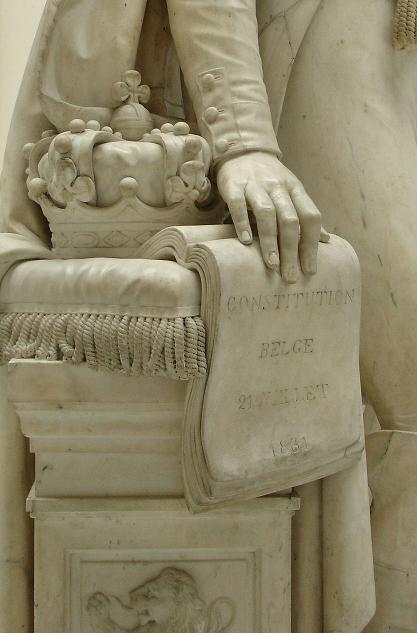
Common characteristics
Although practices vary widely, enthronement ceremonies often include some combination of proclamation, oaths, blessings, processions and symbolic seating. Typical elements include:
- Public proclamation and acceptance of office;
- Religious or civil invocations and blessings;
- Formal seating on an elevated chair or throne that represents power;
- Participation by officials, clergy, or nobility who attest to the new holder's legitimacy.
History and cultural variety
Enthronement traditions appear in many historical and geographic contexts, from ancient courts to modern religious institutions. In some monarchies the ceremony replaced, complemented, or preceded other rites such as coronation. Religious communities also use enthronement to inaugurate bishops, patriarchs or abbots, with rituals shaped by doctrinal and liturgical norms.
Uses, significance and examples
Enthronement serves several practical and symbolic purposes: it publicly recognizes leadership, consolidates loyalty, consecrates spiritual authority, and communicates continuity of institutions. It may be the moment when duties begin in law or custom, or it may simply be a formal affirmation of a pre-existing succession. Examples range from state inaugurations framed around ceremonial seating to church ceremonies that install a new presiding cleric.
Distinctions and notable facts
Enthronement is often contrasted with coronation. A coronation typically emphasizes the placement of a crown or other regalia on the head, whereas an enthronement emphasizes being seated upon a throne; however, in everyday language the two terms may overlap. The ceremony is a form of inauguration and can appear in both secular and religious settings. The throne itself functions as a symbol of authority, and the rite may be conducted as a formal ritual with varying degrees of pomp. Enthronement may involve a monarch or other dignitary and is one among several ceremonies that mark transitions of power.
Modern practice
Today, some states and religious bodies retain elaborate enthronements while others use simpler inaugurations or legal processes. The form and legal effect of enthronement depend on local law, tradition and religious custom; whether it is required for the exercise of authority or primarily symbolic varies by context.
Related articles
Author
AlegsaOnline.com Enthronement: ceremonial seating of a sovereign or spiritual leader Leandro Alegsa
URL: https://en.alegsaonline.com/art/31608