
Inauguration: ceremonial beginning of office or opening of public works
An inauguration is a formal public ceremony that marks the start of a person’s term in office or the opening of a building or infrastructure; it combines legal act, ritual, symbolism and civic celebration.
Inauguration is a public ceremony that formally marks the beginning of a person’s term in office or the opening of a project such as a bridge, building or institution. In political contexts the event often signals the transfer or confirmation of authority; in engineering and civic contexts it celebrates the completion and readiness of infrastructure. Public displays may be accompanied by media coverage, ceremonies and symbolic acts.
Image gallery
2 Images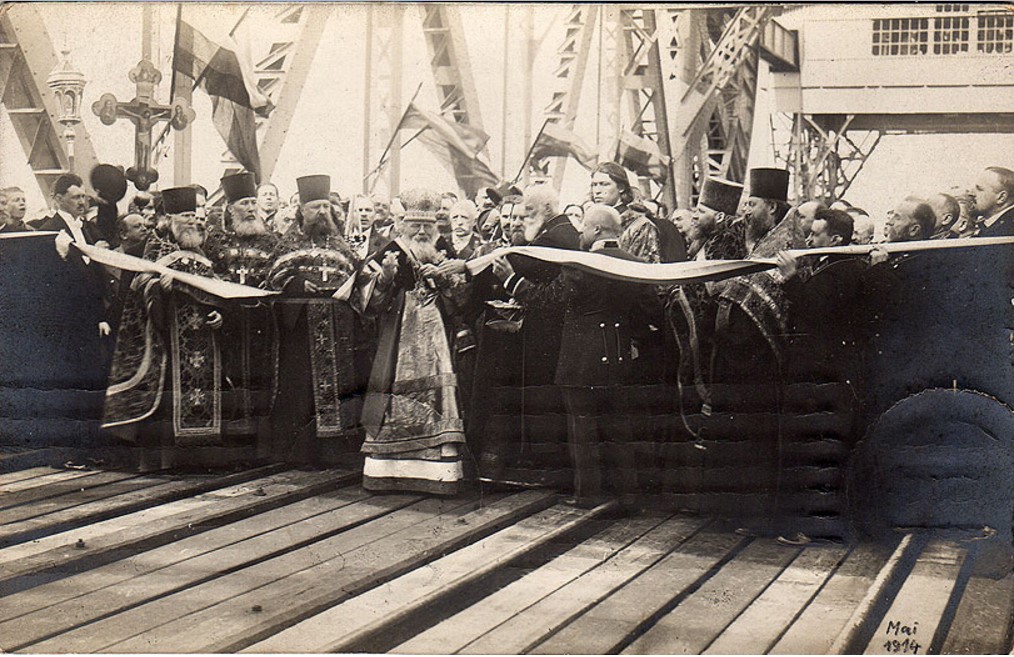

Common elements and rituals
Although details differ widely between countries and institutions, many inaugurations include some combination of the following elements:
- An oath of office or formal pledge, sometimes required by a constitution or law.
- A public address or inaugural speech that outlines priorities and appeals for support.
- Religious or civic blessings, musical performances and ceremonial honors.
- A gathered audience of officials, dignitaries and members of the public, plus invited guests and foreign representatives.
- Processions, parades or celebratory receptions that follow the principal ceremony.
Legal role and examples
In many political systems the inauguration has a legal dimension because it is the moment when an individual takes the oath or satisfies formal requirements to exercise the powers of the office. For example, the Inauguration of the President of the United States traditionally occurs on January 20 in the year following a national election. In other countries, the change of government may be confirmed by parliamentary procedures, proclamations or letters patent rather than a large public ceremony. Some offices require only a private swearing-in to make the appointment legally effective, with a public ceremony held later for symbolic reasons.
Types and historical background
Inaugurations may apply to elected politicians, appointed officials, heads of state such as a President, or to non-political openings like the dedication of a bridge or stadium (bridge opening). The word has classical roots and many early inaugurations included religious rites and signs interpreted by priests or officials; over time practices evolved to reflect changing political cultures, constitutional provisions and public expectations.
Planning, protocol and security
Large inaugurations require extensive planning: protocol for guests, choreography of the ceremony, sound and broadcast arrangements, and significant security measures to protect participants and manage crowds. Organising authorities often coordinate with law enforcement, public services and media partners to ensure the ceremony proceeds safely and smoothly. Smaller or local inaugurations may be primarily administrative but still carry symbolic importance for communities.
Symbolism and public impact
Beyond the legal moment when power is transferred, inaugurations serve symbolic functions: they can articulate a new agenda, reinforce continuity of institutions, or provide a focal point for national unity and civic identity. For public works, the ceremony may underline institutional competence, mark economic investment, and engage local stakeholders. Reactions to inaugurations—attendance, speeches and media framing—shape public perceptions of the incoming officeholder or project.
Terminology and related events
The term "inauguration" overlaps with "swearing-in," "installation" and "dedication," but typically emphasizes the ceremonial, public and often formalized aspects of taking office or opening a facility. For comparative perspectives on ceremonial protocols and contemporary practice, see general reference sources and official guides that explain rituals, legal requirements and variations between jurisdictions; many such discussions are collected under the topic of inauguration.
Questions and answers
Q: What is an inauguration ceremony?
A: An inauguration ceremony is a formal event that marks the beginning of a politician's term of office or the opening of a new facility such as a bridge.
Q: What types of politicians typically have an inauguration ceremony?
A: Typically, politicians such as a President or Mayor will have an inauguration ceremony.
Q: What is an oath of office?
A: An oath of office is a sworn statement by a politician made during an inauguration ceremony, in which he or she pledges to fulfill their duties and responsibilities to the best of their ability.
Q: When does the Inauguration of the President of the United States take place?
A: The Inauguration of the President of the United States takes place on January 20 in the year following the election.
Q: Who typically attends an inauguration ceremony?
A: The audience of an inauguration ceremony depends upon the politician taking office. For a President, high-ranking government officials, foreign dignitaries, and the public may attend.
Q: Is an inauguration ceremony only for politicians?
A: No, an inauguration ceremony can also be for the opening of a new facility, such as a bridge or government building.
Q: How important is the inauguration ceremony?
A: The inauguration ceremony is a significant event, as it marks the beginning of a politician's term in office and sets the tone for the work they will do while serving.
Related articles
Author
AlegsaOnline.com Inauguration: ceremonial beginning of office or opening of public works Leandro Alegsa
URL: https://en.alegsaonline.com/art/46986