
Entamoeba histolytica: biology, disease, diagnosis and prevention
Entamoeba histolytica is a single-celled parasitic protozoan that causes amoebiasis. This article explains its biology, transmission, clinical effects, diagnosis, treatment and public-health importance.
Overview
Entamoeba histolytica is a parasitic protozoan of the genus Entamoeba. It primarily infects humans (Homo sapiens) and other primates (nonhuman primates) and is the main cause of amoebic dysentery and liver abscesses. The infection it produces is commonly referred to as amoebiasis. Global estimates vary, but historical figures suggest tens of millions of infections with many thousands of deaths annually; exact numbers differ by source and surveillance quality.
Image gallery
10 Images




Biology and life cycle
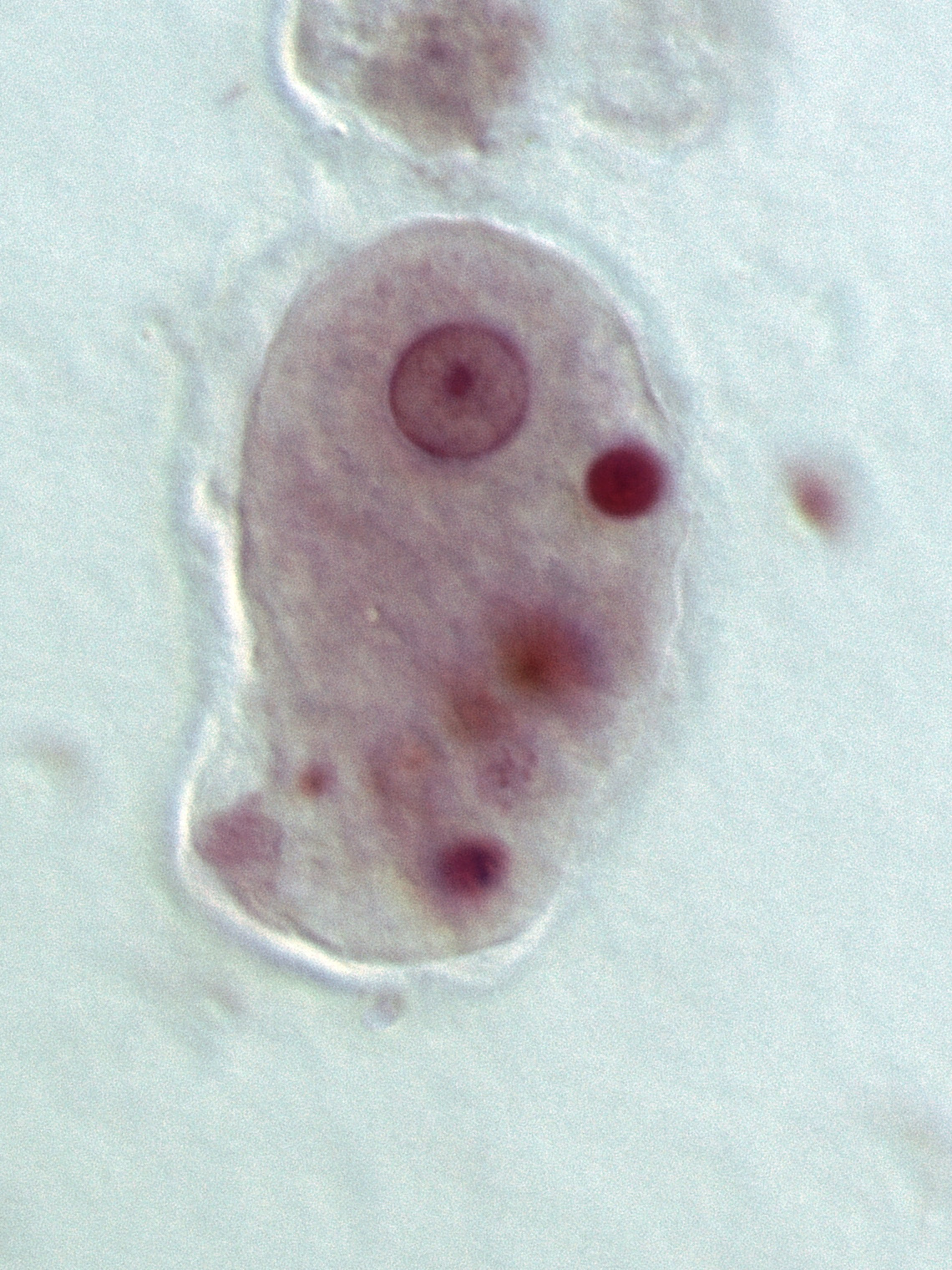
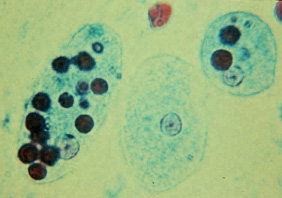
E. histolytica has two main stages: the environmentally resistant cyst and the motile trophozoite. Infective cysts are ingested with contaminated food or water, survive passage through the stomach and undergo excystation in the intestine to release trophozoites. Trophozoites colonize the colon, feed on bacteria and host cells, and may encyst to form new cysts that are shed in feces. Tissue-invasive trophozoites can penetrate the intestinal mucosa and reach extraintestinal sites, most commonly the liver.
Clinical features and diagnosis
Infection ranges from asymptomatic carriage to severe colitis with abdominal pain, bloody diarrhea and fever. Extraintestinal spread can cause liver abscesses, usually presenting with fever and right upper-quadrant pain. Diagnosis is commonly by stool microscopy, but morphology alone cannot reliably distinguish E. histolytica from the nonpathogenic relative Entamoeba dispar. Modern diagnosis uses antigen detection, serology for extraintestinal disease, or molecular methods (PCR) to confirm pathogenic infection.
Treatment and prevention
Treatment of invasive disease typically involves a tissue-active nitroimidazole (for example, metronidazole or tinidazole) followed by a luminal amoebicide to eradicate intraluminal cysts. Prevention relies on improved sanitation, safe drinking water, good hand hygiene, and food safety measures. Public-health control focuses on interrupting fecal–oral transmission and identifying asymptomatic carriers in high-risk settings.
History, taxonomy and notable distinctions
The species was identified in the 19th century and distinguished from other amoebae as diagnostic and molecular techniques improved. A key taxonomic and clinical distinction is between pathogenic E. histolytica and morphologically identical but typically nonpathogenic species such as E. dispar. Understanding that many apparent cases represent nonpathogenic carriage has refined estimates of disease burden and influenced diagnostic practices.
Importance and public-health context
Entamoeba histolytica remains an important cause of intestinal and extraintestinal disease in areas with inadequate sanitation. It is of particular concern in low-resource regions and in populations with limited access to clean water. Control depends on combining clinical management with preventive infrastructure and community-level hygiene interventions.
- Common symptoms: abdominal pain, bloody diarrhea, fever.
- Typical transmission: fecal–oral via contaminated food or water.
- Key diagnostic tools: microscopy, antigen tests, PCR, serology for liver abscess.
For further general information consult accessible references or institutional guidance: organism overview, genus details, human infection data, primates and reservoirs, clinical syndrome outline.
Related articles
Author
AlegsaOnline.com Entamoeba histolytica: biology, disease, diagnosis and prevention Leandro Alegsa
URL: https://en.alegsaonline.com/art/31580