
Enteric nervous system (ENS)
The enteric nervous system is the intrinsic neural network of the gut that controls digestion, motility and local reflexes and communicates bidirectionally with the central nervous system.
Overview
The enteric nervous system (ENS) is the complex network of neurons and supporting cells embedded in the wall of the gastrointestinal tract. It is commonly described as part of the peripheral nervous system and orchestrates local control of digestion, blood flow and barrier function. Although it can operate independently, it also exchanges information with the brain via sympathetic and parasympathetic pathways.
Image gallery
6 Images


Structure and components
The ENS contains intrinsic sensory neurons, interneurons and motor neurons organized into two principal plexuses: the myenteric (Auerbach) plexus, situated between muscle layers and chiefly responsible for gut motility, and the submucosal (Meissner) plexus, which regulates secretion and blood flow. These networks include multiple neurotransmitters and modulators such as acetylcholine, nitric oxide and serotonin.
Functions and examples
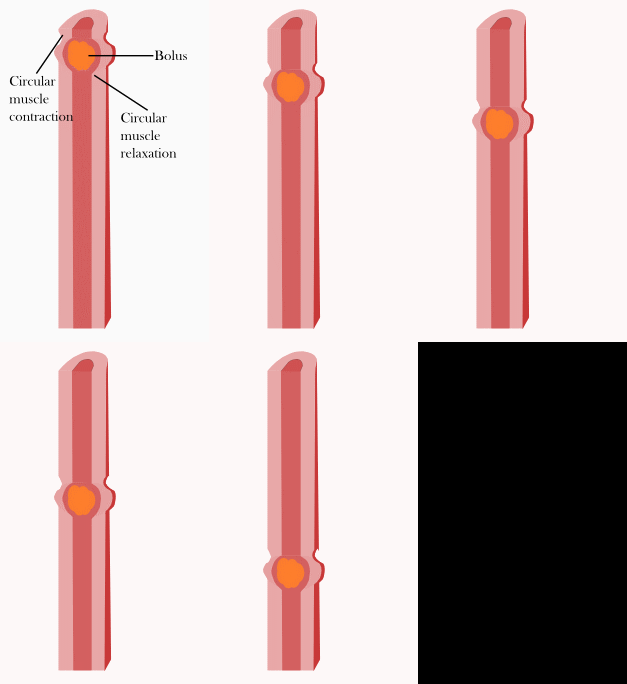
Key roles of the ENS include coordinating peristalsis, controlling local reflexes and adjusting secretions. Typical functions are:
- Generating peristaltic and segmental motor patterns to move and mix contents;
- Regulating secretion of mucus, enzymes and ions in the intestinal lining;
- Sensing mechanical and chemical conditions within the lumen and initiating reflexes that alter motility or secretion;
- Communicating with immune cells and the gut microbiota to influence inflammation and metabolism.
Development and historical notes
ENS neurons arise from neural crest cells during embryogenesis and migrate along the gut to form the plexuses. Historically the ENS has been called a "second brain" to emphasize its autonomy, and some authors treat it as part of the autonomic nervous system. Its capacity for local reflex control of the gut underlies the notion that many gastrointestinal reflexes persist even after severing central connections.
Clinical relevance and research
Disorders of enteric neurons produce important diseases: for example, Hirschsprung disease involves congenital absence of enteric ganglia in a bowel segment, and motility disorders such as achalasia or chronic constipation reflect ENS dysfunction. The ENS is a focus of current research into the gut–brain axis, microbial interactions and the role of gut-derived neurotransmitters in mood and systemic disease. For basic definitions and reflex physiology see further resources on reflexes.
Notable distinction: the ENS can generate complex, coordinated behavior locally but is integrated with central control, making it both an autonomous and a conditioned subsystem of the nervous system.
Related articles
Author
AlegsaOnline.com Enteric nervous system (ENS) Leandro Alegsa
URL: https://en.alegsaonline.com/art/31588
Sources
- anaesthetist.com : "The Enteric nervous system (ENS)" at anaesthetist.com