
Entomology — the scientific study of insects
Entomology is the branch of zoology concerned with insects: their biology, classification, ecology, economic importance, and roles in ecosystems and human affairs.
Entomology is the scientific discipline devoted to the study of insects and their relationships with the environment. Insects form the largest class of animals by described species and appear in virtually every terrestrial and freshwater habitat. People who specialize in this field are called entomologists. For an introduction to core concepts, see definition and scope and general information about insects.
Image gallery
9 Images

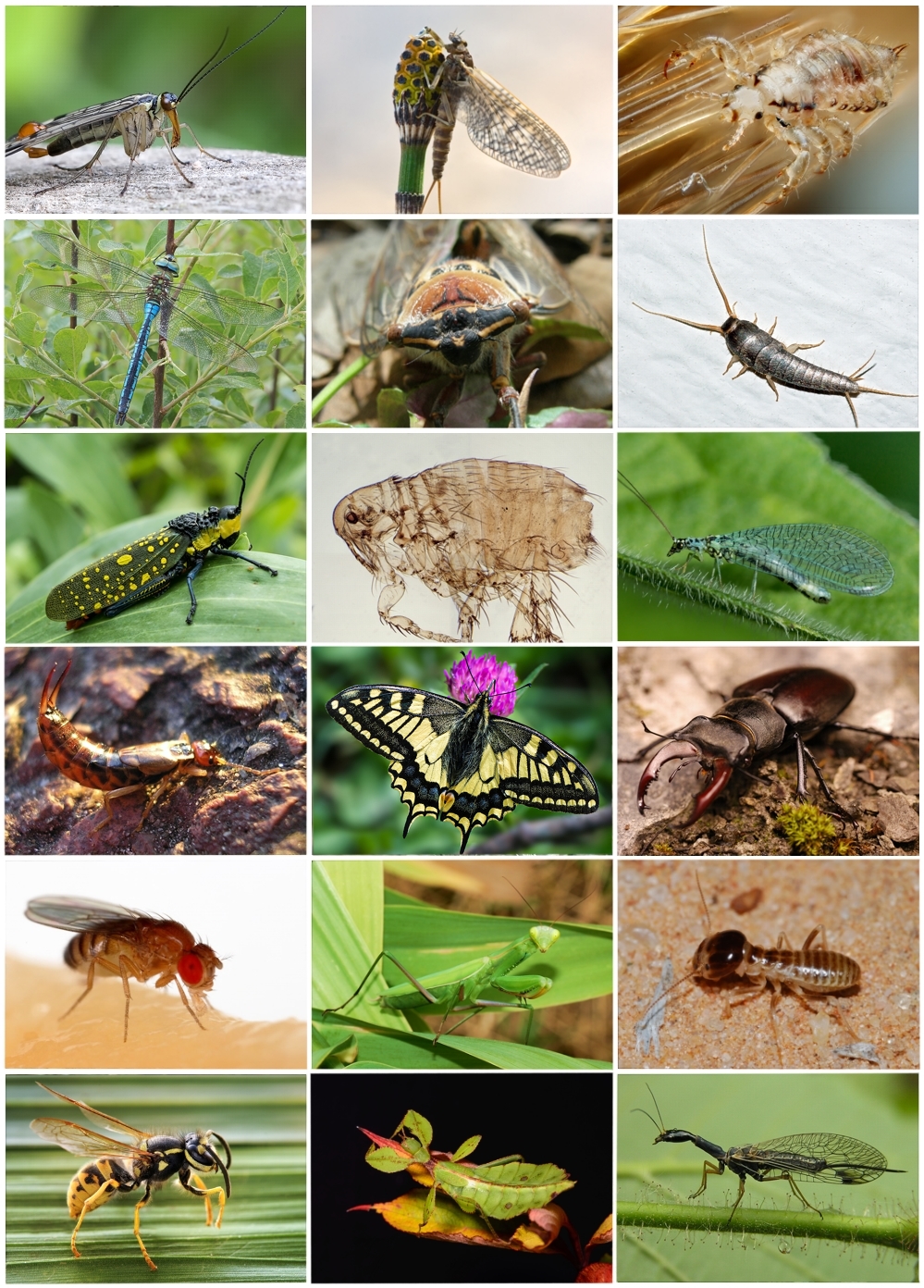


Scope and branches
The field encompasses many subdisciplines that focus on different aspects of insect life. Typical branches include:
- Systematics and taxonomy — describing, naming and classifying insect species, often referenced alongside global biodiversity discussions.
- Ecology and behavior — how insects interact with each other, other organisms, and their habitats.
- Economic entomology and pest management — studying insects that affect crops, stored products, and forestry; this area links closely to agricultural practices (crop protection).
- Medical and veterinary entomology — insects as disease vectors or parasites of humans and animals.
- Forensic entomology — using insect evidence in legal and investigative contexts.
History and development
Interest in insects dates back to prehistoric and ancient times, when people observed them for food, materials and symbols. Systematic scientific study developed more slowly; naturalists in the Renaissance and early modern periods began to collect, describe, and illustrate insects, with notable advances by the 16th century and later refinements through the Linnaean era of classification. Over subsequent centuries, improvements in microscopy, field methods, and experimental design shaped entomology into a modern biological science. For more on early literature and historical milestones see historical sources.
Methods and tools
Entomologists use a range of techniques to observe and analyze insects: field collecting and trapping, rearing and life‑history studies, morphological examination under microscopes, and molecular approaches such as DNA sequencing and barcoding. Laboratory experiments, ecological surveys and long‑term monitoring help reveal population trends and species interactions important for conservation, agriculture and public health.
Uses, importance and notable facts
Insects contribute essential services: pollination of crops and wild plants, decomposition and nutrient cycling, and serving as food for many other animals. At the same time, some species are agricultural pests or vectors of disease, so applied entomology works to reduce harm while conserving beneficial species. Many insect groups remain incompletely described; taxonomists continue to discover and name new species as part of global efforts to document life on Earth (biodiversity studies).
Practice, careers and community
Entomologists work in universities, government agencies, museums, agriculture, public health and industry. They publish in scientific journals, teach, conduct fieldwork and advise on pest management and conservation. Professional gatherings and meetings are important for sharing results and methods — see resources on conferences and scientific societies for the entomological community. Practical outreach and collaboration with farmers, public‑health officials and conservationists help translate research into action.
Because insects are diverse and often small or cryptic, the study of entomology remains a dynamic science combining classical natural history with modern laboratory and computational tools. Its insights are central to agriculture, ecosystem management, human health and our broader understanding of biodiversity.
Related articles
Author
AlegsaOnline.com Entomology — the scientific study of insects Leandro Alegsa
URL: https://en.alegsaonline.com/art/31613