
Enchilada: traditional Mexican rolled tortilla dish and its variations
Enchilada — a classic Mexican dish of a filled tortilla bathed in chile-based sauce. Covers origin, ingredients, preparation, regional varieties, serving suggestions and differences from related dishes.
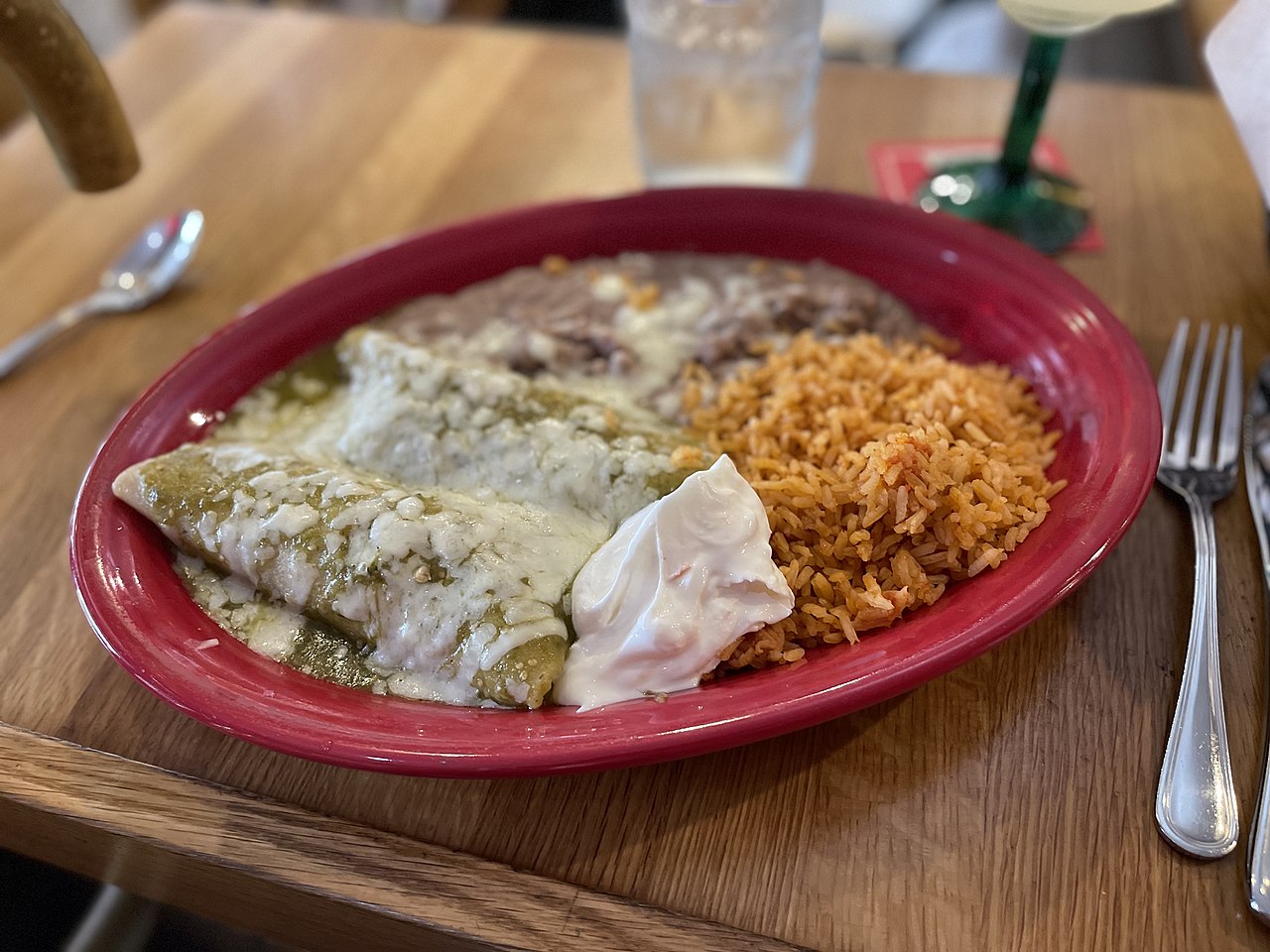
The enchilada is a staple of Mexican cuisine consisting of a tortilla filled, rolled or folded, and covered with a chile-based sauce. The name derives from the Spanish verb enchilar, meaning to add chiles or spice; this etymology explains why chiles and sauce are central to its identity. As a traditional Mexican dish, the enchilada reflects the long culinary partnership of corn and chile: the tortilla base is typically a tortilla made from maize.
Image gallery
9 Images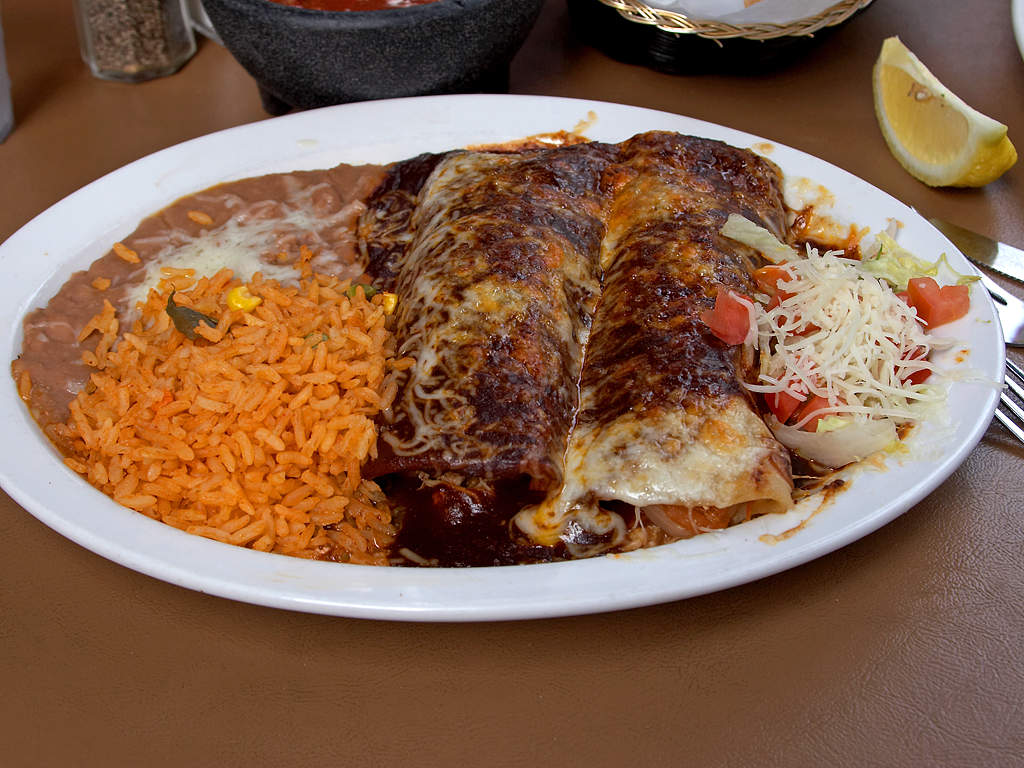





Ingredients and preparation
Classic enchiladas begin with tortillas warmed briefly to make them pliable, then dipped or spooned with sauce before or after filling. Sauces are usually red or green and rely on rehydrated, toasted, or roasted chiles as a flavor backbone. Common fillings include shredded chicken, roasted turkey, braised beef, beans, sautéed vegetables, or cheese. Onions and herbs are frequent additions; for example many recipes fold in sliced onions and top the finished dish with crumbled or melted cheese.
Variations and regional styles
Enchiladas vary widely by region and household. Enchiladas verdes use a tomatillo–green chile sauce, enchiladas rojas feature dried red chiles, and enchiladas en mole include a complex, nutty mole sauce. In some areas they are baked with cheese on top (often called "enchiladas suizas" in restaurant menus), while street-style versions may be simply rolled and sauced without baking. Corn tortillas are most traditional, but flour tortillas appear in northern regions and Tex‑Mex adaptations.
Vegetarian and seafood fillings are common modern adaptations. The dish’s flexibility means it appears as simple street food, home cooking, and restaurant fare, with spice level and accompaniments adjusted to taste.
History and cultural role
The enchilada’s roots trace to pre-Columbian Mesoamerica, where maize tortillas and chiles were dietary mainstays. Spanish influence introduced certain ingredients and techniques—such as dairy and oven baking—that were incorporated into regional recipes over centuries. Today enchiladas are emblematic of Mexican home cooking and festive meals alike, often served at family gatherings and celebrations.
Serving, distinctions and tips
- Typical garnishes: crema or sour cream, chopped cilantro, sliced onion, lettuce, avocado and extra cheese.
- Difference from related dishes: unlike tacos, enchiladas are sauced and commonly baked; unlike burritos, enchiladas are often smaller, use corn tortillas, and are intended to be eaten immediately after saucing.
- Practical tip: briefly dipping tortillas in hot oil or sauce makes them pliable and helps prevent splitting; assemble just before serving to avoid sogginess if not baking.
For further reading on regional Mexican dishes and cooking techniques, explore resources on traditional preparation and contemporary variations via language and etymology and culinary guides linked elsewhere: maize cultivation history, tortilla making, and ingredient-focused pages such as chicken or turkey preparations. Additional practical recipes and step-by-step instructions can be found through specialty pages and cookbooks onions and cheese pairing suggestions.
Related articles
Author
AlegsaOnline.com Enchilada: traditional Mexican rolled tortilla dish and its variations Leandro Alegsa
URL: https://en.alegsaonline.com/art/31336