
Falafel: fried chickpea or fava bean patties of the Middle East
Falafel are deep-fried balls or patties of ground chickpeas and/or fava beans, seasoned with herbs and spices. A common Middle Eastern street food, served in pita or as part of a mezze.
Falafel is a savory fritter made chiefly from ground legumes—most commonly chickpeas (garbanzo beans) or fava beans—formed into a ball or flattened patty and deep-fried until crisp. It is naturally vegetarian and, when no dairy is used in preparation, typically vegan. The interior is tender and crumbly while the exterior becomes golden and crunchy. Falafel is enjoyed across the Middle East and has been widely adopted in many other regions as street food and a vegetarian staple.
Image gallery
8 Images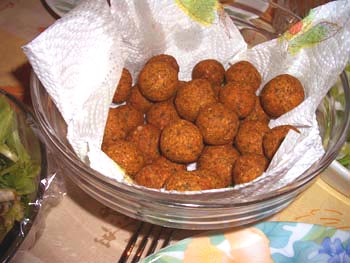



Ingredients and common seasonings
Basic falafel batter combines soaked, uncooked dried chickpeas or fava beans that are drained and ground with aromatics. Typical additions include garlic, onion, and fresh herbs such as parsley or cilantro. Warming spices like cumin and coriander are common, and salt is added to taste. Small amounts of flour, breadcrumbs, or baking powder are sometimes used as binders or to lighten the texture. Sesame seeds may be mixed into the exterior for additional flavor and texture.
Preparation and cooking methods
Traditional preparation begins by soaking dried legumes, then grinding them with herbs and seasonings to a coarse paste. The mixture is shaped by hand or scoop into balls or patties and deep-fried in oil until browned. Proper oil temperature and frying time produce a crisp shell and moist interior. For lower-fat options, falafel can be shallow-fried, pan-fried, or baked though the texture will differ from the deep-fried version.
Regional variations
Regional differences reflect legume choice, herbs, and spices. An Egyptian variety often uses fava beans and is sometimes called ta'amiya; Levantine recipes more commonly use chickpeas. Some cooks combine both legumes. Sizes, shapes and the degree of seasoning vary from street carts to home kitchens, and local garnishes reflect culinary traditions across countries in the eastern Mediterranean.
Serving, accompaniments and cultural role
Falafel is commonly served stuffed into pita or other flatbreads with salads, pickles and sauces. Popular accompaniments include tahini sauce, hummus, chopped tomatoes and cucumbers, pickled turnips, and yogurt-based sauces. It appears on mezze platters and is a ubiquitous form of fast food in many cities. Falafel functions as a portable meal, a snack, and a favored option for vegetarians.
Nutrition, dietary notes and considerations
- Falafel provides plant protein, fiber and micronutrients from legumes and herbs, though deep-frying increases its fat and calorie content.
- Recipes can be adapted for gluten-free diets by avoiding wheat-based binders; however, cross-contamination and commercial preparations may vary.
- Allergies: legume or sesame (in tahini) allergies should be considered when serving.
Global spread and adaptations
As a portable, flavorful, and inexpensive food, falafel has spread well beyond its region of origin. It has been adapted into sandwiches, salads and plated dishes in restaurants worldwide. Home cooks and chefs continue to experiment with ingredients, cooking methods and presentation while retaining the core concept: a fried patty made from ground legumes and seasonings.
Further reading
Questions and answers
Q: What is falafel?
A: Falafel is a deep-fried ball or patty made from ground chickpeas, fava beans, or both.
Q: What are falafel made from?
A: Falafel is made from chickpeas or fava beans.
Q: Are spices added to falafel?
A: Yes, spices are added to chickpeas or fava beans for making falafel.
Q: What is the origin of falafel?
A: The dish originally comes from Egypt.
Q: Where is falafel popular?
A: Falafel is a popular form of fast food in the Middle East, where it is also served as a mezze. In Israel, it is served as street food.
Q: Is falafel a vegetarian food?
A: Yes, falafel is a kind of vegetarian food.
Q: How is falafel served?
A: Falafel is either made into a ball or a disc and then fried. It can be served in various ways, as a wrap or in a pita bread with salad, hummus, and tahini sauce.
Related articles
Author
AlegsaOnline.com Falafel: fried chickpea or fava bean patties of the Middle East Leandro Alegsa
URL: https://en.alegsaonline.com/art/33326
Sources
- query.nytimes.com : "A History of the Mideast in the Humble Chickpea"
- bartleby.com : "Falafel"
- ynetnews.com : Falafels: Fact Sheet
- cliffordawright.com : (Accessed 27-04-2009)
- myjewishlearning.com : About Israel's signature food--plus, a recipe.
- books.google.com : The glutton's glossary: a dictionary of food and drink terms
- theepicentre.com : Falafel recipes.
- en.wikibooks.org : Cookbook:Falafel
- commons.wikimedia.org : Falafel