
Entomophagy — Human and Animal Insect Eating
Entomophagy is the practice of eating insects. This article explains the term, occurrences in humans and animals, common edible species, nutritional and environmental aspects, production and cultural attitudes.
Overview
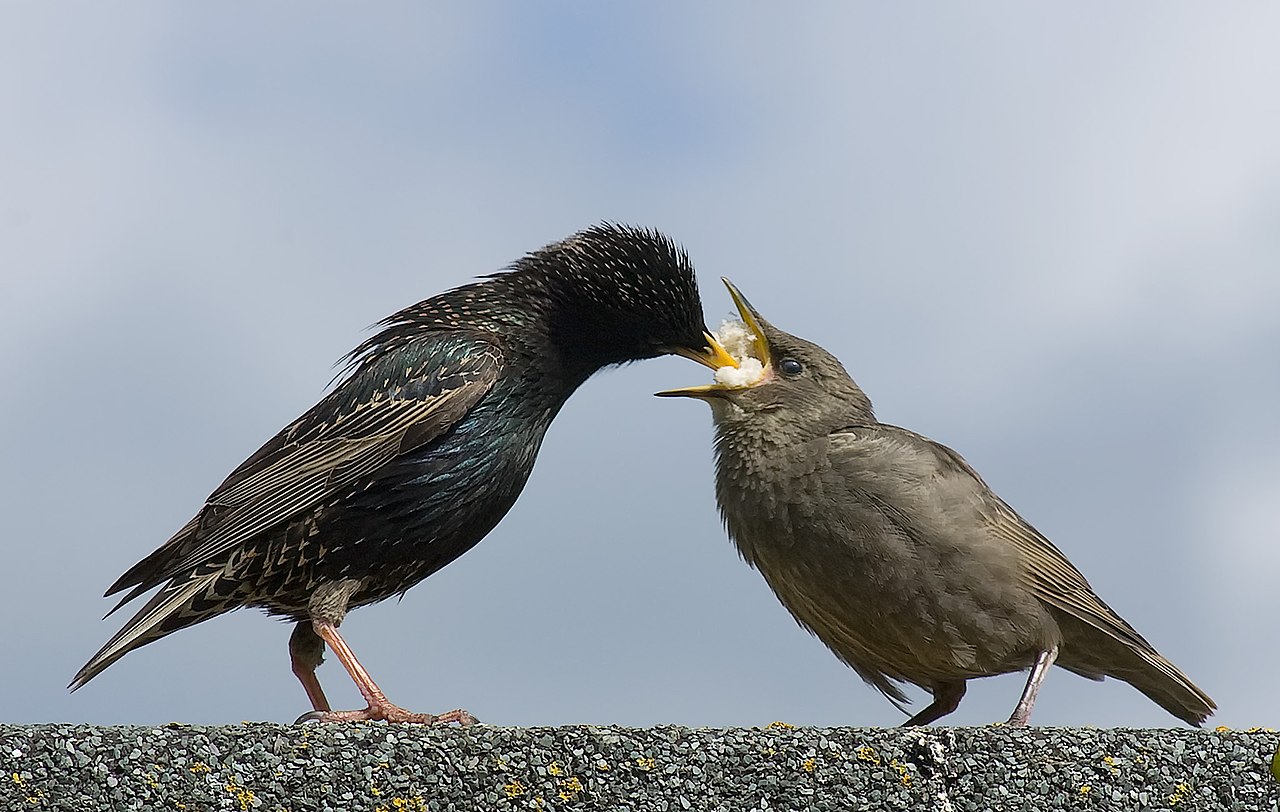
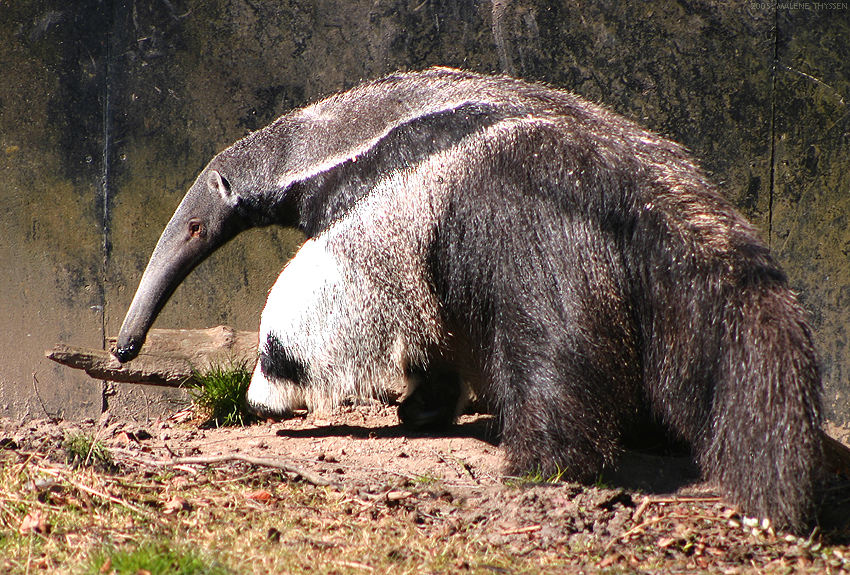
Entomophagy is the practice of eating insects. The word derives from Ancient Greek origins (etymology) and refers to using insects as a source of food. Many non-human species also consume insects: some birds, amphibians and various mammals feed on insects, and such animals are often called insectivores.
Image gallery
10 Images





Human practice and distribution
Humans have practiced entomophagy for millennia in many regions, particularly in parts of Africa, Asia, Central and South America and Oceania. Use ranges from seasonal gathering and traditional dishes to modern processed products. In some cultures insect consumption is rare or considered socially unacceptable — sometimes described as taboo — which affects acceptance and market development.
Common species and culinary roles
Edible insects span many taxonomic groups and are used in diverse culinary roles. Typical categories include:
- Beetles (including larvae and adults)
- Grasshoppers, locusts and crickets
- Caterpillars and other lepidopteran larvae
- Ants, bees and wasps (workers and brood)
- Termites and aquatic larvae
They may be eaten roasted, boiled, fried, dried or ground into flours and protein ingredients incorporated into snacks, breads and protein bars.
Nutritional and environmental aspects
Insects are often nutrient-dense, providing protein, fats, micronutrients and essential amino acids. Compared with many conventional livestock, insect rearing can use less land, require less water and produce lower greenhouse gas emissions per unit of edible protein, which has prompted interest in insects as a potentially more sustainable food source.
Production, safety and regulation
Commercial insect farming and processing are expanding. Best practices include controlled breeding, standardized feed, sanitation and monitoring for contaminants. Allergies are a safety consideration — insect proteins can cross-react with shellfish allergies — so labeling and regulation vary by jurisdiction. Ongoing research addresses feed sources, scaling systems and food-safety standards.
Significance and contemporary trends
Entomophagy sits at the intersection of culinary tradition, food security and environmental policy. It is promoted by some as a climate-smart option and by others examined through cultural, economic and ethical lenses. For introductory background and further study see resources on language and origins, insect biology and food science.
Related articles
Author
AlegsaOnline.com Entomophagy — Human and Animal Insect Eating Leandro Alegsa
URL: https://en.alegsaonline.com/art/31614