
Emoji — origins, standards, and cultural impact
Overview of emoji: pictographic characters originating in Japan, standardized by Unicode, used to convey emotion, objects, actions and ideas across devices and languages.
Overview
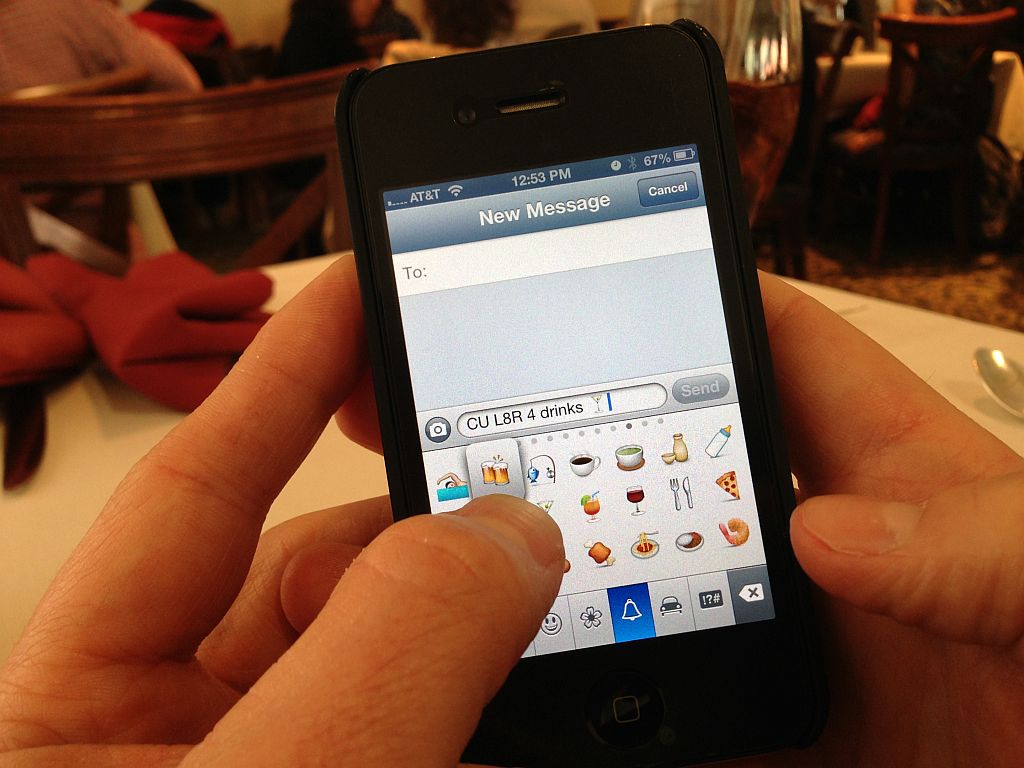
Emoji are small pictographic characters used in digital text to represent emotions, objects, activities, places and ideas. Unlike ASCII emoticons made from punctuation, emoji are encoded characters that render as graphic symbols or expressive smiley faces. They are commonly entered on a mobile phone or inserted into messages and documents viewed on a computer. By combining imagery and language, emoji can convey tone, attitude and context in a compact form that often crosses language barriers.
Image gallery
6 Images



History and spread
The first widely recognised emoji sets were created in Japan in the late 1990s; Shigetaka Kurita is commonly credited with designing an early collection of pictographs in 1999. Initially tied to Japanese mobile networks, emoji later appeared on web pages and were adopted more broadly when major platform vendors added built-in emoji keyboards and graphic support. Notable platform integrations by companies such as Apple on iOS and by Google on Android helped popularise emoji worldwide. Public interest and scholarly attention grew alongside commercial use; for example, an event focused on emoji was held in San Francisco in California, organised as a conference to discuss design, culture and technology.
Standards and technical details
Emoji are part of the Unicode Standard, which assigns code points to characters so they can be transmitted and rendered consistently across systems. Unicode also defines mechanisms for modification: skin tone modifiers (based on a widely referenced scale) allow many human-form emoji to reflect different tones, and gender variants combine base pictographs with modifiers. Complex glyphs—such as family groupings or multi-person activities—are often produced by joining multiple characters with a zero-width joiner (ZWJ) sequence. Because vendors design their own artwork, the same Unicode code point can look different on different platforms.
Categories and composition
Emoji are grouped into categories including faces and emotions, people and body parts, clothing and professions, animals and nature, food and drink, activities, travel and places, objects, symbols and flags. Some emoji are single code points, while others are sequences created from base characters plus modifiers or joiners to express more specific concepts.
Uses and social effects
People use emoji to add emotional tone, clarify intent, create humour or save space in messages. They appear in social media, marketing, journalism and informal communication. Researchers study emoji for sentiment analysis, language change and social signalling. Interpretation can vary by culture, generation and platform; a pictograph intended as playful in one context may be confusing or even offensive in another. Accessibility is an important concern: screen readers and descriptive text can help make emoji understandable to users with visual impairments.
Governance and additions
New emoji are added periodically through a formal proposal and review process managed by the Unicode Consortium. Proposals describe expected usage, distinctiveness and demand. Once accepted, new emoji are assigned code points and later implemented by vendors in system updates. This process balances technical constraints, cultural representation and practical use.
Further reading
- Technical documentation and proposals from standards bodies and developer resources (symbols, studies of emotions).
- Platform guidance and design notes from major vendors such as Apple and Google, and their mobile platforms iOS and Android.
- Popular accounts of early history and cultural discussion on adoption in Japan and on the web.
- Conferences and archives that document ongoing debates about imagery and communication, including events in cities such as San Francisco, California (conference reports).
Related articles
Author
AlegsaOnline.com Emoji — origins, standards, and cultural impact Leandro Alegsa
URL: https://en.alegsaonline.com/art/31243