
Envelope (mailing container and document wrapper)
An envelope is a folded paper or similar container used to enclose documents for mailing, storage, or presentation. Types include business, window, manila, padded and security envelopes.
Overview
An envelope is a flat, usually paper-based container designed to hold a letter, document or small object. Envelopes are used to protect and conceal contents, to present items formally (invitations or certificates) and to prepare material for postal delivery. They range from thin decorative sleeves for cards to padded mailers used for fragile goods.
Image gallery
10 Images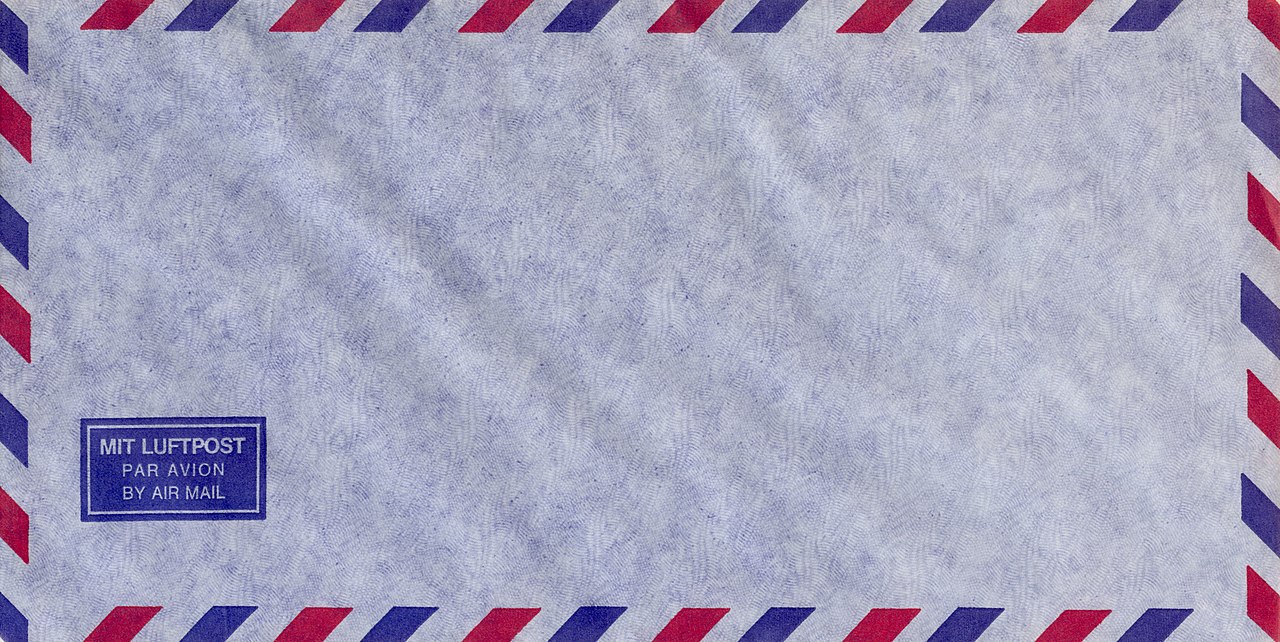


Construction and materials
Most envelopes are made from paper or lightweight board, but materials also include kraft paper, parchment, plastic film and padded laminates with bubble wrap. Typical features are a folded body, a closing flap, and one or more seams or adhesives. Sealing methods vary: gummed flaps moisten to adhere, self-adhesive strips are peeled and pressed closed, and some envelopes use clasps, string-and-button fasteners or heat-sealed edges for tamper resistance.
Common types and sizes
Envelopes are made to fit standard papers or specialized uses. Common varieties include:
- Business envelopes: Slim formats designed for invoices and letters; many are sized to accept folded sheets for automated mailing.
- Window envelopes: Contain a transparent film to display an address printed on the enclosed document.
- Manila envelopes: Larger, durable brown or buff envelopes used for multiple pages or documents that should remain unfolded.
- Padded and mailing envelopes: Have internal cushioning (bubble or fiberfill) for shipping fragile items.
- Security and confidential envelopes: Feature opaque linings, tamper-evident seals or reinforced seams for sensitive contents like certificates or financial documents.
International and national postal systems recognize common size series so envelopes are often matched to paper formats (for example, sizes correlated with ISO paper series). For domestic commerce, specific formats such as business envelopes sized to fit a letter folded into thirds are widely used.
History and development
The idea of an outer container for documents is ancient, from clay envelopes in antiquity to folded paper in East Asia. Modern machine-made envelopes became widespread in the 19th century after the development of mechanized envelope-folding machines, which reduced cost and standardized shapes. Over time innovations added windows, security linings, and self-sealing adhesives to meet business and postal requirements.
Uses, mailing practices and etiquette
Envelopes serve practical, legal and ceremonial roles: they carry correspondence, protect records, present invitations and transport money or checks. When sending by post, the recipient address and return address are placed clearly on the front; a postage stamp or indicia is affixed to indicate payment for delivery. In many mail systems the stamp is placed in the top-right corner, and automated sorting favors standard formats and precise addressing. For guidance on paper folding and fitting, see paper size guidance. Important documents such as birth certificates are often sent in larger protective envelopes; see information on handling and requirements at identification or certificate.
Environmental and practical considerations
Paper envelopes are widely recyclable when free of plastic windows or heavy adhesive, though mixed-material mailers may require separation. Manufacturers also offer envelopes made from recycled content or compostable fibers. For postage and postal regulations, users should consult their local service or the postal indicia rules: general postage information is available at postage.
Notable distinctions include the difference between presentation envelopes (often decorative, unsealed until use) and mailing envelopes engineered for automated processing. Choice of envelope affects the protection, privacy and formality of its contents, so selecting the appropriate material, size and seal is an important part of correspondence and shipping.
Related articles
Author
AlegsaOnline.com Envelope (mailing container and document wrapper) Leandro Alegsa
URL: https://en.alegsaonline.com/art/31635