
Android (mobile operating system)
Android is an open-source, Linux-based operating system for mobile devices. It powers a wide range of smartphones, tablets and other devices and supports a large application ecosystem and vendor customizations.
Overview
Android is a software platform designed mainly for mobile devices, most notably smartphones. Originally developed by Android, Inc. and later acquired and stewarded by Google, Android combines open-source components with proprietary services provided by vendors and partners. It is used on devices from Google's own Pixel line and many manufacturers such as HTC and Samsung, and it has also been deployed on tablets and other hardware.
Image gallery
9 Images


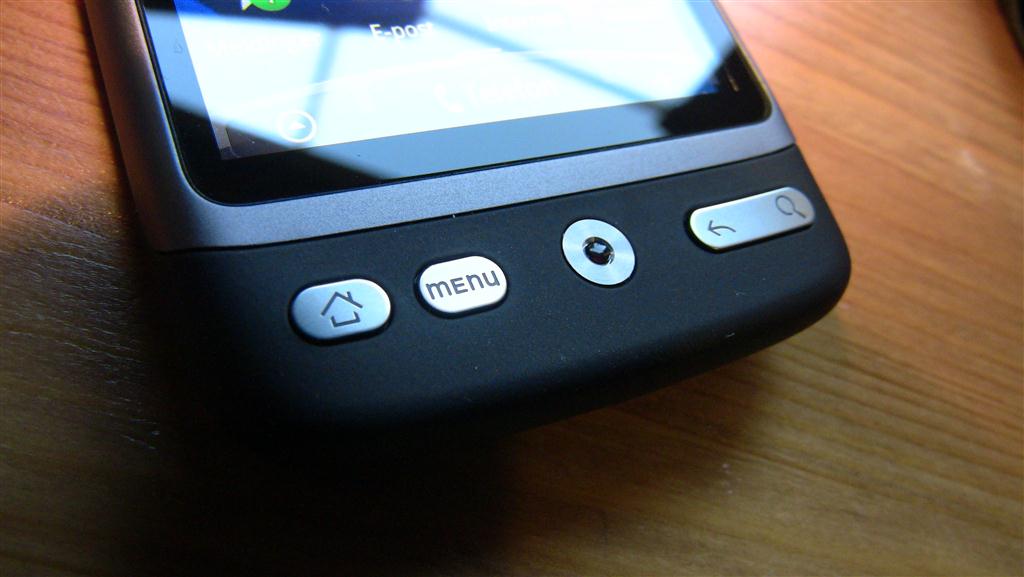


Architecture and core components
At its core Android runs on a customized Linux kernel, adapted to mobile hardware. The system adds a runtime (the Android Runtime, ART), system libraries, and a rich application framework that exposes services such as activity and window management, content providers and notification routing. Device firmware typically combines source code from the Android Open Source Project (AOSP) with proprietary drivers and vendor extensions. The low-level kernel work for Android-specific drivers and resource handling is often described as the Android kernel layer built on top of Linux.
Versions and releases
Android has been developed as a series of platform releases. Major versions have introduced changes to the user interface, performance, privacy and security. Recent major releases include Android 12, Android 13 and Android 14. Google and the community publish platform source code, while device makers typically adapt each release to their specific hardware. To address update complexity, Google introduced modular update mechanisms that let some components be updated independently of full system upgrades.
Application ecosystem and development
Android supports a large catalog of third-party applications distributed through official and third-party app stores, with Google Play being the most widely used distribution channel on many devices. Developers build apps using the Android SDK and common languages such as Java and Kotlin; apps run within a sandboxed environment with defined permissions. The platform has evolved its runtime and tooling over time—Dalvik historically being replaced by ART—to improve performance and battery efficiency.
Devices, variants and use cases
Beyond phones, Android is adapted for tablets (tablets), e-readers and media devices (for example some variants of the Amazon Kindle), early tablets like the Motorola Xoom, and specialized products. Derivatives and related projects target wearables (Wear OS), televisions (Android TV / Google TV), automotive systems (Android Automotive) and embedded Internet of Things devices. The platform's flexibility enables both flagship devices and budget hardware to run Android.
Security, updates and fragmentation
Android implements an app sandbox, permission model, and services intended to detect and reduce malicious apps. Google provides ongoing security updates and operates services such as Google Play Protect for scanning apps. However, because many manufacturers and carriers control device updates, not all devices receive platform upgrades or security patches at the same cadence. Project initiatives and modular update channels aim to reduce fragmentation by allowing some core components to be updated without a full operating system upgrade.
Licensing, distribution and services
The core Android platform (AOSP) is released under open-source licenses, primarily the Apache License for most components, with the underlying Linux kernel under the GPL. Many useful services, including Google Mobile Services (GMS), are provided under separate proprietary agreements that manufacturers may license. This combination of open-source base and proprietary services shapes how Android is distributed and experienced on different devices.
Market position and importance
Android powers a very large share of the world’s smartphones and a broad range of other devices, which has helped it become widely described as the most popular mobile operating system. Its open model, broad hardware support and extensive application ecosystem are central factors in its global reach.
For further reading and official resources, see general platform documentation and device guidance: Android overview, mobile device guidance, smartphone information, Google's Android pages, Pixel devices, device manufacturers, tablet support, tablet examples, e-reader/tablet examples, kernel relationship, kernel implementation details, and market coverage and statistics.
Questions and answers
Q: What is Android?
A: Android is an operating system for mobile devices like smartphones and tablets.
Q: What devices is Android mostly used for?
A: Android is mostly used for smartphones, like Google's own Pixel, as well as by other phone manufacturers like HTC and Samsung. It has also been used for tablets such as the Motorola Xoom and Amazon Kindle.
Q: What is the kernel of Android?
A: A modified Linux kernel is used as Android's kernel.
Q: How popular is Android?
A: Android is the most popular mobile operating system and the most popular operating system in general. Google says that over 1.3 million Android smartphones are sold every day.
Q: Does Android support multitasking and 2D/3D graphics?
A: Yes, Android supports multitasking and two-dimensional and three-dimensional graphics.
Q: Are security updates provided for older versions of Android?
A: Security updates are not provided on versions older than Android 10. Newer versions receive security updates if the phone manufacturer supports them.
Q: What is the current stable version of Android?
A: The current stable version is Android 12, released on October 4, 2021. As of May 2022, Android 11 is the most used version.
Related articles
Author
AlegsaOnline.com Android (mobile operating system) Leandro Alegsa
URL: https://en.alegsaonline.com/art/4041
Sources
- openhub.net : "Android Language Breakdown" · web.archive.org
- android-developers.googleblog.com : "Announcing the Android 1.0 SDK, release 1" · web.archive.org
- android.com : "Android 7.0 Nougat" · web.archive.org
- android.googlesource.com : "android/platform/bionic/" · web.archive.org
- android.googlesource.com : "android/platform/external/mksh/" · web.archive.org
- source.android.com : "Licenses" · web.archive.org
- code.google.com : Android Project Home
- techcrunch.com : "There Are Now 1.3 Million Android Device Activations Per Day"
- developer.android.com : Android Developers Application Fundamentals