
Aluminium oxide (Al2O3)
Aluminium oxide (Al2O3) is a common, hard oxide of aluminium found in ores and minerals, widely used as an abrasive, refractory material, ceramic, and intermediate in aluminium production.
Overview
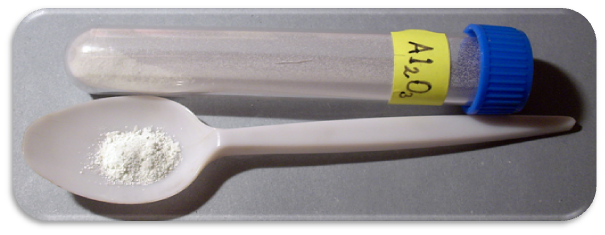
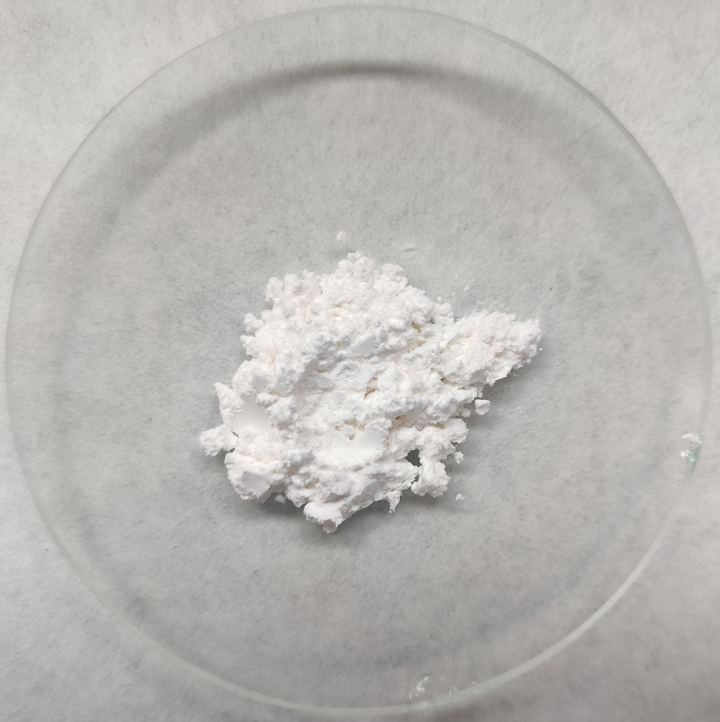
Aluminium oxide, commonly written Al2O3 and sometimes called aluminum oxide, is a chemical substance formed from aluminium and oxygen. It is most often encountered as a white, powdery solid but also occurs as transparent, crystalline corundum. Because of its combination of hardness, chemical stability and high temperature resistance, aluminium oxide is one of the most widely used inorganic materials in industry and research. The term compound is used to describe its chemical composition.
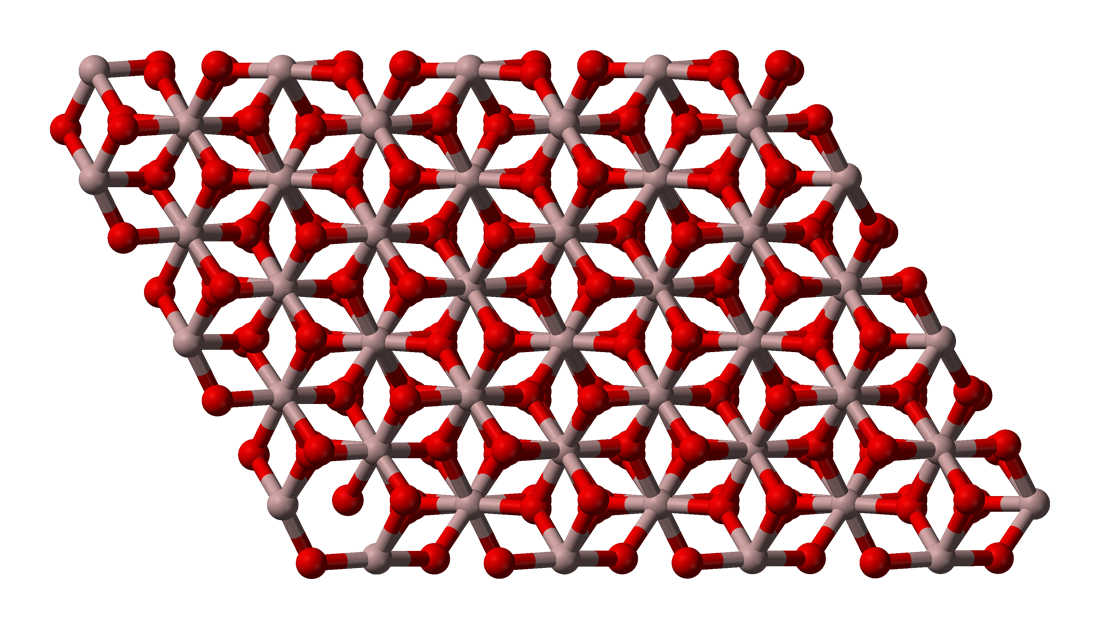
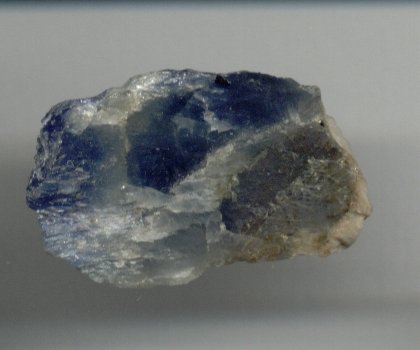
Physical and chemical characteristics. In bulk it is a brittle, refractory solid that is typically insoluble in water but can react in both acidic and alkaline environments, demonstrating amphoteric behavior (dissolves in acids and bases). The crystalline form corundum is very hard and forms the basis for many abrasive and gem applications; trace impurities in corundum produce rubies and sapphires.
Mineralogy and forms. Aluminium oxide appears in several polymorphs and grain sizes. The most stable crystalline form is corundum, while other poorly ordered or porous forms occur as transition aluminas used in catalysis and ceramics. Natural occurrences range from bauxite, a sedimentary ore composed largely of hydrated aluminium oxides and hydroxides, to gem-quality corundum crystal (bauxite, corundum).
Production and processing. Industrially, alumina is extracted from bauxite by refining processes and then converted to metallic aluminium by electrolytic reduction. In the common Hall–Héroult route the purified aluminium oxide is dissolved in molten cryolite and then electrolyzed to yield aluminium metal. The powder and sintered forms of aluminium oxide are produced to specific particle sizes and purities for different technical uses.
Image gallery
7 Images


Uses and applications
- Abrasives and polishing: corundum and synthetic alumina are used in grinding wheels, sandpaper and surface finishing (abrasive).
- Refractories and ceramics: high-temperature kiln linings, crucibles and advanced ceramic components.
- Catalyst supports and adsorbents: porous aluminas provide high surface area for chemical catalysts and drying agents.
- Electrical and biomedical: electrical insulators, substrates for electronics, and some medical implant components.
Notable distinctions and safety. Distinct from its ore bauxite, aluminium oxide is the refined oxide product and can appear as gem-quality corundum, abrasive grit, or white technical powder. It does not melt easily under normal conditions and must be processed at high temperature to sinter. As a material, it is chemically stable, but fine dust can be an inhalation irritant and should be handled with appropriate protection.
If you want to explore manufacturing methods, mineral sources or material data, the following links provide entry points: chemical overview, aluminium, oxygen, acid/base behavior, abrasive uses, bauxite ore, corundum varieties, cryolite role, electrolysis.
Related articles
Author
AlegsaOnline.com Aluminium oxide (Al2O3) Leandro Alegsa
URL: https://en.alegsaonline.com/art/3122