
Abrasive: materials, forms, uses, and selection
Abrasives are hard, rough materials used to cut, shape, smooth, or polish other surfaces. This article explains types, common materials, forms, uses, history, and how to choose and handle abrasives safely.
Overview
An abrasive is a hard, gritty material used to wear down, cut, shape, smooth or polish other surfaces by friction. Abrasives operate by removing small particles from the workpiece through mechanical action. They appear in many forms — loose grains, bonded blocks, coated sheets, and engineered wheels — and are essential across crafts, manufacturing, construction and maintenance.
Image gallery
6 Images



Common materials and characteristics
Abrasive materials range from natural minerals to man-made ceramics. Natural options include garnet, emery and corundum; the hardest naturally occurring abrasive is diamond, which ranks highest on hardness scales and is widely used for cutting and grinding very hard materials. Synthetic abrasives such as aluminium oxide and silicon carbide are produced to controlled sizes and properties for consistent performance.
Forms and grades
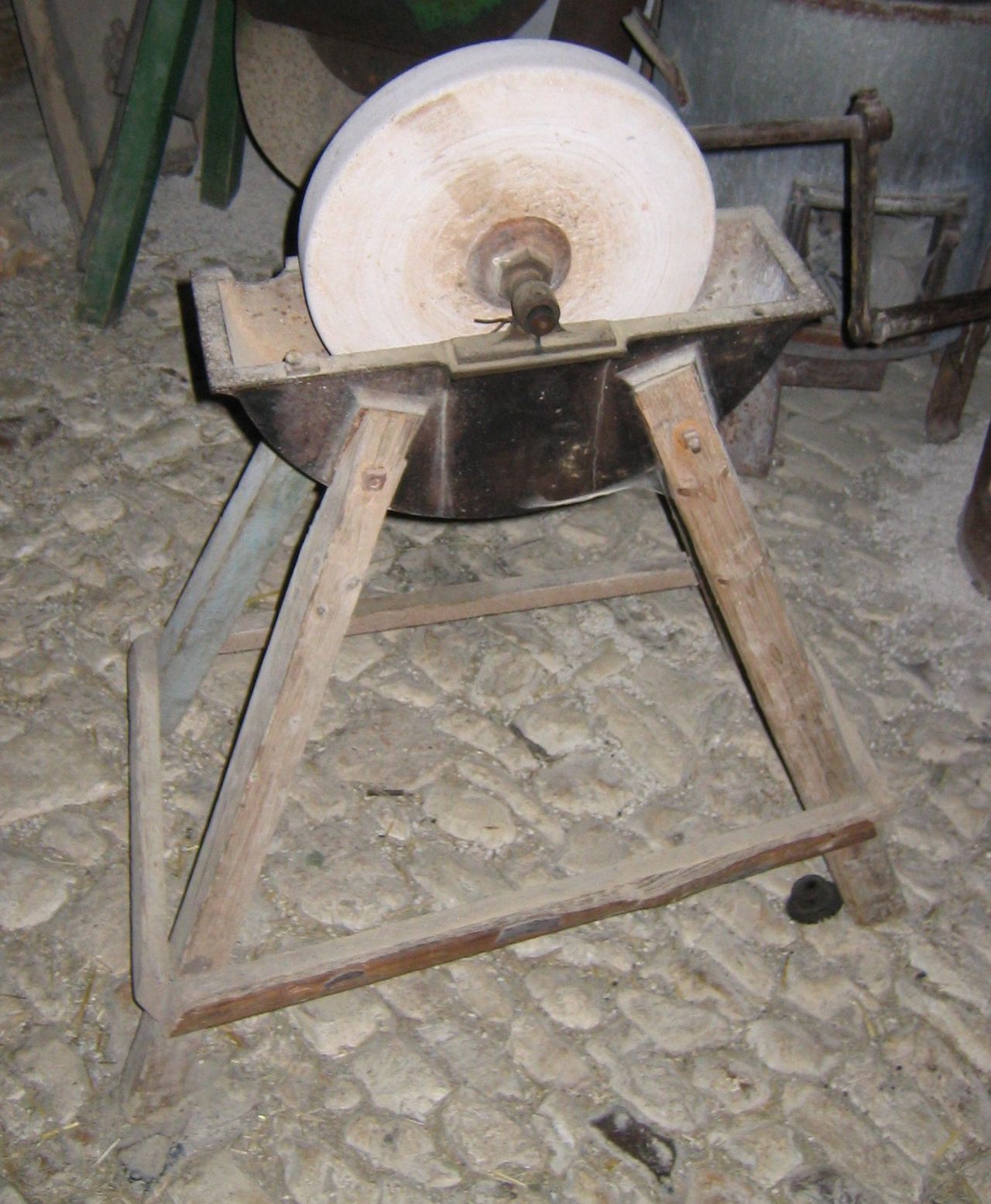
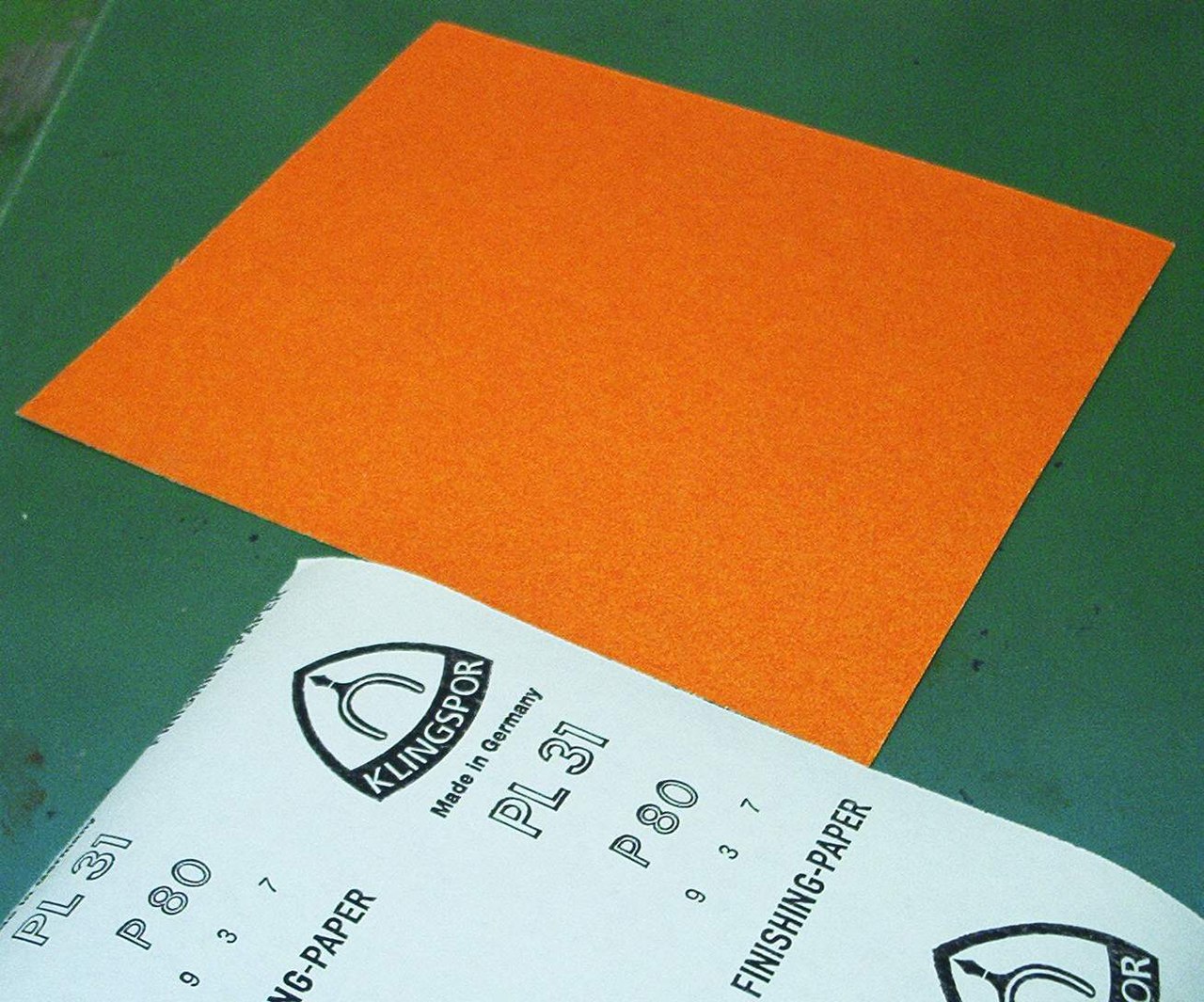
Forms are chosen to match the task. Coated abrasives are grains adhered to a flexible backing to make sheets commonly known as sandpaper; bonded abrasives are grains held in a rigid matrix to form grinding wheels, stones or segments for saw blades. Other forms include loose blasting media, nonwoven pads, and lapping films. Grain size (grit), hardness, friability (how grains break), and bond type determine cutting action and finish.
Uses and examples
- Shaping and stock removal: grinding wheels and cutting discs remove material quickly from metals and ceramics.
- Smoothing and finishing: sandpaper and nonwoven pads produce controlled surface texture on wood, paint and plastics.
- Cutting and sawing: diamond-tipped blades cut stone, tile and concrete where extreme hardness is required.
- Abrasive blasting: loose grit is propelled to strip coatings or clean surfaces in restoration and preparation work.
History and development
People have used abrasive stones and sands since prehistoric times to shape tools and pottery. The industrial era brought engineered abrasives and standardized grits; synthetic materials developed in the 19th and 20th centuries expanded capability and consistency, enabling high-speed grinding, precision finishing and specialized cutting tools.
Selection and safety considerations
Choosing an abrasive depends on the material being worked, desired surface finish, rate of material removal, and tool compatibility. Softer materials and finishes require finer grits; harder workpieces need durable, sharp grains. Safety is important: proper guards, eye and respiratory protection, and attention to dust control are essential because abrasive operations produce sparks and fine particles.
Notable distinctions
- Natural vs synthetic: natural grains vary in composition; synthetics offer uniformity and engineered performance.
- Coated vs bonded: coated abrasives are flexible and suited to hand or orbital finishing; bonded abrasives provide rigid, high-pressure cutting and shaping.
- Hardness vs friability: extremely hard grains like diamond cut well but may be costly; friable grains fracture to expose new sharp edges, aiding sustained cutting.
Related articles
Author
AlegsaOnline.com Abrasive: materials, forms, uses, and selection Leandro Alegsa
URL: https://en.alegsaonline.com/art/495