
Aluminium sulfate (Al2(SO4)3): properties, production and uses
Aluminium sulfate is a white crystalline inorganic salt used mainly as a water-treatment coagulant, in paper sizing and textile dyeing, and to modify soil acidity. Overview, production, uses and safety notes.
Overview
Aluminium sulfate (chemical formula Al2(SO4)3) is an inorganic salt commonly encountered as a white or pale crystalline solid or as hydrated crystals. It dissolves in water to give acidic solutions of aluminium ions and sulfate. In commerce it is often supplied as a granular solid or as a concentrated aqueous solution for industrial use.
Image gallery
2 Images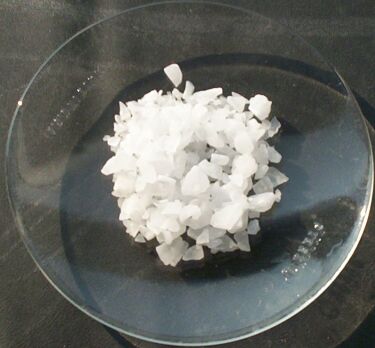

Chemical characteristics and production
The substance contains aluminium cations and sulfate anions. It is typically produced by treating aluminium oxide or bauxite with sulfuric acid to convert the oxide to the sulfate form. For more technical specifications and data sheets see detailed chemical information. The basic reactants include aluminium oxide (Al2O3) and sulfuric acid (H2SO4), and the final product may be isolated in several hydrated states depending on conditions.
Uses and applications
Aluminium sulfate has a range of industrial and domestic uses because it acts as a coagulant, mordant and pH modifier. Typical applications include:
- Water treatment: It is widely used to coagulate suspended particles so they can be removed in drinking-water and wastewater plants.
- Paper and textiles: It serves as a sizing agent and mordant in paper manufacturing and fabric processing; see industry references at paper manufacturing.
- Food and personal care: Certain aluminium salts are used in some baking-powder formulations (baking powder) and aluminum compounds are present in some antiperspirants and deodorants (deodorants), though formulations vary by product.
- Gardening and pest control: It is sometimes used to lower soil pH for acid-loving plants and has been marketed in products such as slug-control treatments (slug control), although alternatives are common.
History and notable distinctions
Historically, alum compounds (potassium aluminum sulfate and related salts) were important in dyeing and tanning; aluminium sulfate is a related but distinct compound used for similar industrial purposes. It should not be conflated with metallic aluminium or with other aluminium salts that have different properties and regulatory profiles.
Safety and environmental considerations
In concentrated form aluminium sulfate is acidic and can be an irritant to skin, eyes and the respiratory tract; dilute aqueous solutions are routinely handled in industrial settings with protective equipment. When released to the environment in large amounts, elevated aluminium levels can be harmful to aquatic organisms and can alter soil chemistry. Disposal and use should follow local regulations and safety data sheets.
For further technical guidance or regulatory details consult specialist sources and product datasheets supplied by manufacturers and regulatory agencies.
Tags
Related articles
Author
AlegsaOnline.com Aluminium sulfate (Al2(SO4)3): properties, production and uses Leandro Alegsa
URL: https://en.alegsaonline.com/art/3124