
Cryolite (Na3AlF6): mineral properties and role in aluminium production
Cryolite (Na3AlF6) is a rare fluoride mineral, historically mined in Greenland and now mainly synthesized. It serves as the principal flux in the Hall–Héroult aluminium smelting process and has niche industrial uses.
Overview
Cryolite is a naturally occurring fluoride mineral with the idealized chemical formula Na3AlF6, commonly called sodium aluminium fluoride or sodium hexafluoroaluminate. The name cryolite is derived from Greek roots meaning "ice stone," reflecting its glassy, often colorless to white appearance. Natural cryolite is uncommon; most material used in modern industry is produced synthetically.
Image gallery
4 Images


Composition and physical properties
Cryolite is composed of sodium, aluminium and fluorine in a crystalline structure. It is brittle, typically low in specific gravity for a mineral, and may occur in massive to granular habits. Cryolite is largely insoluble in cold water and has a refractive index relatively close to that of water, which can make small fragments appear to vanish when immersed, an optical curiosity that has been noted since the mineral was first described.
Role in aluminium production
The best-known industrial use of cryolite is as a flux in the electrolytic production of aluminium. In the Hall–Héroult process, powdered aluminium oxide (alumina) is dissolved in molten cryolite to produce an electrolyte that is conductive and has a lower working temperature than pure alumina. Electrolytic reduction (see electrolysis) of the dissolved oxide yields metallic aluminium at the cathode while oxygen reacts at the anode. Additions of related fluoride compounds, such as aluminium fluoride or sodium fluoride, are sometimes used to adjust the bath chemistry and operating properties.
History and deposits
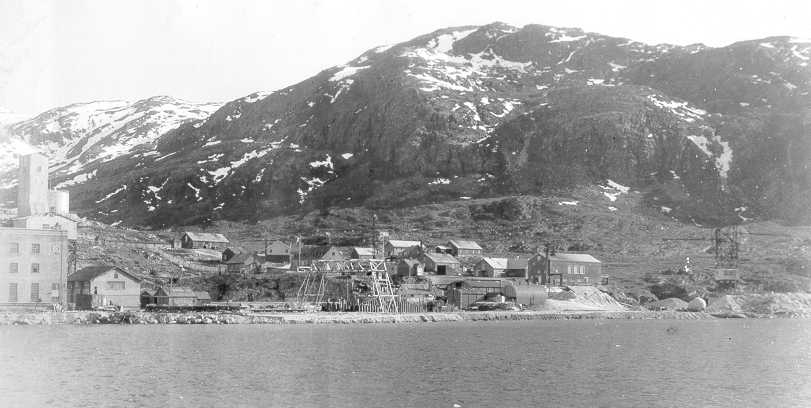
Cryolite became economically important after the development of industrial aluminium smelting in the late 19th century. The largest and historically most important natural deposit was at Ivigtût in southwestern Greenland, which supplied the world for many decades. That deposit was eventually exhausted by mining, and natural cryolite is no longer a significant commercial source.
Modern production and substitutes
Because natural ore is scarce, cryolite used today is typically produced by chemical synthesis from fluoride-bearing raw materials or manufactured from minerals such as fluorite (fluorspar) through industrial conversion routes. In aluminium smelting, operators may use synthetic sodium aluminium fluoride or tailored mixtures of cryolite with added fluoride salts to achieve desired melting points and conductivity.
Other uses, handling and safety
- Secondary uses: small quantities have been used historically as a flux in glassmaking, enamel and certain metallurgical processes to aid melting and wetting.
- Handling: as with many fluoride compounds, cryolite and related materials require appropriate handling and industrial hygiene measures because fluoride exposure can be hazardous in concentrated form.
- Legacy: the transition from a mined ore to synthesized cryolite is an example of how modern chemistry can replace scarce natural resources to sustain large-scale industrial processes.
Related articles
Author
AlegsaOnline.com Cryolite (Na3AlF6): mineral properties and role in aluminium production Leandro Alegsa
URL: https://en.alegsaonline.com/art/24443