
Edinburgh Airport — overview, operations, transport and history
Edinburgh Airport (IATA: EDI) is Scotland's busiest airport, serving domestic and international routes. This article covers its facilities, transport links, airlines, history, ownership and role in the region.
Edinburgh Airport (IATA: EDI, ICAO: EGPH) is the principal civil airport serving Scotland's capital city. Located to the west of the city, it functions as a major hub for scheduled and low-cost carriers, handling both short-haul European services and longer routes. The facility serves millions of passengers each year and acts as an important gateway for tourism, business and freight for Scotland and the wider United Kingdom.
Image gallery
10 Images
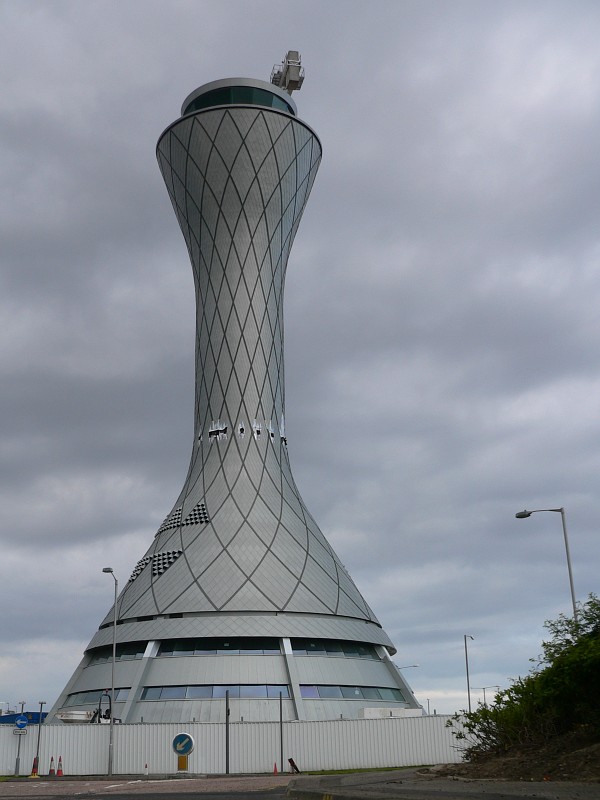


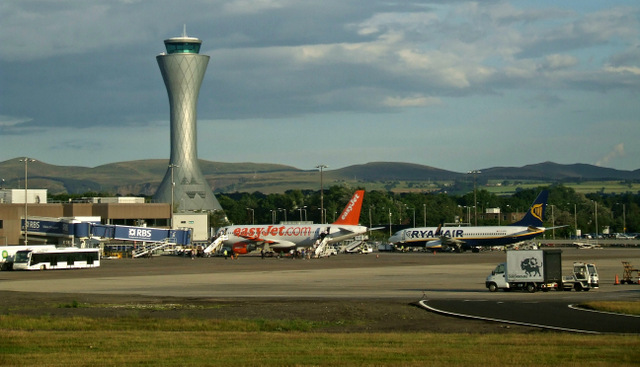
Facilities and operations
The airport is organised around a single main passenger terminal which concentrates check-in, arrivals and departures in one complex. Passenger facilities include shops, cafés, lounges and ground-handling services. Airside operations support a mix of full-service and low-cost airlines, with both domestic trunk routes to other UK airports and frequent connections across Europe.
- Codes and identity: IATA EDI, ICAO EGPH; commonly referred to as Edinburgh or Turnhouse in historical contexts. Edinburgh Airport
- Airlines: the airport is served by a broad range of carriers; examples include British Airways, easyJet and international operators such as Air France and Lufthansa. Other carriers historically operating services include regional and long-haul names like Continental Airlines and specialist Scottish operators such as Scot Airways.
Transport and access
Good surface links make the airport convenient for passengers travelling to and from the city centre and surrounding areas. Road access is direct from the city and national motorway network; an express bus runs at frequent intervals between the terminal and central Edinburgh. In earlier years a shuttle ran roughly every 10 minutes, and scheduled public services remain a primary link today (bus and coach links).
Since the 2010s the city has also developed tram and improved rail connections which integrate with the airport surface transport network. While there is no heavy rail station inside the terminal itself, onward rail links are reachable via nearby interchanges and surface transport. Taxis, private hire vehicles and organized coach services provide further options for passengers and staff.
History, ownership and development
The site originated as an aerodrome with military use before evolving into a civilian airport during the 20th century. Over time the airport expanded to meet rising passenger demand and to serve Edinburgh's growing role as a political, cultural and business centre. For many years the airport was part of a larger UK airport group; in 2011 the group announced plans to sell the airport after competition rulings required divestment to improve market choice.
Ownership and commercial arrangements have changed during the 21st century as operators and regulators responded to growth pressures and competition policy. Investment programmes have focused on increasing terminal capacity, improving passenger flows and upgrading security and retail areas to reflect modern expectations.
Importance and future
As Scotland's main international gateway, the airport supports tourism, higher education links and international business. It also plays a role in air freight and emergency services. Ongoing planning typically considers capacity increases, improved public transport integration and environmental measures to reduce noise and emissions.
For travellers and local residents the airport is a familiar part of regional infrastructure, continually adapting services and facilities to meet changing demand. For further practical information—flight schedules, airline partners and ground transport timetables—consult operator and airline sources or official passenger guides available online and at the terminal.
Nearby Scottish airports such as Glasgow and Aberdeen offer complementary services, while regional carriers link smaller centres. Historical or regulatory matters were widely reported when the airport's parent company announced a sale in October 2011; the airport's development since then has reflected both commercial investment and regulatory oversight.
Practical hints: arrive with sufficient time for security and transfers, check airline guidance for baggage and boarding, and use frequent public transport links or authorized taxis for a reliable journey to central Edinburgh. For specific airline information see carriers such as British Airways, easyJet, Continental Airlines, Air France and Lufthansa, or consult official airport pages and timetables at the airport information service.
Related articles
Author
AlegsaOnline.com Edinburgh Airport — overview, operations, transport and history Leandro Alegsa
URL: https://en.alegsaonline.com/art/30137
Sources
- nats-uk.ead-it.com : "NATS – AIS – Home" · web.archive.org
- caa.co.uk : "Aircraft and passenger traffic data from UK airports"
- worldairportguide.com : worldairportguide.com/airport/318/airport_guide/Europe/Edinburgh-Airport.html
- heathrow.com : "Heathrow: Corporate site - Our company, your airport"
- aviation-safety.net : aviation-safety.net/asndb/323332