
River Forth (Scotland)
The River Forth rises in Loch Ard and flows east through Stirling to become the Firth of Forth estuary near Edinburgh; important historically, ecologically and for transport and bridges.
Overview
The River Forth is a central Scottish river that begins in the hills of the Trossachs and runs eastward to the North Sea via the wide Firth of Forth. It is closely associated with the city of Stirling along its upper reaches and with Edinburgh, which lies on the southern shore of the estuary. The river’s catchment links upland freshwater lochs and glacially carved valleys to a tidal estuary that opens into the Firth of Forth Firth and wider coastal waters.
Image gallery
6 Images



Source, course and physical features
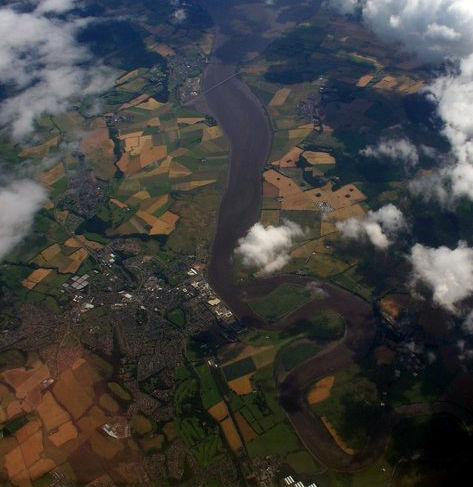
The Forth rises at Loch Ard near Kinlochard and flows through varied landscapes: wooded glens, agricultural lowlands and urban areas. Its lower reaches broaden into estuarine waters where the river mixes with the sea, creating sheltered bays, mudflats and tidal channels characteristic of an estuary estuary. The river system includes several tributaries and a network of wetlands formed after the last Ice Age.

Crossings, bridges and infrastructure
The Forth has long been a major barrier and a focus for bridge engineering. Historic and modern crossings span the estuary and river, reflecting advances in transport. Notable structures include the famous Victorian cantilever railway bridge and later road crossings.
- Forth railway bridge — the iconic iron cantilever structure that carries rail traffic across the estuary.
- Adjacent road bridges and modern crossings — a sequence of road links that handle vehicular traffic and relieve older routes.

History, economy and human use
The river corridor has been important for settlement, defense and trade for centuries. Stirling’s position near a major crossing made it strategically significant in medieval and later times. Along the lower Forth, ports and docks have supported shipping, fishing and industry; transport links across the estuary remain vital for commuters and freight.
Ecology, recreation and notable facts
The tidal Firth supports a mix of habitats: mudflats, salt marshes and shallow bays that attract waders, wildfowl and migrating birds. Marine mammals such as seals are sometimes seen near the estuary mouth. The river and its banks are also used for recreation — boating, angling, walking and birdwatching — and for cultural activities that celebrate the landscape and engineering landmarks.
Further reading
For more on the river’s setting and infrastructure see general information on Scotland and sources covering the Forth’s bridges and estuary ecology. Local histories and navigation guides provide detailed accounts of crossings and the river’s role in regional development.
Related articles
Author
AlegsaOnline.com River Forth (Scotland) Leandro Alegsa
URL: https://en.alegsaonline.com/art/83104